
Shanghai · China · Visited June 2025
Steel Spires and Red Lanterns: My June Weekend in Shanghai
100% real visits · photos we took ourselves
The photos in this story were taken by the World by City team on this trip. No AI images, no stock photos. Taken June 20, 2025 – June 22, 2025 (18 photos, 18 with location data).
I arrived in Shanghai on a humid June morning, immediately feeling the scale of a city that seems to grow upward rather than outward. My goal for this short trip was to capture the tension between the hyper-modern financial districts and the remnants of traditional Chinese architecture. The weather was unpredictable, shifting from overcast skies to sudden rain, which only added to the atmospheric quality of the streets I walked. I spent my days looking up—sometimes at glass ceilings and other times at ancient eaves—trying to understand how these two worlds coexist in one urban space.
The Vertical Scale of Lujiazui
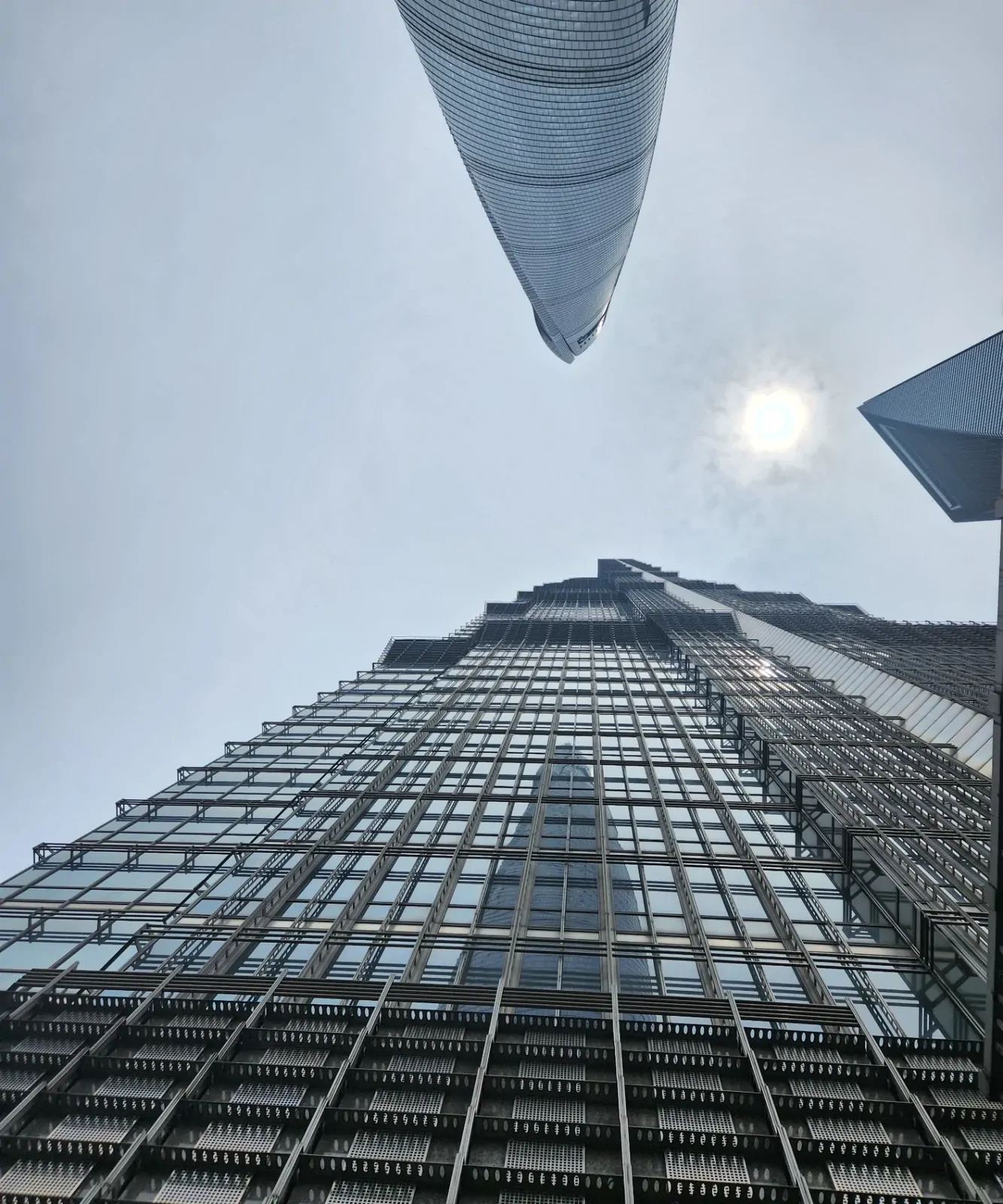
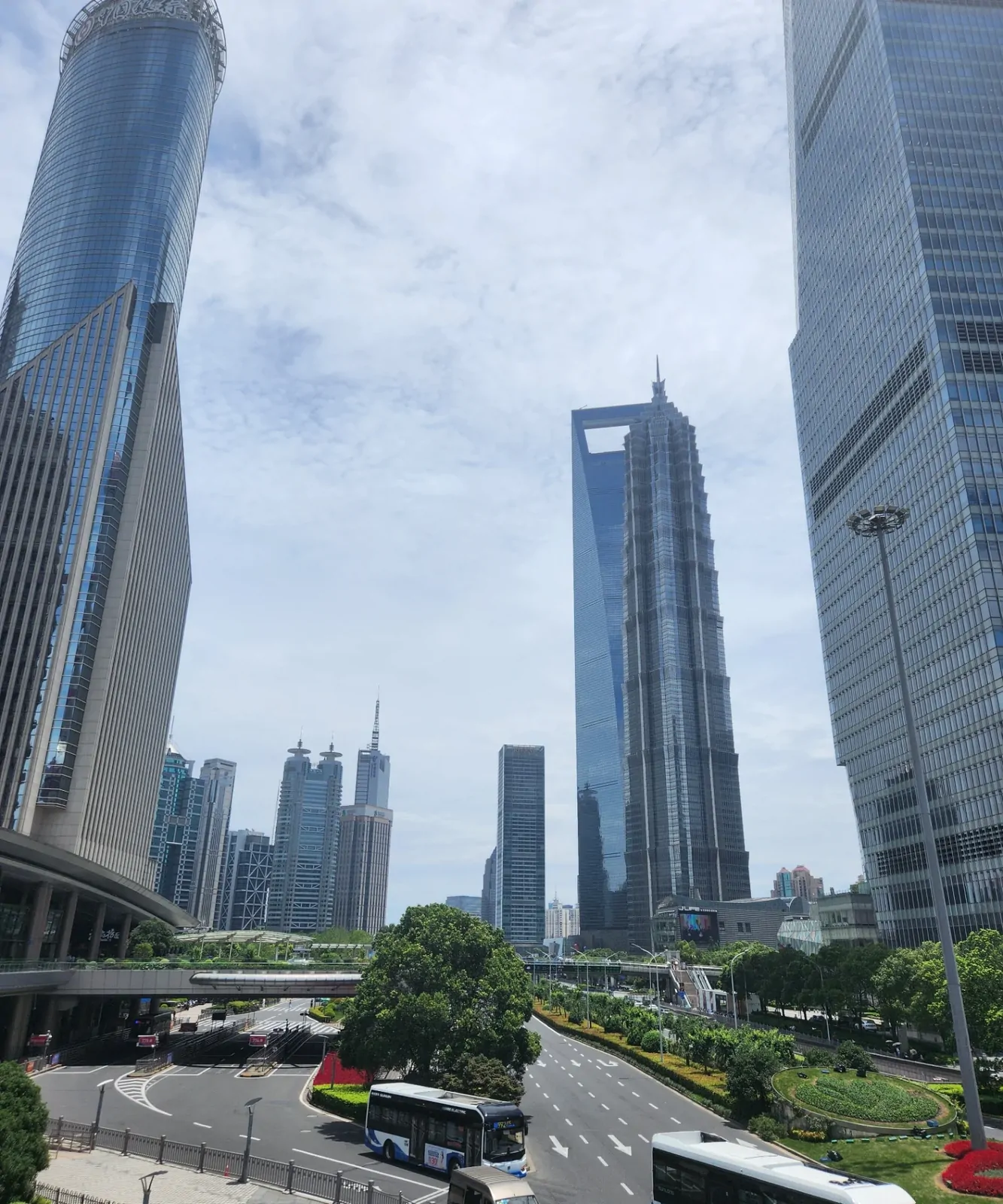
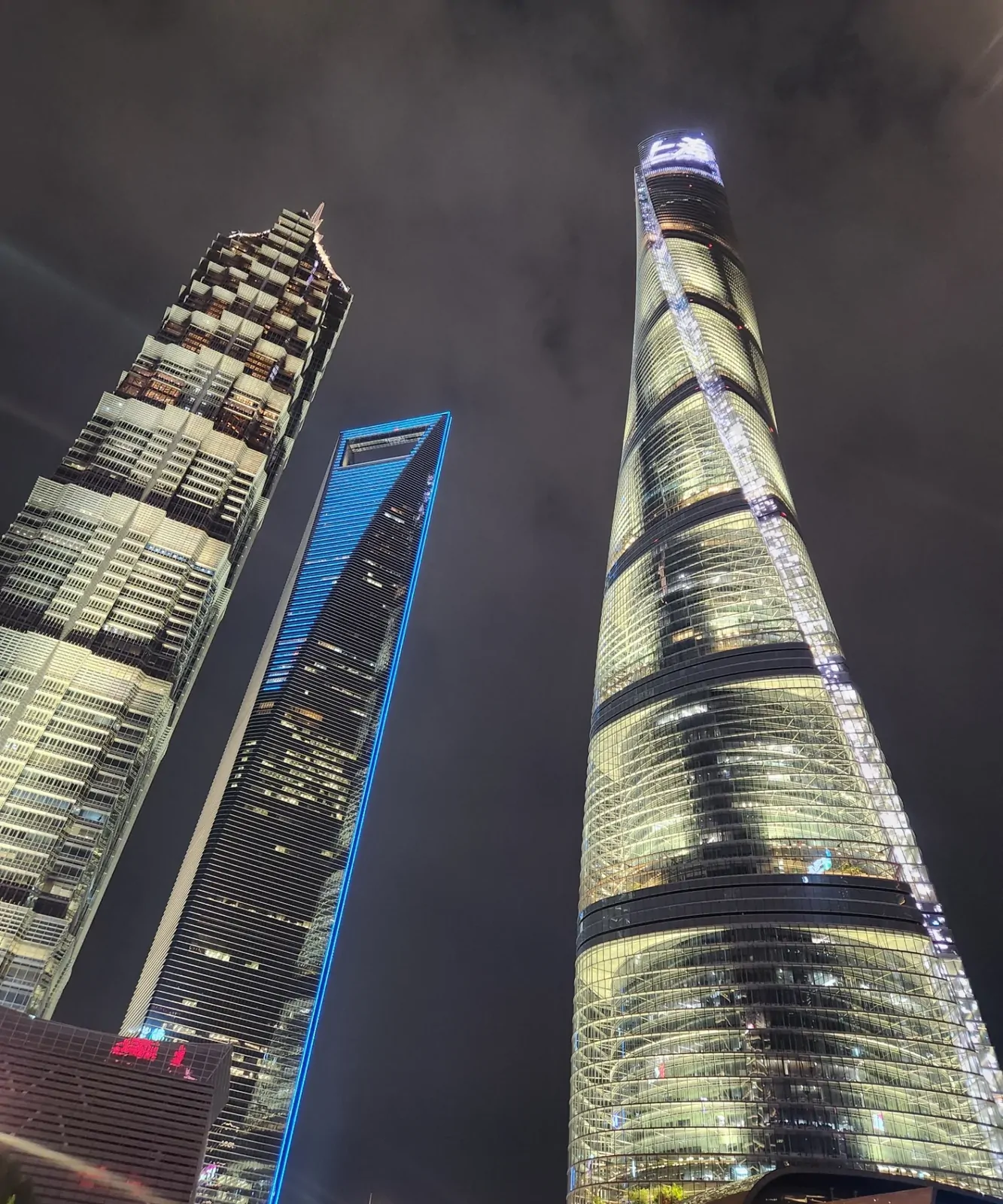
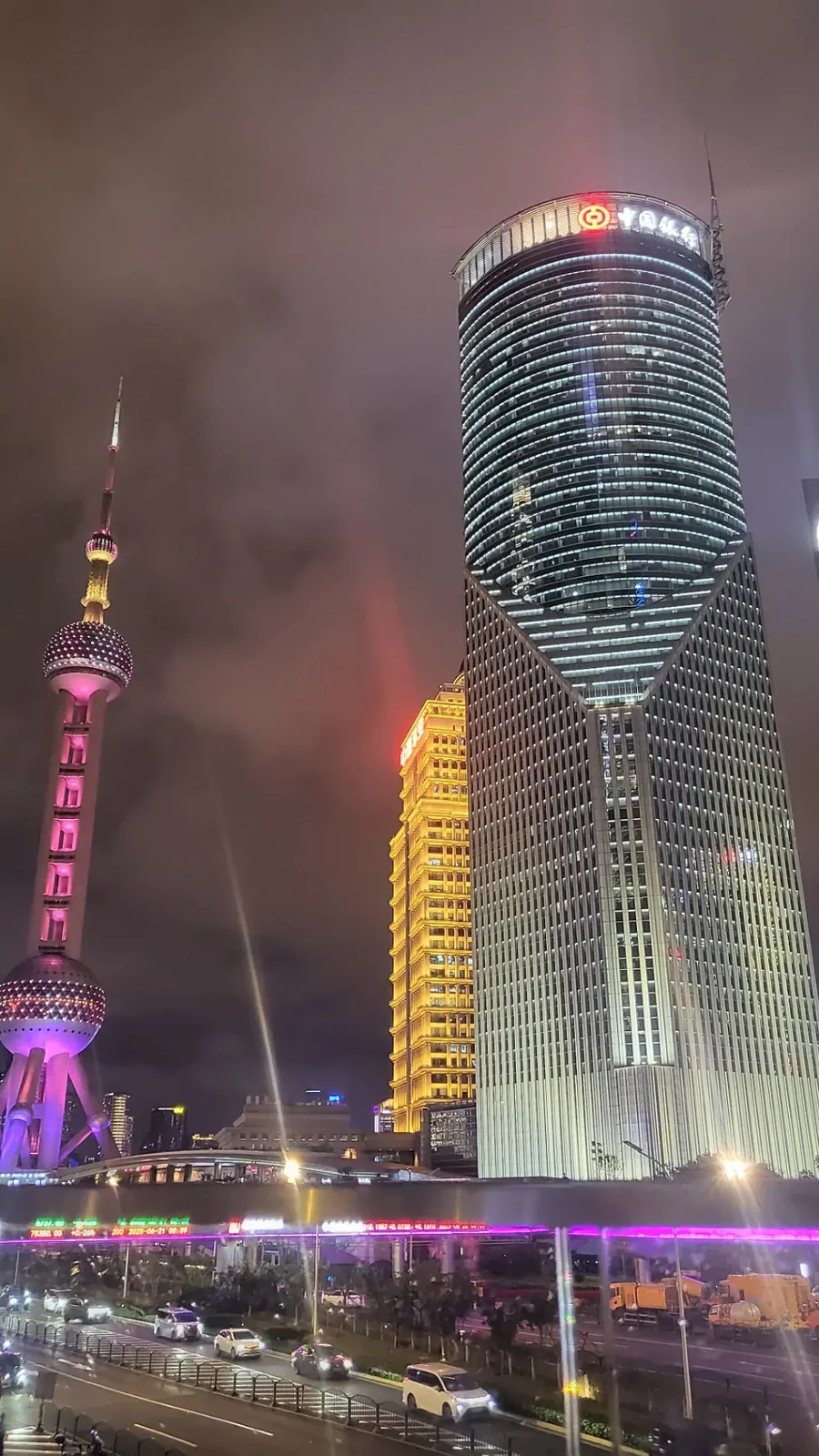
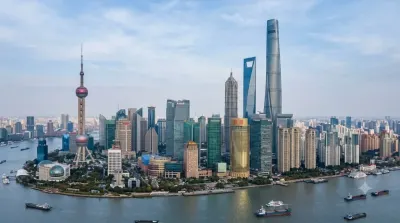
My first few hours were spent in the Lujiazui financial district, where the architecture is designed to make a person feel small. I started by standing at the base of the skyscrapers, tilting my camera upward to capture the massive glass walls and the distinct, twisting curve of the Shanghai Tower. The perspective from the ground is dizzying; the buildings don't just end, they seem to merge into the clouds. As I walked through the district, I noticed the steady flow of city buses navigating the wide roads that cut through these monoliths of steel and glass. It felt like walking through a blueprint of a future city, where every angle is sharp and every surface reflects the grey June sky.
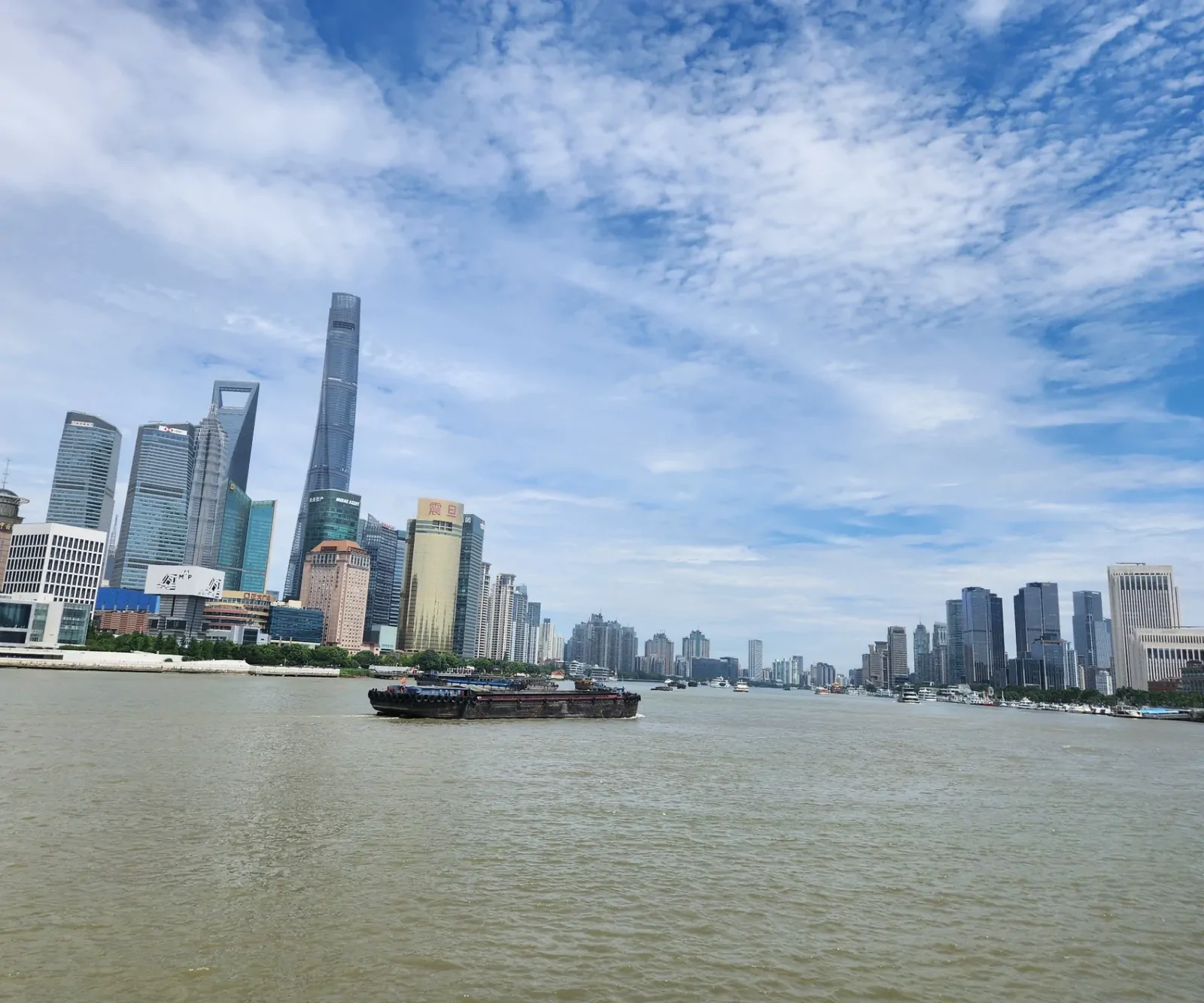
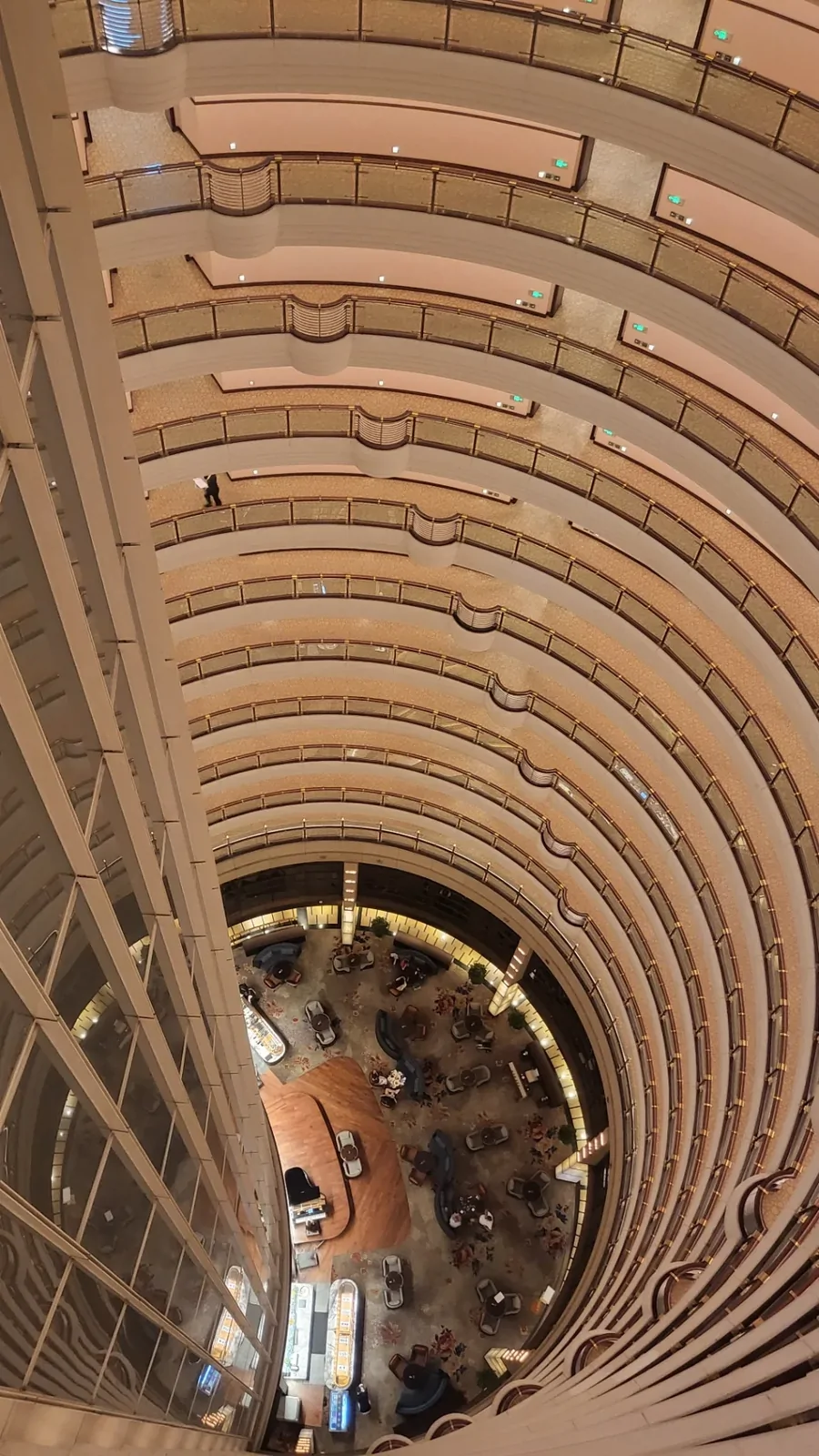
I took a detour toward the Huangpu River, where the pace felt slightly different. From the riverbank, I watched barges slowly navigate the water, providing a grounded contrast to the soaring skyline of Pudong in the background. The river acts as a natural border, separating the old energy of the city from this new, ambitious frontier. Later, I stepped inside the Jin Mao Tower, and the interior was just as impressive as the exterior. I stood in the atrium and looked down at the spiral structure, marveling at how the architectural geometry creates a sense of infinite descent. The sheer scale of the indoor space felt like a cathedral dedicated to modern engineering.
Red Lights and Ancient Eaves
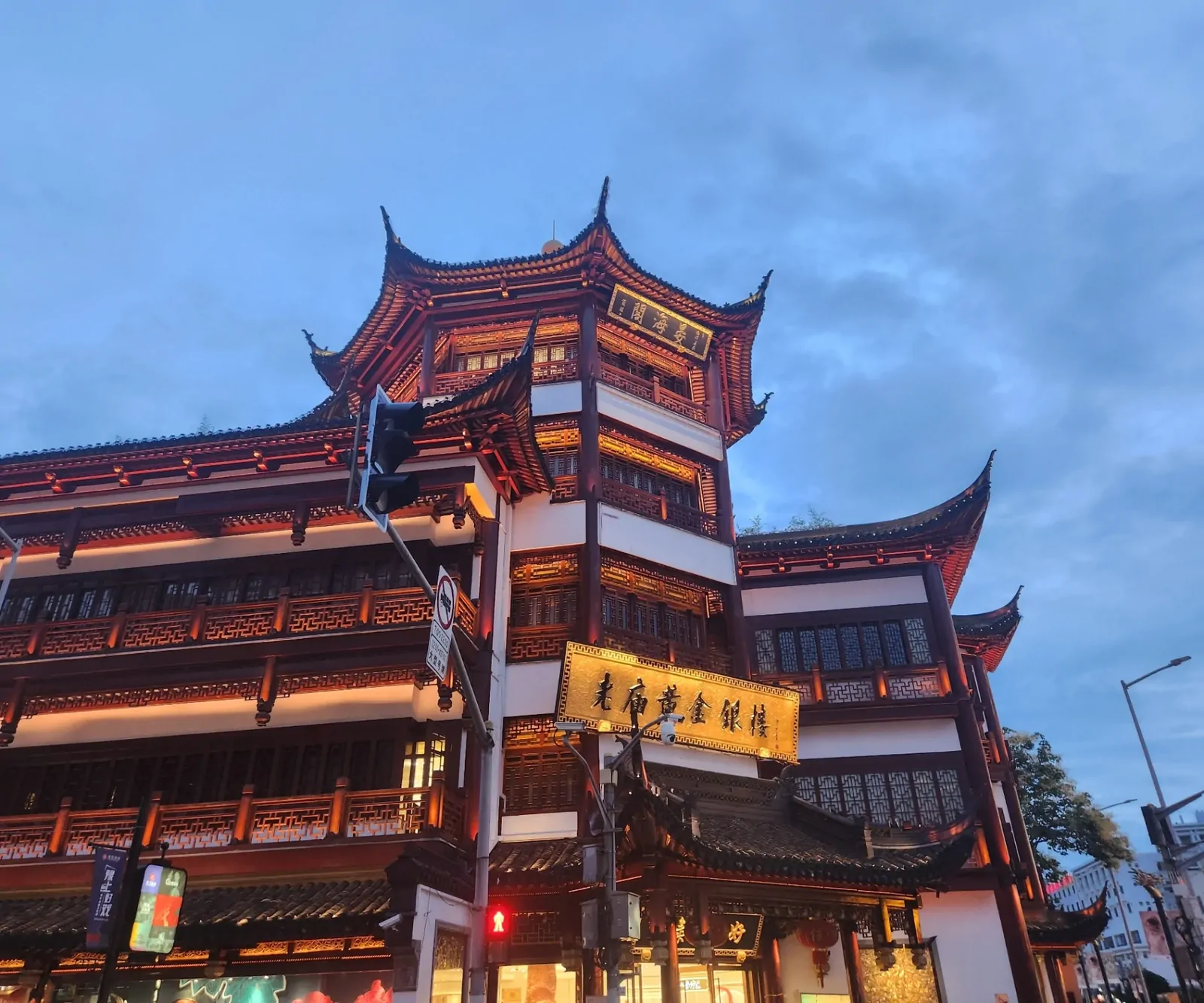
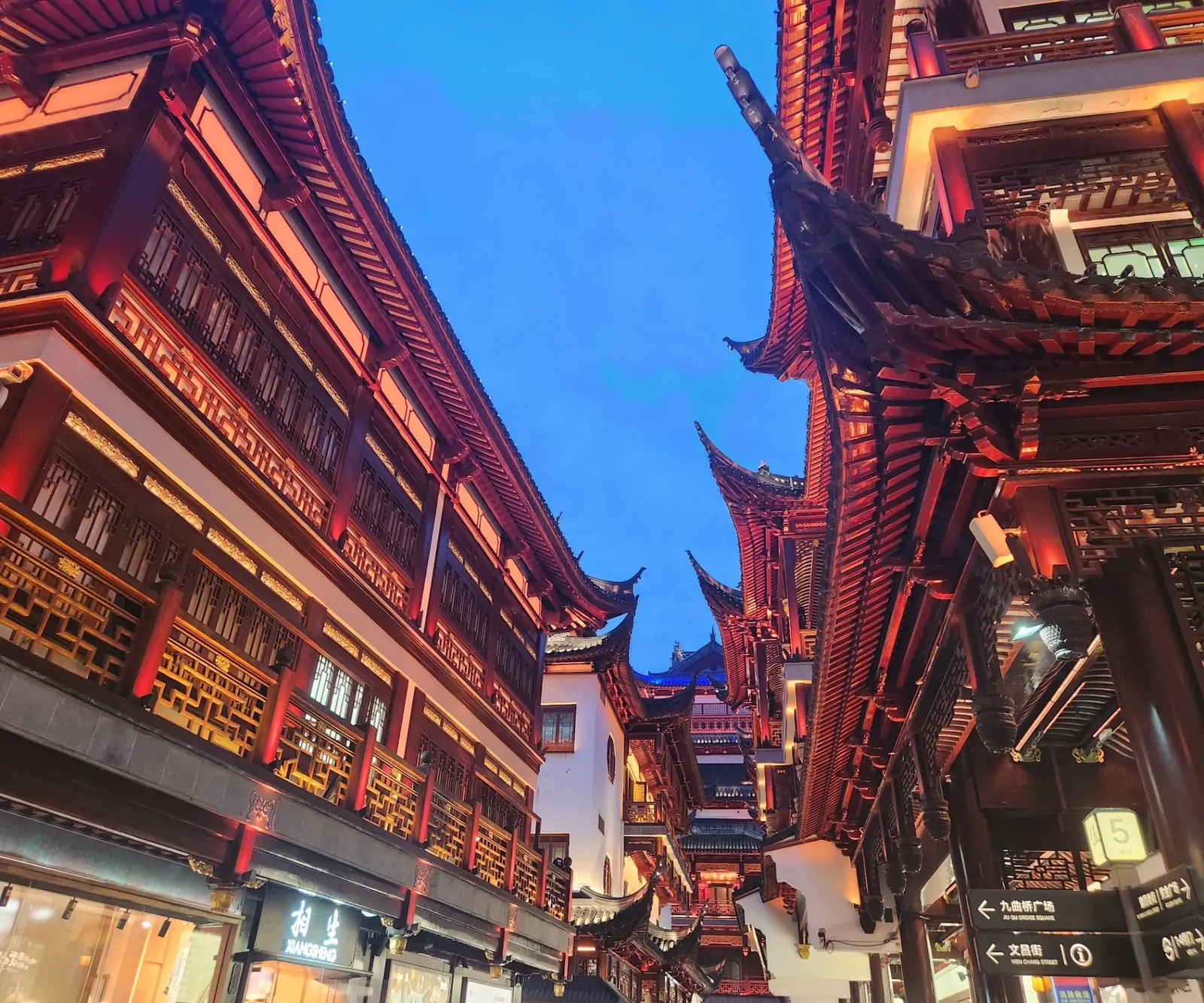
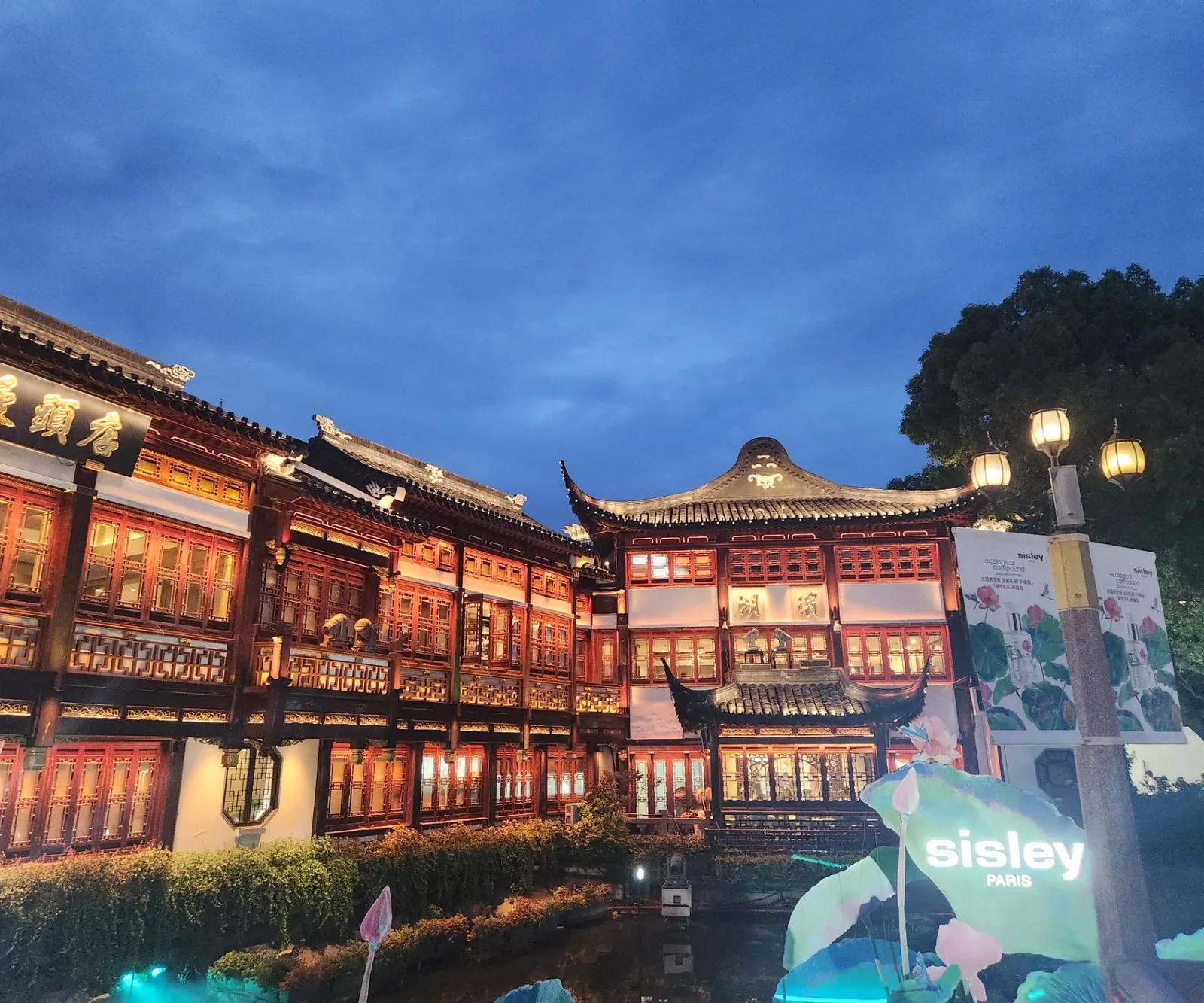
As evening approached on my first day, I moved away from the glass towers and toward the area around Yu Garden. The transition was jarring but beautiful. The grey tones of the financial district were replaced by deep reds and warm golds as the traditional Chinese pavilions began to light up. I spent a long time photographing the ornate eaves of the buildings, which were illuminated by red lights that cast long, dramatic shadows across the walkways. The architecture here is all about detail—curved rooflines and intricate woodwork that felt worlds away from the minimalism of Lujiazui.
Walking through these night streets, I felt the atmosphere shift from corporate efficiency to a more romantic, historical mood. The red lighting gave the traditional buildings an almost ethereal glow against the darkening sky. I found myself lingering near the wooden structures, capturing the way the light hit the painted beams and the tiled roofs. It was a sensory overload of color and shape, a stark reminder that Shanghai's identity is built on these layers of history. To end the night, I returned to a vantage point where I could see the Jin Mao Tower, the Shanghai World Financial Center, and the Shanghai Tower all together, their lights piercing the night sky like beacons.
Museums and Modern Flavors
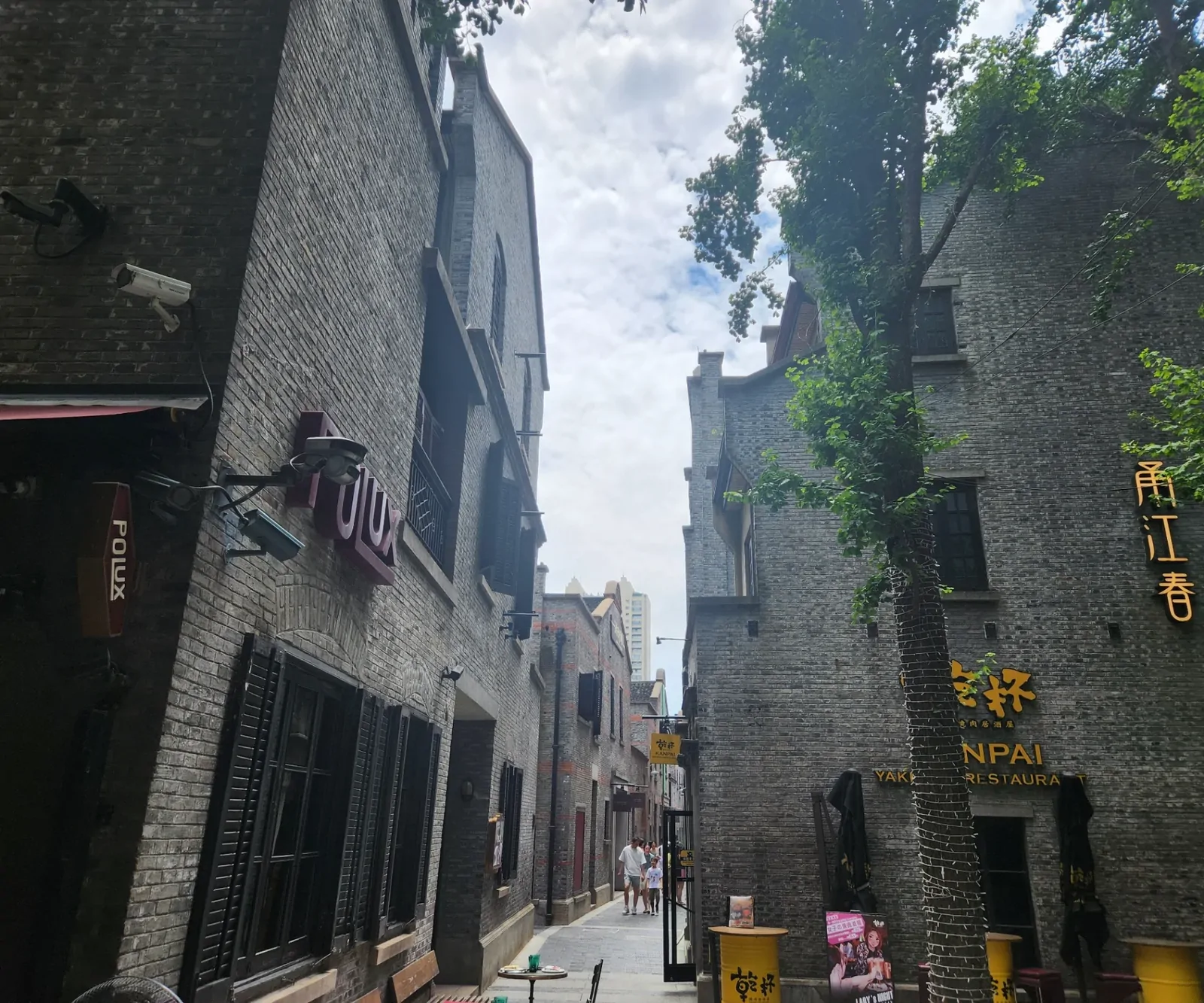
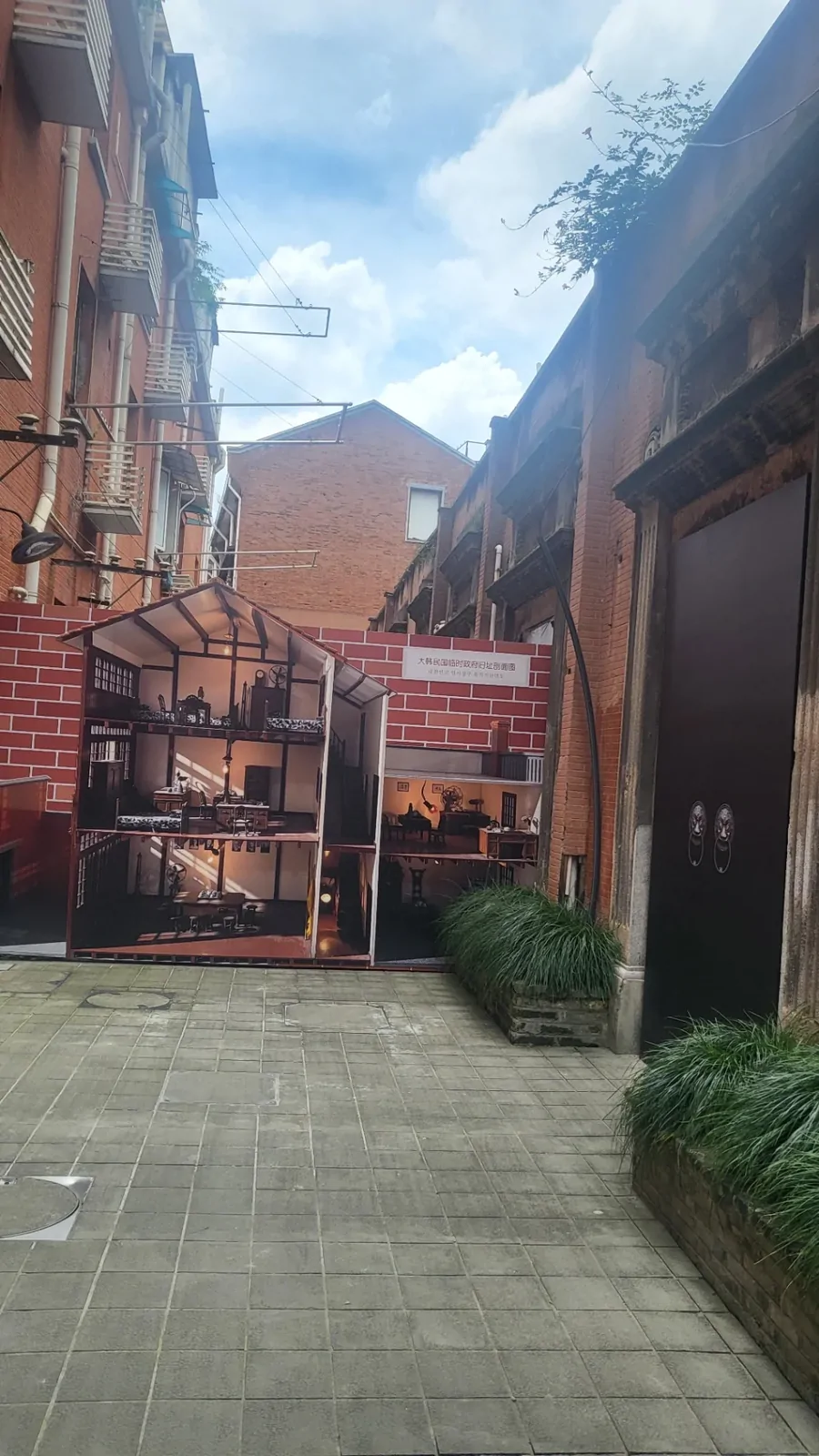
The second day took me into the quieter, more reflective parts of the city. I spent some time exploring a district with grey brick alleys and traditional commercial streets, where small cafes and restaurants operated out of old-style buildings. I noticed a peculiar house-shaped sculpture installed in one of the red-brick alleys, a small piece of modern art tucked away in a residential-feeling corner. These narrow streets offered a glimpse into a slower version of city life, far removed from the tourist crowds of the riverfront. The texture of the brick and the weathered signs gave the neighborhood a lived-in, authentic feeling.
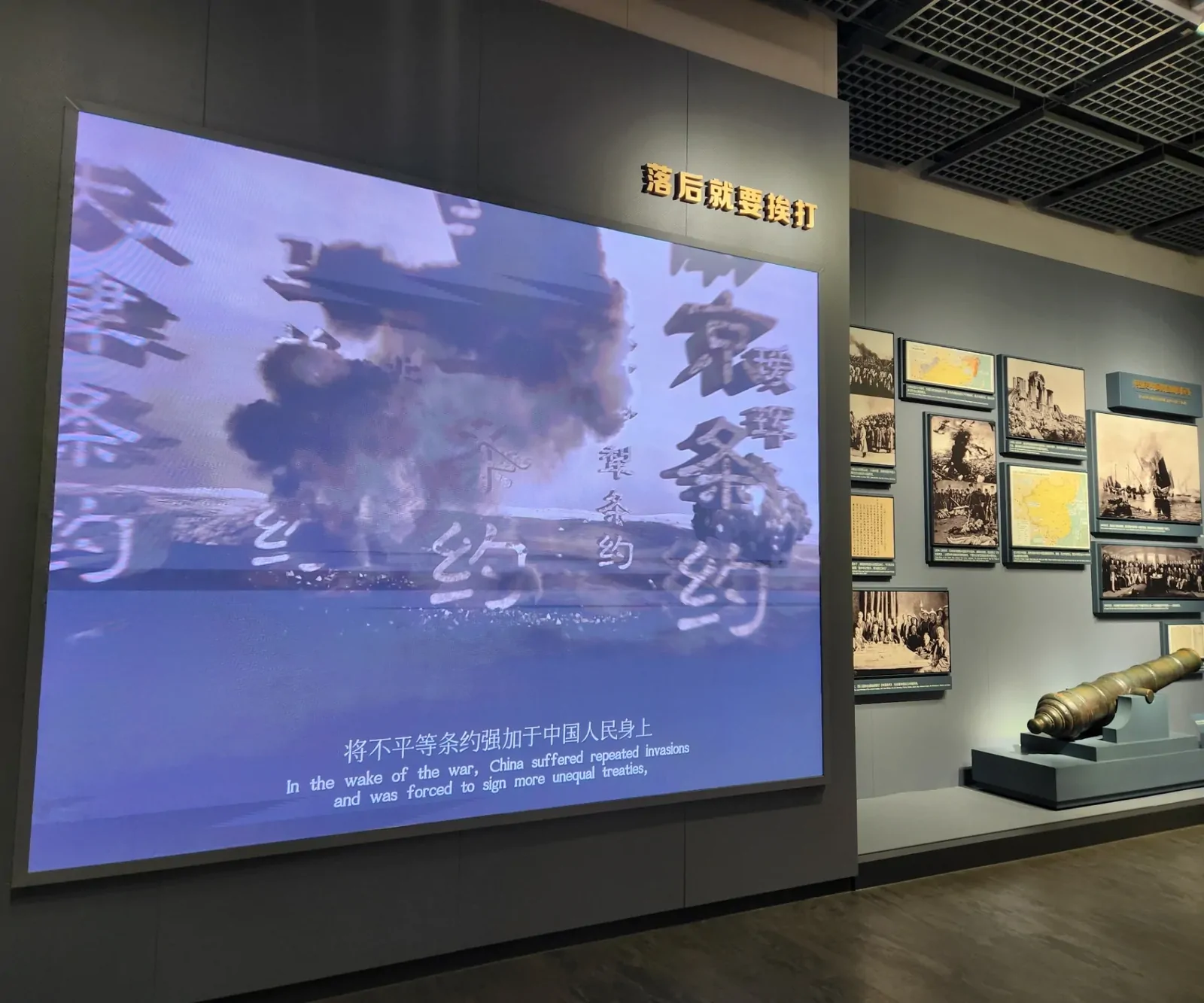
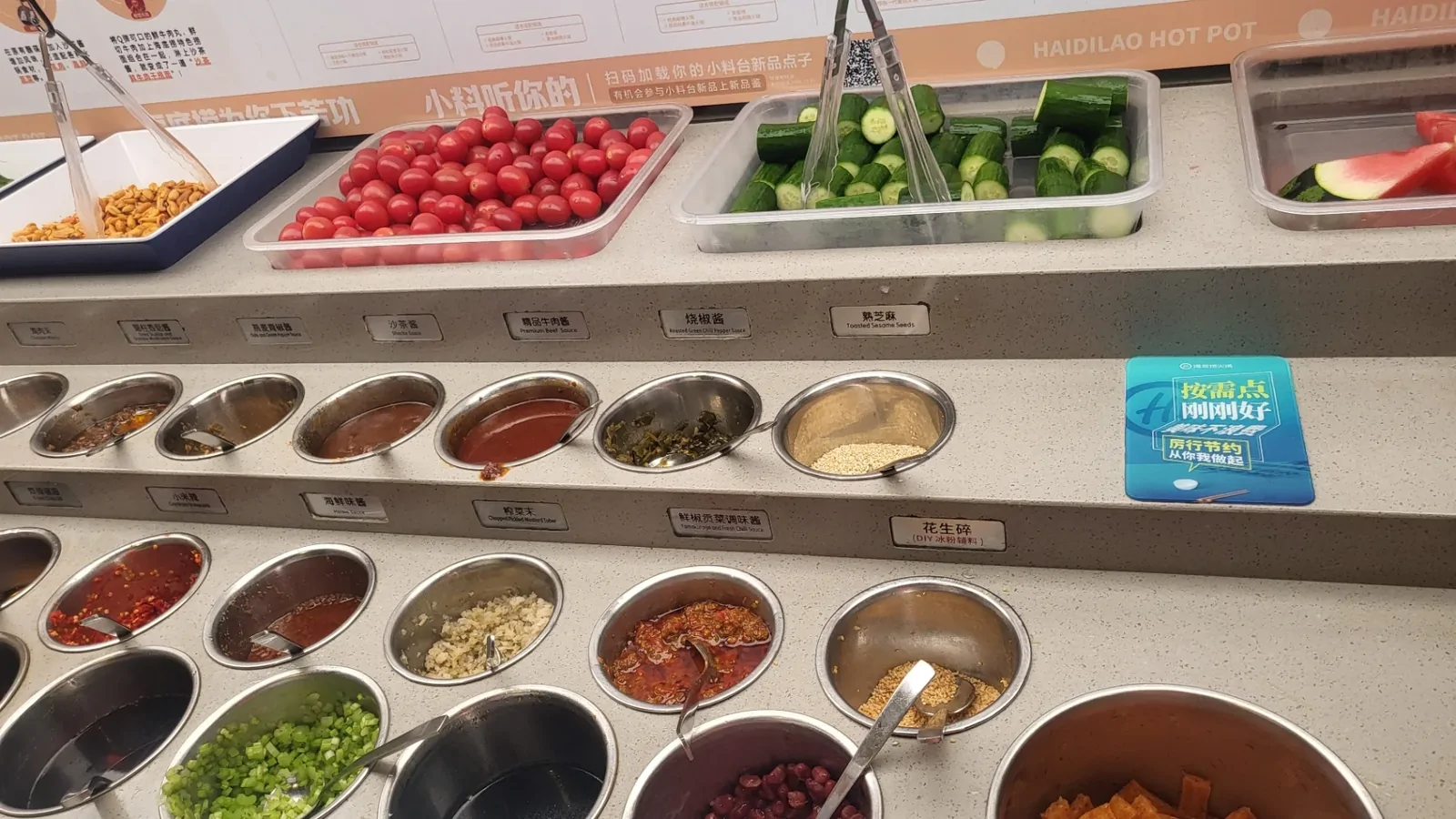
I then visited a museum dedicated to modern and contemporary history. One particular exhibit caught my attention: a large-scale video installation and a series of photo panels detailing the history of unequal treaties. The dim lighting of the gallery and the scale of the screens made the historical weight of the subject matter feel immediate and heavy. It was a necessary pause in my trip, providing a political and social context to the physical growth of the city I was photographing. After the intensity of the museum, I sought out a meal at Haidilao. I spent a good amount of time at the self-service sauce bar, photographing the array of fresh vegetables and condiments that are a hallmark of the hotpot experience.
Rainy Farewells and Blue Lights
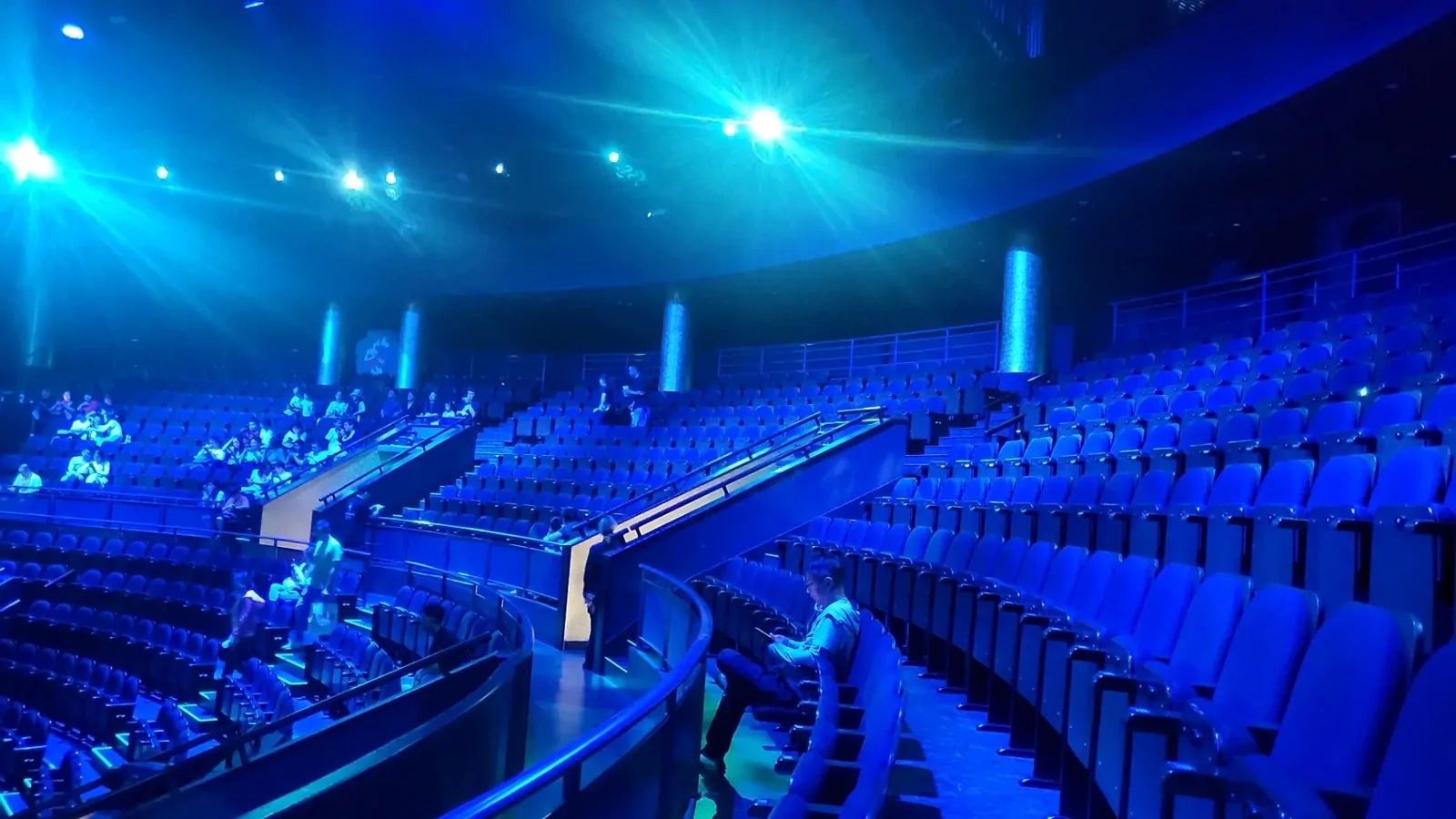
My final day began with a visit to a large performance venue. The interior was bathed in a deep, immersive blue light that transformed the space into something futuristic. I walked through the empty curved seating areas, observing the stage lights as they prepared for an upcoming show. The contrast between the blue artificial light and the silence of the empty hall created a serene, almost underwater feeling. It was a striking architectural experience, focusing on flow and light rather than the rigid lines of the skyscrapers I had seen on my first day.
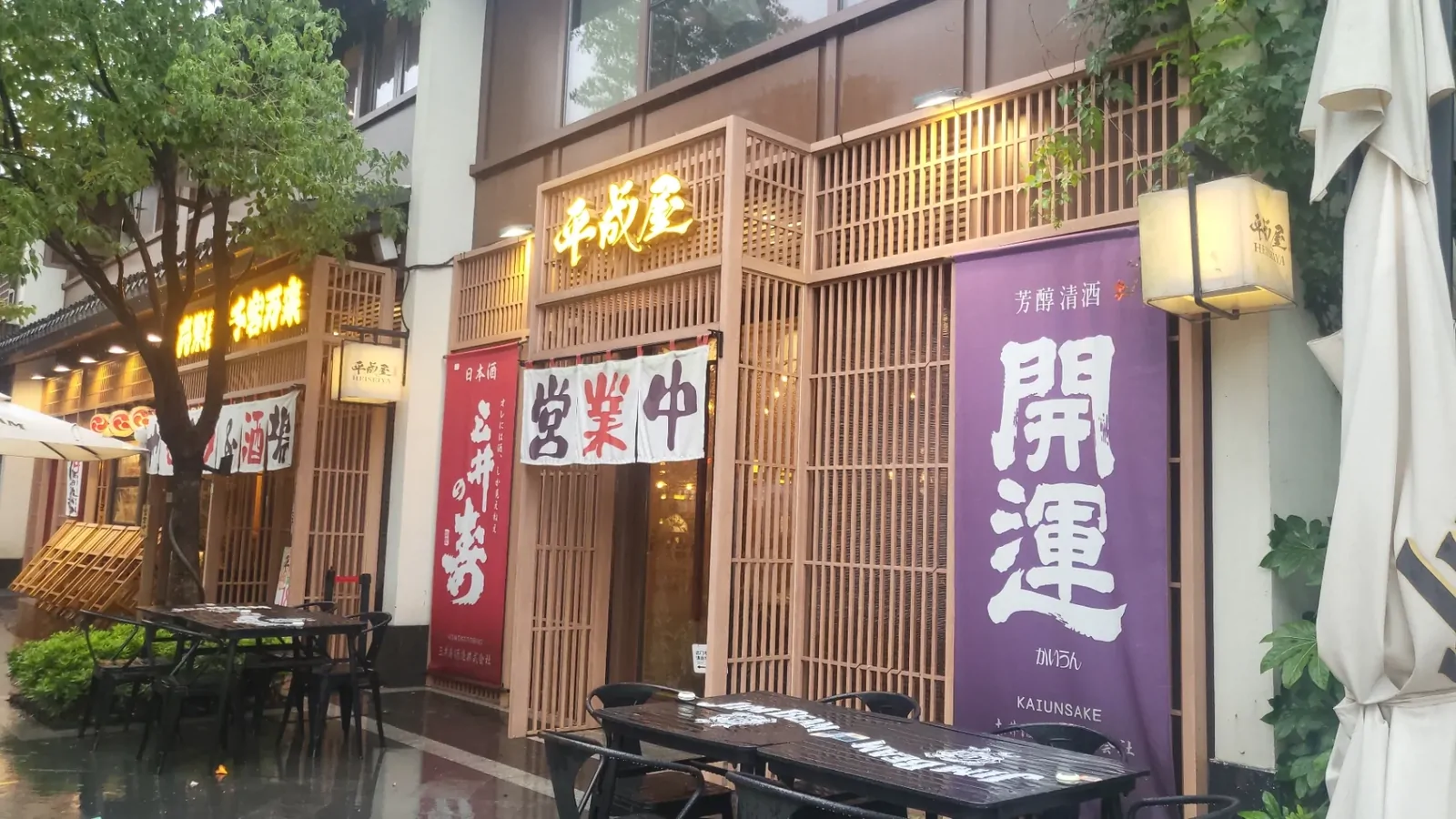
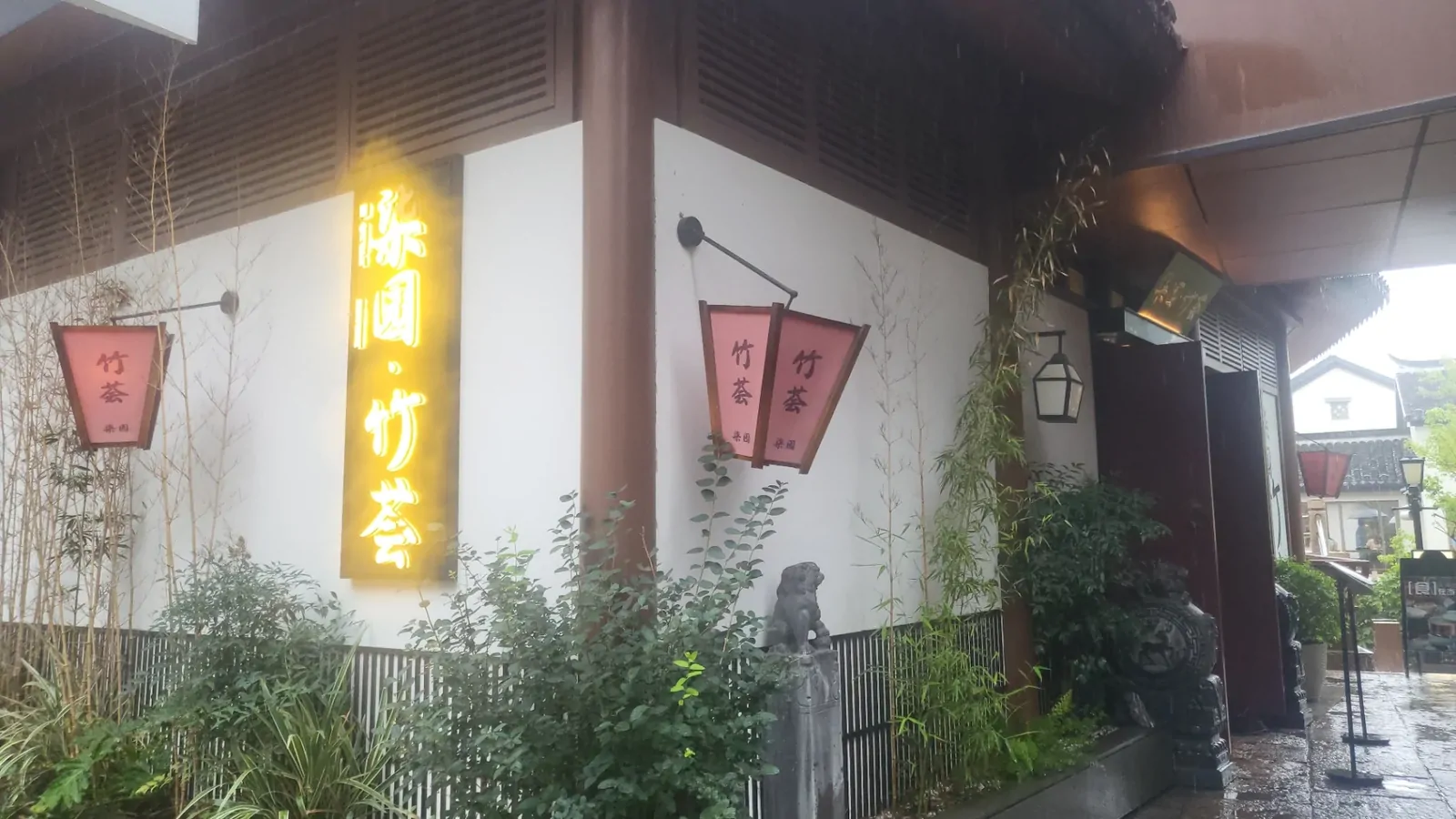
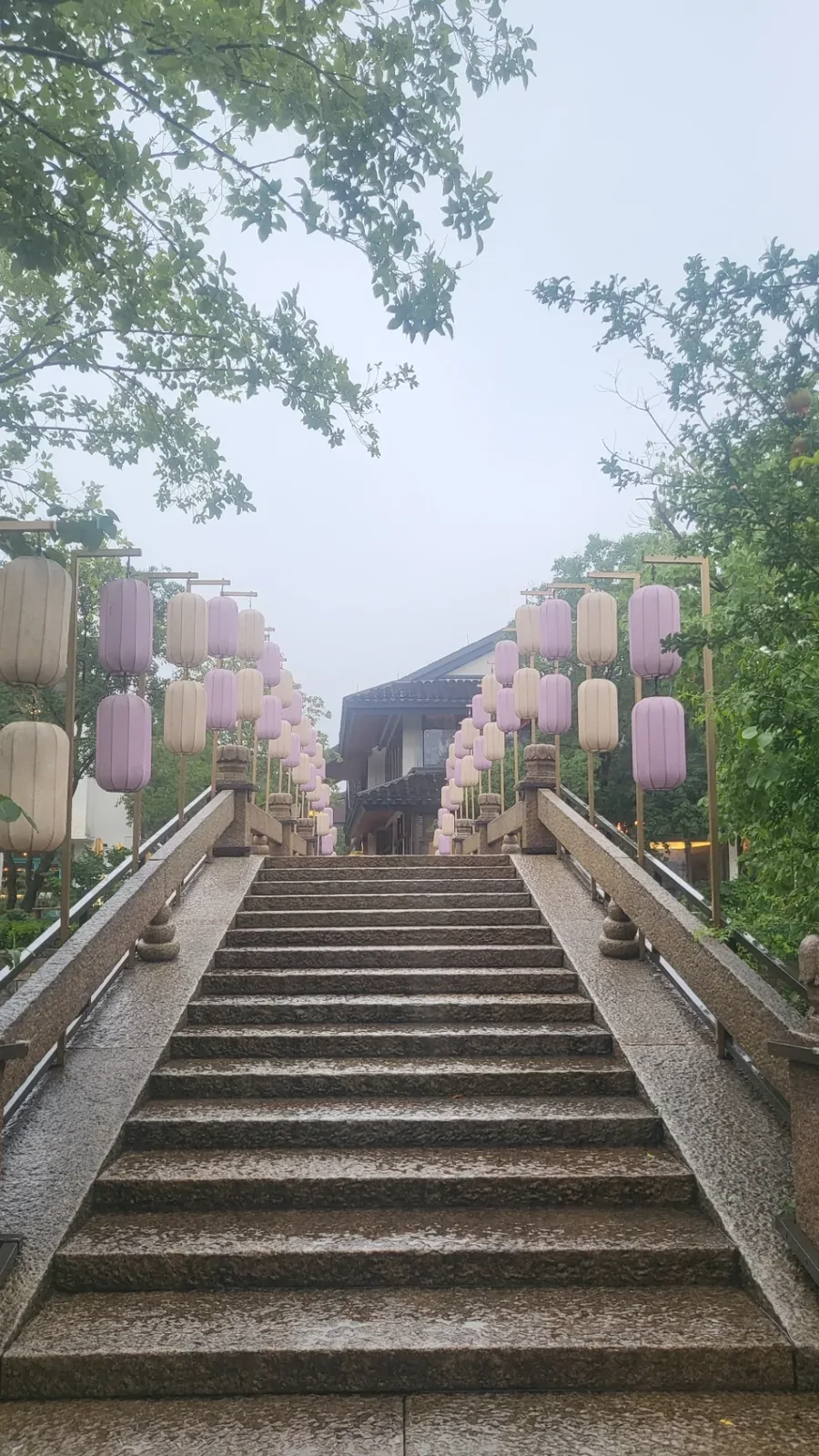
The weather turned as I headed out for my final walk, and a steady rain began to fall. I stumbled upon a street designed with a Japanese aesthetic, where izakayas lined the road. I watched the rain fall on the 'noren' curtains hanging at the entrances of the restaurants, some open for business and some closed. The glow of the Japanese-style signs reflected off the wet pavement, creating a shimmering, melancholic atmosphere. My trip ended at a temple, where I climbed a set of stone stairs under a canopy of pastel-colored lanterns. The fog had rolled in, blurring the lines of the temple architecture and making the lanterns look like floating lanterns in a dream. It was a quiet, damp, and peaceful conclusion to a whirlwind weekend.
Reflections on the Journey
Looking back at my photos, the most striking thing is the color palette of the trip: the sterile silver of the towers, the aggressive red of the traditional districts, and the moody blue of the rain and the theater. If I were to do this trip again, I would spend more time in the residential alleys and less time in the crowded financial hubs. While the skyscrapers are impressive, the real soul of the city seemed to be in the rainy side-streets and the quiet museum halls. I also realized that the rain, while inconvenient, provided the most atmospheric photos of the entire trip, turning a simple walk into a cinematic experience.
17 photos
Pick your dates — we'll search Shanghai hotels for you
Choose dates and guests, and the buttons below will open search results with your criteria. Prices differ between sites, so compare before you book.
 View on Agoda
 View on Booking.com
 View on Hotels.com
Things to see in Shanghai
See all →
Views & landmarks
Shanghai World Financial Center
A 494-meter skyscraper in Shanghai's Pudong New Area, a landmark that defines the city's skyline. Its observation deck offers a sweeping view of the entire city.
Views & landmarks
Shanghai Tower
A towering skyscraper in Shanghai's Pudong New Area, standing 632 meters tall with 128 floors. From this world-class high-rise, visitors can look down over Shanghai's skyline.
Views & landmarks
Jin Mao Tower
Jin Mao Tower is a skyscraper in Lujiazui, Pudong, Shanghai, standing 421 meters tall with 88 floors. Completed in 1998, it offers sweeping views over the city center.
Museums & galleries
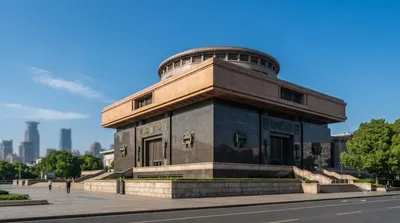
Shanghai Museum
The Shanghai Museum, near People's Square, is the city's leading museum and easy to reach from downtown. It's a great place to see Shanghai's premier collection.
More visit stories
 Real visit
18 photos
Kota Kinabalu ·March 2025 – May 2025
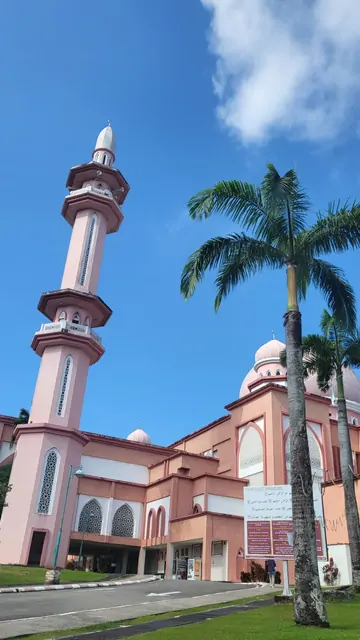
Between Azure Waters and Crimson Skies: My Time in Kota Kinabalu
A personal journey through the mosques, island resorts, and dramatic sunsets of Sabah, Malaysia, captured over two visits.
W World by City Editorial
 Real visit
18 photos
Amsterdam ·January 2026
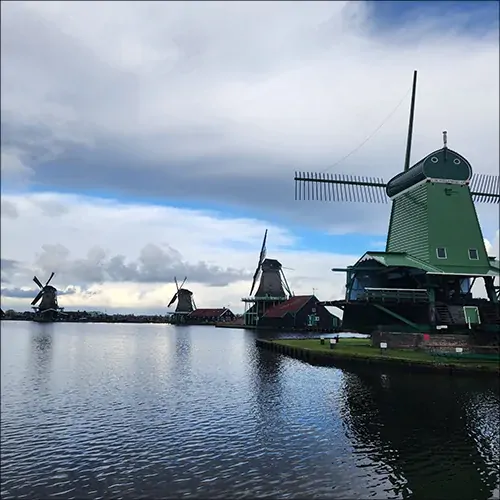
Winter Light and Brick Alleys: My Four Days in Amsterdam
A personal journey through the quiet canals, golden-framed galleries, and windy windmills of Amsterdam in early January.
W World by City Editorial
 Real visit
18 photos
Busan ·October 2023 – March 2025
Between the Cliffs and the Skyline: My Busan Returns
A journey through Busan's rugged coastlines, from autumn seafood feasts to the grey, moody shores of a winter return.
W World by City Editorial
 Real visit
17 photos
Seoul ·November 2024 – June 2026
A Long Season of Seoul: From Winter Lights to Retro Alleys
A personal journey through Seoul and its surroundings, capturing the shift from winter snows to the nostalgia of retro exhibitions.
W World by City Editorial
Have you been to this city?
Share your visit story with photos you took yourself. Once checked, it goes into the Magazine.
Share your visit story