
Boston · Getting around
How to navigate public transport and travel in Boston
August 29, 2026 · last updated · about 4 min read
Modes of Transport
Boston is a compact city where walking is often the most efficient way to move between historic sites. However, for longer distances, the MBTA (Massachusetts Bay Transportation Authority), known locally as "The T," is the primary system.
- The Subway (The T): Best for crossing the city quickly. The Red, Orange, Blue, and Green lines connect major hubs like South Station, Copley, and the Seaport.
- Walking: Ideal for the Freedom Trail, Beacon Hill, and the North End, where narrow streets make vehicles impractical.
- Rideshare/Taxis: Useful for late-night travel or trips to the outskirts, though traffic in the downtown core can be severe.
- Water Taxi: A practical alternative for reaching the Seaport District or avoiding bridge traffic.
Passes and Tickets
The CharlieCard is the standard fare payment system. A reusable plastic card is recommended for those staying several days to avoid the hassle of individual tickets. A 7-day pass is generally suitable for tourists visiting multiple neighborhoods, while single-trip tickets suffice for those staying in a single area who primarily walk.
From Logan International Airport (BOS) to City Center
- Silver Line (SL1): A bus rapid transit option that is often the most direct route to South Station. It is low-cost and avoids some city traffic.
- Blue Line: Requires a shuttle bus from the terminal to the airport station. Best for those heading to the waterfront or downtown.
- Rideshare/Taxi: Highest cost and effort during peak hours due to airport congestion, but provides door-to-door service for those with heavy luggage.
Practical Notes
- Rush Hours: Avoid the downtown tunnels between 7:00 AM–9:00 AM and 4:00 PM–6:00 PM.
- Accessibility: Not all older subway stations are fully accessible. Travelers with mobility needs should check the MBTA accessibility map.
- Luggage: Large suitcases are permitted on the T, but avoid peak commute times to ensure space.
- Last Services: Subway lines typically run until shortly after midnight; check schedules for weekend variations.
Pick your dates — we'll search Boston hotels for you
Choose dates and guests, and the buttons below will open search results with your criteria. Prices differ between sites, so compare before you book.
 View on Booking.com
 View on Hotels.com
Things to see in Boston
See all →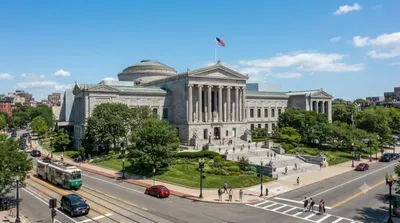
Museums & galleries
Museum of Fine Arts Boston
Boston's leading art museum, ranked alongside New York's Metropolitan Museum of Art and the Art Institute of Chicago as one of the three great American art museums. It's a wonderful place to spend a relaxed afternoon taking in its vast collection.
Attraction
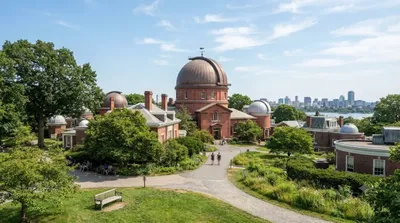
Harvard College Observatory
An astronomical research facility in Cambridge, Massachusetts, founded in 1839 with a long history behind it. It's a great stop to add while touring the Harvard campus.
Museums & galleries
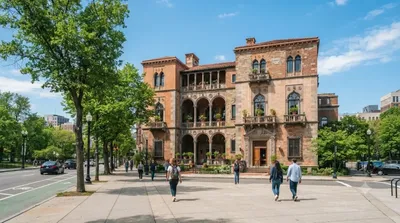
Isabella Stewart Gardner Museum
The Isabella Stewart Gardner Museum in Boston houses paintings, sculptures, and tapestries from Europe, Asia, and the Americas. Per the founder's wishes, the collection is always displayed in the same arrangement, which is part of what makes a visit special.
Attraction
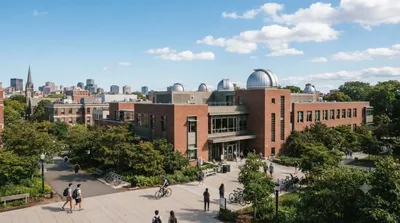
Harvard–Smithsonian Center for Astrophysics
An astrophysics research institute in Cambridge, near Boston, known for leading world-class space observation projects such as the Chandra X-ray Observatory. It's a great stop for anyone interested in the history of astronomy.
More Boston guides
Best value
Where to find the best value accommodations in Boston
5-star & luxury
Where to stay in Boston for a luxury experience
Pool villas & resorts
Where to find luxury resorts and pool villas in Boston
Family travel
Where to stay in Boston for a family trip
Couples & honeymoon
Where to stay in Boston for a romantic getaway or honeymoon
Central & near stations
Where to stay in Boston for central access and transport convenience
Best time to visit
When is the best time to visit Boston, Massachusetts?
First-time guide
How to plan your first visit to Boston
Getting around guides for other destinations
Guantánamo
How to Get Around Guantánamo and Travel from Antonio Maceo Airport
Cetinje
How to Get Around Cetinje and Travel from Podgorica Airport
North Nicosia
How to get around North Nicosia and travel from Larnaca Airport
Cienfuegos
How to get around Cienfuegos: transport options and airport transfers