
London · Getting around
How to Get Around London: Public Transit, Airport Transfers, and Practical Tips
August 29, 2026 · last updated · about 3 min read
Transit Modes That Matter
London is best navigated using three core options:
- The Underground (Tube): Fastest for north-south and central journeys, bypassing surface traffic.
- The Elizabeth line: Best for rapid east-west trips across central London, offering spacious, air-conditioned trains.
- Buses: Ideal for short hops and sightseeing. London buses are cashless and operate on a flat fare.
Fares and Ticketing
Paper tickets are overpriced and outdated. Tap a contactless payment card, mobile wallet, or Oyster card at ticket barriers. Daily fare capping ensures you never pay more than the daily maximum across zones. Paper Day Travelcards rarely make sense unless tied to regional rail deals.
Heathrow Airport to Central London
- Piccadilly line: Budget-friendly rail taking fifty minutes to central London. Trains run frequently but lack luggage racks.
- Elizabeth line: Mid-tier cost and balanced speed. Reaches central stations in thirty-five minutes with dedicated luggage space and step-free access.
- Heathrow Express: Premium nonstop train reaching Paddington in fifteen minutes. Convenient for West London, but noticeably more expensive.
Practical Rules for Smooth Travel
- Rush Hours: Avoid weekday mornings and late afternoons when peak fares apply and crowds surge.
- Night Travel: Key Tube lines run twenty-four hours on Friday and Saturday (Night Tube); night buses run every night.
- Accessibility and Luggage: Many historic Tube stations lack elevators. Check the transit map for the wheelchair icon indicating step-free access. Stand on the right on all escalators.
Pick your dates — we'll search London hotels for you
Choose dates and guests, and the buttons below will open search results with your criteria. Prices differ between sites, so compare before you book.
 View on Booking.com
 View on Hotels.com
Things to see in London
See all →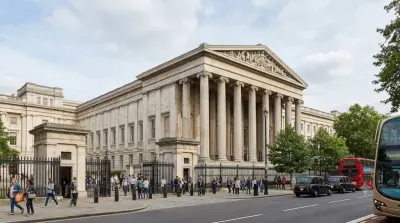
Museums & galleries
British Museum
The largest national public museum in the UK, located in Bloomsbury, London, home to artifacts gathered from around the world. Its vast collection spanning the whole of human history and culture makes it a must-visit stop on any trip to London.
Museums & galleries
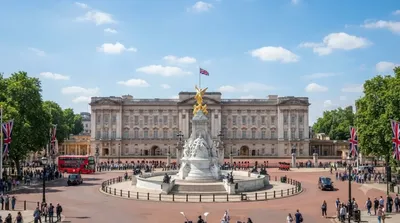
Buckingham Palace
Located in central London, this palace has served as the official residence of the British monarch since 1837 and stands as a symbol of the royal family. Many travelers come to admire its grand facade.
Temples & religious sites
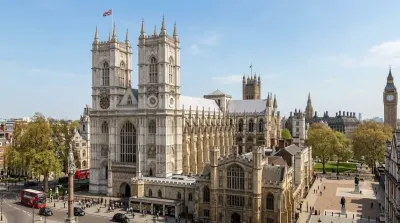
Westminster Abbey
A Gothic-style Anglican church in Westminster, London, where British royal coronations and major state occasions have long taken place. It stands right next to the Houses of Parliament, making the two easy to visit together.
Views & landmarks
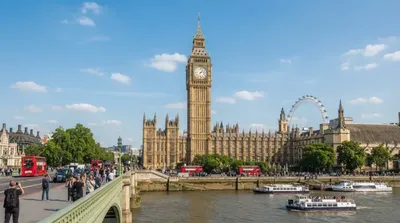
Big Ben
A towering clock tower standing beside the Palace of Westminster in London, regarded as one of the city's iconic landmarks. Since it was built in 1858, it has continued to draw travelers from around the world every day.
More London guides
Best value
Where to Stay in London for the Best Value
5-star & luxury
Where to Stay in London for Luxury and 5-Star Accommodation
Pool villas & resorts
How to Choose Resort-Style Accommodations and Pool Villas in London
Family travel
Where to stay in London with family: Best areas and practical booking guide
Couples & honeymoon
Where to Stay in London for Couples and Honeymoons
Central & near stations
Where to stay in London near central transit hubs and major stations
Best time to visit
When Is the Best Time to Visit London for Good Weather and Manageable Crowds?
First-time guide
How to Plan Your First Trip to London: Districts, Transit, and Practical Tips
Getting around guides for other destinations
Guantánamo
How to Get Around Guantánamo and Travel from Antonio Maceo Airport
Cetinje
How to Get Around Cetinje and Travel from Podgorica Airport
North Nicosia
How to get around North Nicosia and travel from Larnaca Airport
Cienfuegos
How to get around Cienfuegos: transport options and airport transfers