Culture & venues
National Theatre Okinawa
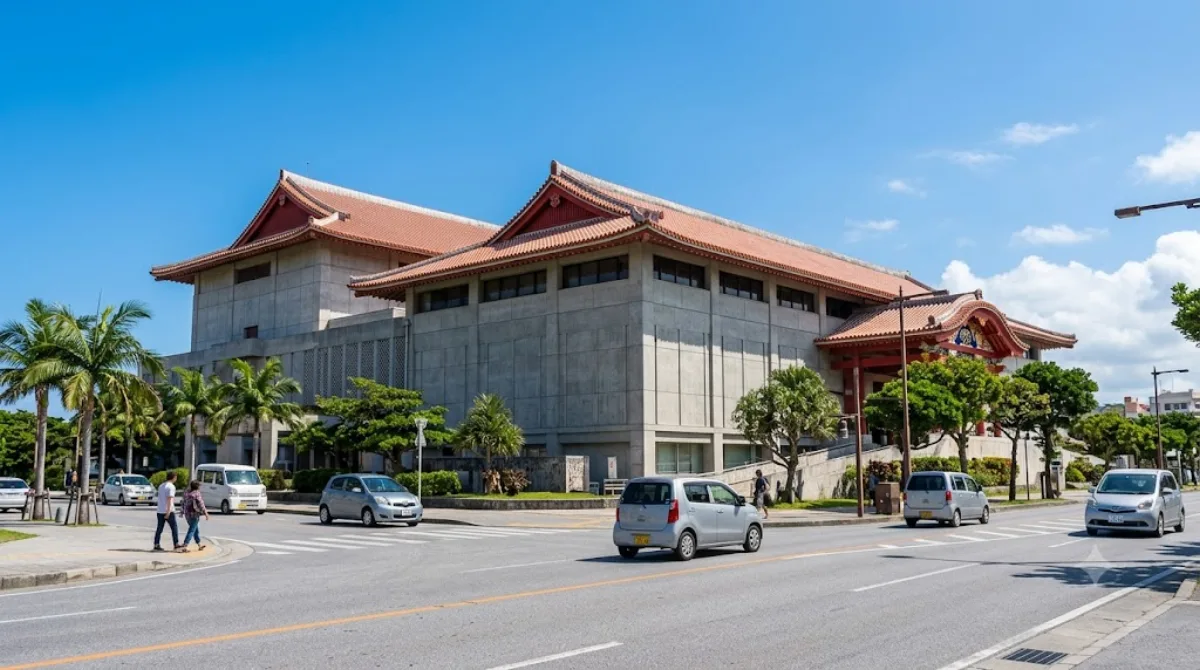
National Theatre Okinawa
This is a purpose-built venue in Urasoe for Kumi Odori, the classical Ryukyuan dance-drama tradition, along with other Ryukyuan music and dance performances. It has a main auditorium seating 632 and a smaller hall for 255, and the institution also works on documenting and preserving Okinawa's performing arts and running exchange programs with other parts of the Asia-Pacific region. It's worth visiting on a night when a performance is scheduled — this is a place for watching a specific show, not a museum you browse at will.
Getting there
Urasoe sits just north of central Naha. From Naha city centre, a taxi or car typically takes about 15-20 minutes depending on traffic; public transit connections are limited, so driving or taxi is the more practical option for most visitors.
Time to allow
If you're attending a performance, plan for the length of the show itself (often a couple of hours) plus time before and after. Without a performance on the schedule, there isn't much to see on-site, so it's not a stop worth making outside of show times.
When to go
Go on evenings or dates when Kumi Odori or Ryukyuan music and dance programs are scheduled, since this is a performance venue rather than a walk-through attraction. Check the performance calendar in advance, as show dates are limited and not a daily occurrence.
Combine with
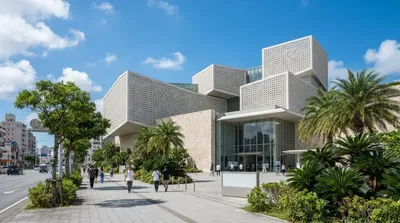
- Okinawa Prefectural Museum & Art Museum (2.3km) – for background on Okinawan/Ryukyuan history and art before or after a show
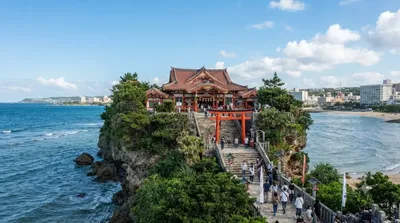
- Tomari (2.6km) – a nearby area worth pairing with a visit
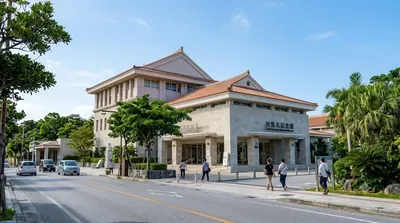
- Urasoe Art Museum (3.1km) – another cultural stop in the same district
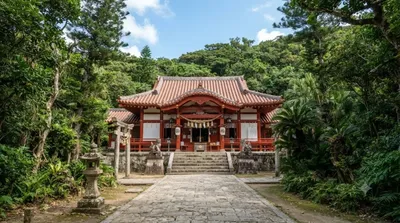
- Sueyoshi-gū (3.1km) – a shrine you can combine with the above for a half-day cultural loop
Updated September 20, 2026 · Edited by the World by City editors
 GetYourGuide
 Klook
Klook
 Tiqets
 KKday
KKday
 WeGoTrip
 Booking.com
 Hotels.com