Museums & galleries
Musée d'Orsay
About the Musée d'Orsay
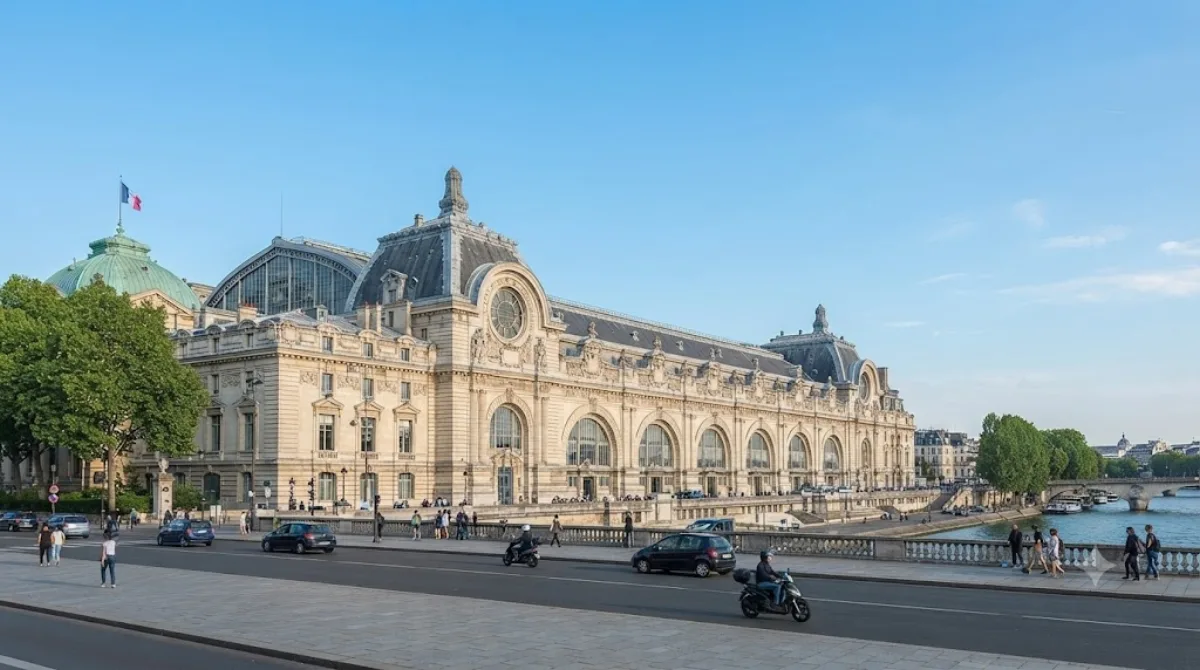
The Musée d'Orsay occupies a former railway station, the Gare d'Orsay, on the left bank of the Seine. Its collection focuses on French art from roughly 1848 to 1914, with particular strength in Impressionist and Post-Impressionist painting: Monet, Renoir, Degas, Van Gogh, Cézanne and others are well represented, alongside sculpture and decorative arts from the same period. The building itself, with its large station clock and glass roof, is part of the experience.
Getting there
From central Paris, the museum is reachable by RER C (Musée d'Orsay station, right at the entrance) or by several metro and bus lines with a short walk. From areas like the Marais or Châtelet, expect 15-25 minutes by public transport. It's also a walkable, roughly 20-30 minute stroll along the river from the Louvre area.
How much time to allow
Most visitors spend two to three hours here. If you want to look closely at the Impressionist galleries on the upper level and also see the sculpture hall and temporary exhibitions, allow closer to three to four hours.
When to go
The museum tends to be busiest in the late morning and around midday, especially the top-floor Impressionist rooms. Arriving earlier in the day or later in the afternoon generally means smaller crowds around the best-known paintings.
Combine it with
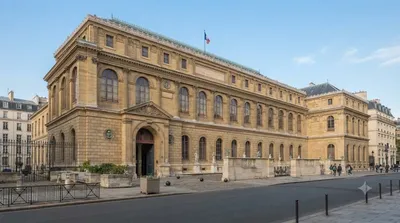
- Beaux-Arts de Paris (0.6km) - an art school with its own exhibition spaces, an easy add-on nearby.
- Palais Bourbon (0.6km) - seat of the French National Assembly, viewable from outside.
- Place de la Concorde (0.7km) - a large historic square, a pleasant walk along the river.
- Louvre Museum (0.7km) - across the Seine; pairing both in one day is possible but demanding given their size.
Updated September 8, 2026 · Edited by the World by City editors
 GetYourGuide
 Klook
Klook
 Tiqets
 KKday
KKday
 WeGoTrip
 Booking.com
 Hotels.com