Heritage & monuments
Temple of Eshmun
Overview
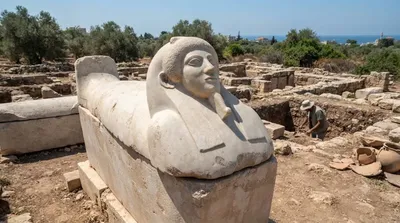
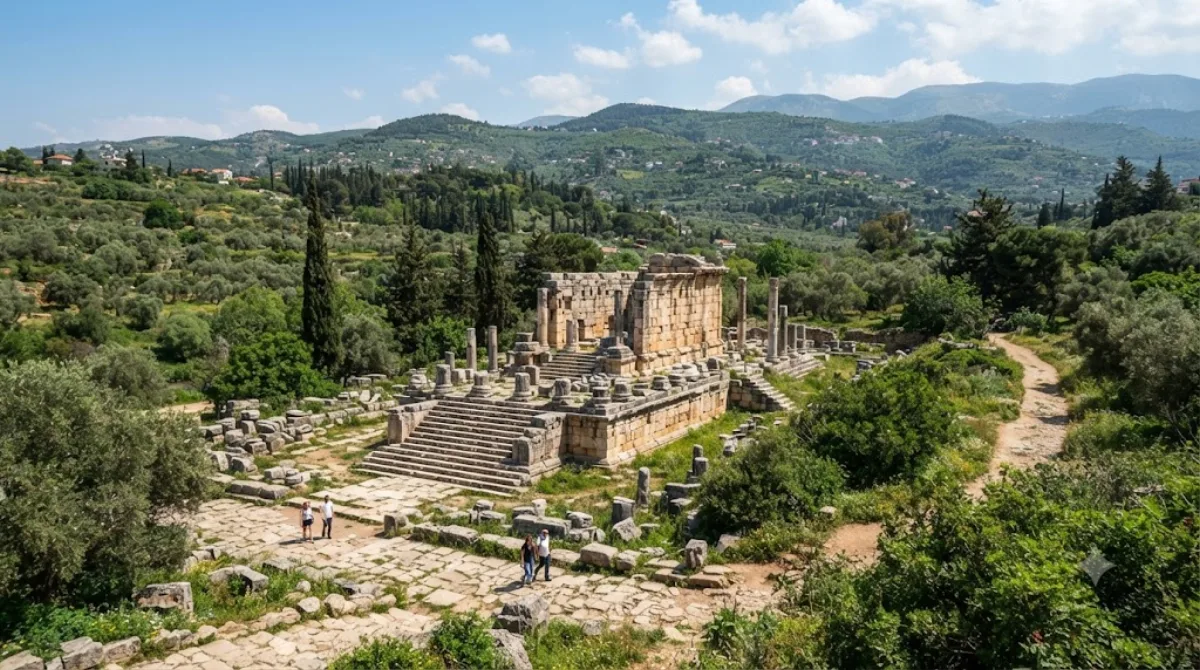
The Temple of Eshmun is an ancient Phoenician archaeological complex dedicated to Eshmun, the Phoenician god of healing. Situated on the banks of the Awali River near Sidon, the site contains stone foundations, monumental terraces, and ritual basins expanded by successive rulers from the 7th century BC onward. Visitors come to explore the surviving stone remains and Phoenician religious layout.
Getting There
The ruins are located north of central Sidon. Reaching the site by car or taxi from the city centre takes roughly 10 to 15 minutes. For international travellers, Beirut–Rafic Hariri International Airport (BEY) is the main entry point, situated about 40 kilometres to the north.
Suggested Duration
Plan to spend between 45 and 90 minutes on site to walk through the excavation areas and inspect the stone masonry.
When to Visit
Spring and autumn provide moderate temperatures for walking around the open-air grounds. Visiting in the morning or late afternoon helps avoid midday heat, as shade across the complex is minimal. The site does not typically draw large crowds, allowing for quiet exploration.
Nearby Attractions
Combine a stop here with other nearby points of interest:
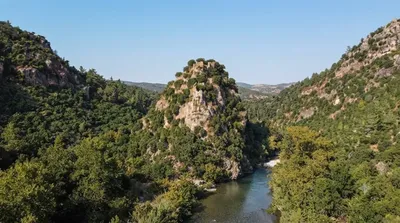
- Awali River (1.2km): Natural river flowing along the valley next to the site.
- Royal necropolis of Ayaa (2.4km): Historical burial grounds located closer to the city.
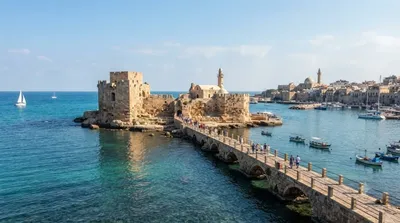
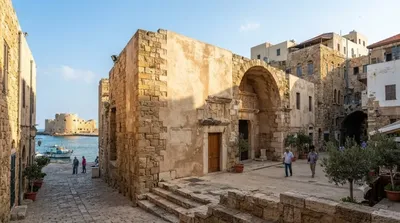
- Sidon Sea Castle (3.2km): Coastal fortress standing along the harbour.
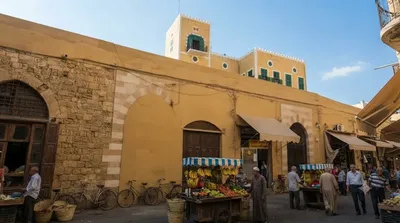
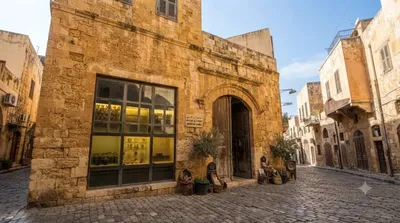
- Debbane Palace (3.3km): Historic residential building in the old city quarter.
Updated September 8, 2026 · Edited by the World by City editors
 GetYourGuide
 Klook
Klook
 Tiqets
 KKday
KKday
 WeGoTrip
 Booking.com
 Hotels.com