Museen & Galerien
Museum San Marco
Museum of San Marco
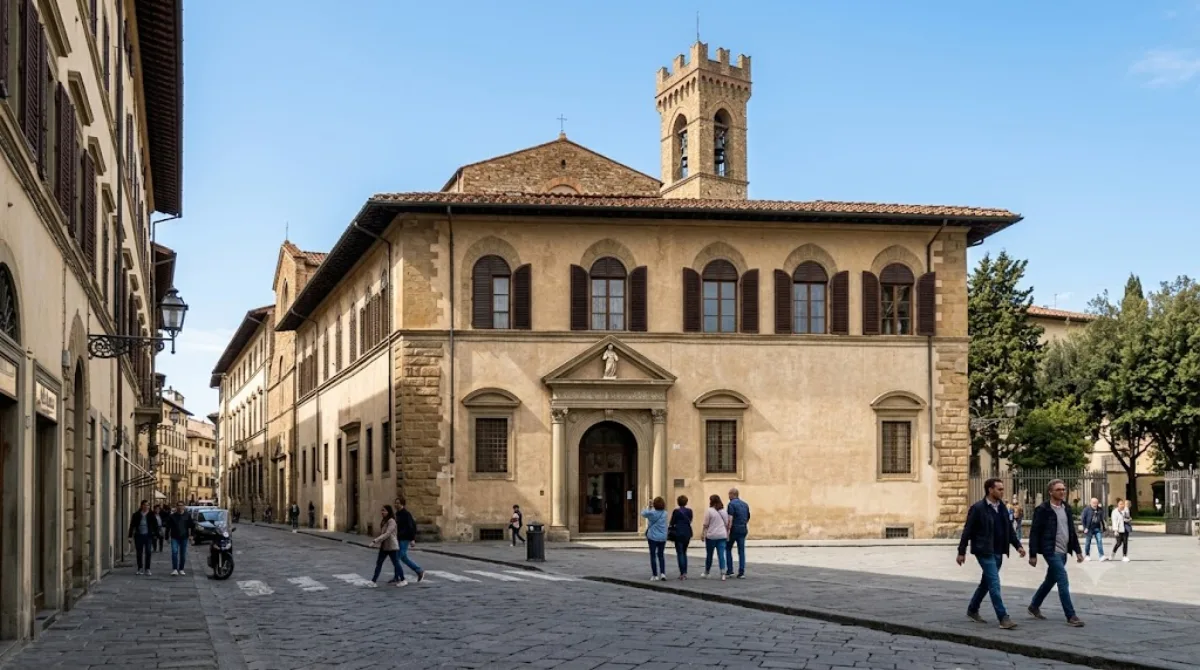
Das Museum von San Marco
Das Museum befindet sich in einem ehemaligen Dominikanerkloster in Florenz. Besucher kommen primär wegen der Fresken von Fra Angelico, einem Mönch und Maler des 15. Jahrhunderts. Die religiösen Szenen wurden direkt auf die Wände der kleinen Mönchszellen gemalt, wodurch die Kunstwerke in ihrem ursprünglichen, meditativen Kontext bleiben und nicht wie in einer klassischen Galerie präsentiert werden.
Anreise aus dem Stadtzentrum
Das Museum liegt im Zentrum von Florenz und ist vom Hauptplatz (Piazza della Repubblica) aus in etwa 10 bis 15 Minuten zu Fuß erreichbar.
Zeitplanung
Für den Besuch des Klosters und die Besichtigung der Zellen sowie der anderen Ausstellungsräume sollten etwa 1,5 bis 2 Stunden eingeplant werden.
Besucheraufkommen und Zeitpunkt
Wie viele Sehenswürdigkeiten in Florenz kann es hier zu Stoßzeiten voll werden. Ein Besuch am frühen Vormittag ist ratsam, um die Ruhe der Zellen besser erleben zu können.
Kombination mit anderen Sehenswürdigkeiten
Aufgrund der zentralen Lage lassen sich weitere Attraktionen in unmittelbarer Nähe kombinieren:
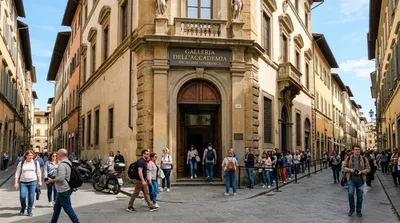
- Galleria dell'Accademia: 0,1 km entfernt
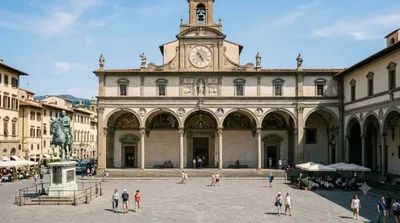
- Santissima Annunziata: 0,2 km entfernt
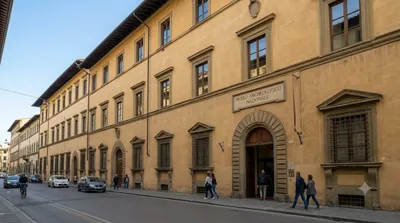
- Nationales Archäologisches Museum: 0,3 km entfernt
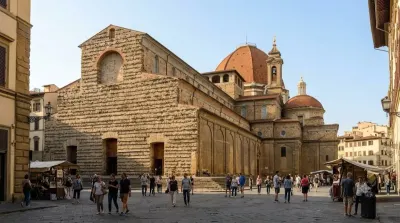
- Basilika San Lorenzo: 0,6 km entfernt
Aktualisiert 20. September 2026 · Redaktion die World by City-Redaktion
 GetYourGuide
 Klook
Klook
 Tiqets
 KKday
KKday
 WeGoTrip
 Booking.com
 Hotels.com