Museen & Galerien
Certosa di San Martino
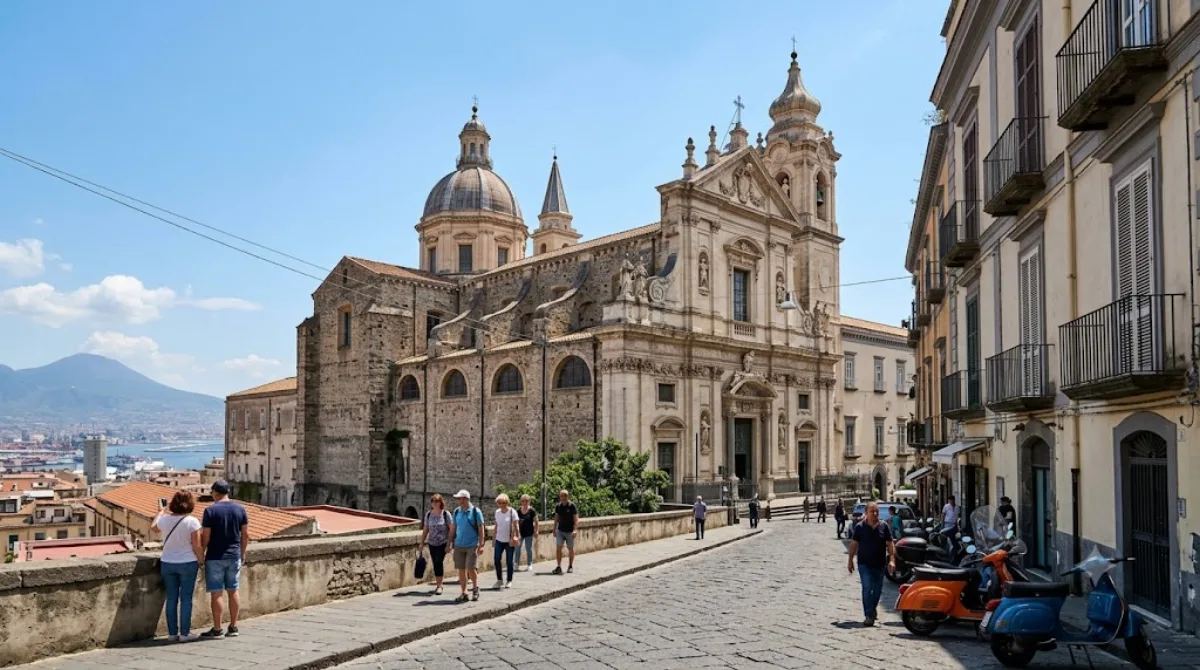
Certosa di San Martino
Die Certosa di San Martino ist ein ehemaliges Kartäuserkloster auf dem Vomero-Hügel in Neapel, das heute als Museum genutzt wird. Das im Jahr 1368 fertiggestellte Gebäude erhielt sein heutiges barockes Erscheinungsbild durch eine umfassende Renovierung unter der Leitung des Architekten Cosimo Fanzago ab 1623. Besucher kommen hierher, um die religiöse Architektur, die Kunstsammlungen und die historische Struktur des Klosters zu besichtigen.
Anreise aus dem Stadtzentrum
Vom Stadtzentrum aus ist das Kloster am effizientesten mit der Standseilbahn (Funicolare) zu erreichen, die auf den Vomero-Hügel hinaufführt. Die Fahrtzeit inklusive des kurzen Fußwegs vom Bahnhof zum Kloster beträgt etwa 20 bis 30 Minuten.
Zeitaufwand vor Ort
Für die Besichtigung der Museumsräume, der Kirche und der Außenanlagen sollte man etwa zwei bis drei Stunden einplanen.
Besuchszeit und Hinweise
Das Kloster kann je nach Saison und Wochentag stark besucht sein. Um größeren Menschenmengen zu entgehen, empfiehlt sich ein Besuch in den frühen Morgenstunden oder an Wochentagen. In den Sommermonaten ist die Hitze auf dem Hügel ein Faktor, während die Herbst- und Frühlingsmonate mildere Temperaturen bieten.
Kombination mit anderen Sehenswürdigkeiten
Aufgrund der Lage lassen sich weitere Attraktionen in unmittelbarer Nähe integrieren:
- Castel Sant'Elmo: 0,2 km entfernt
- San Giacomo degli Spagnoli: 0,8 km entfernt
- Galleria Umberto I: 0,9 km entfernt
- Kirche San Ferdinando: 0,9 km entfernt
Aktualisiert 24. September 2026 · Redaktion die World by City-Redaktion
 GetYourGuide
 Klook
Klook
 Tiqets
 KKday
KKday
 WeGoTrip
 Booking.com
 Hotels.com