Museen & Galerien
Engelsburg
Castel Sant'Angelo
Hintergrund und Konzept
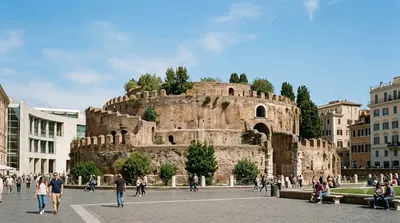
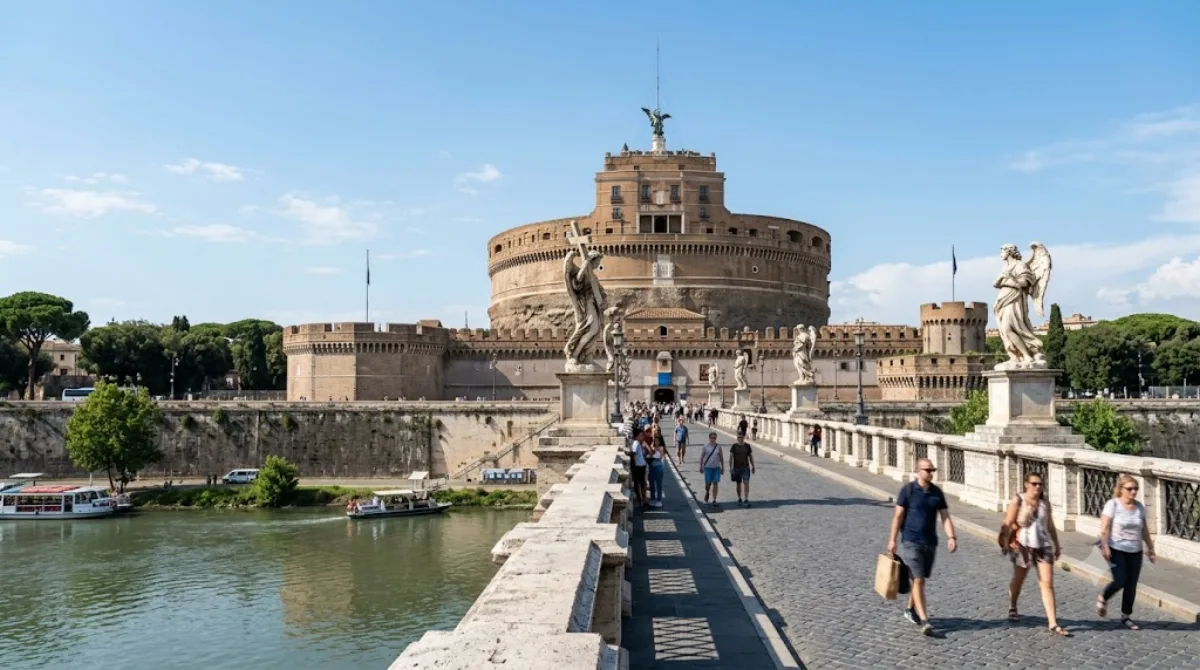
Das Castel Sant'Angelo am Tiber entstand ursprünglich als Mausoleum für den römischen Kaiser Hadrian und seine Familie. Spätere Päpste wandelten den zylindrischen Bau in eine Festung um und weihten ihn dem Erzengel Michael. Reisende besuchen das Museum, um die bauliche Entwicklung von der antiken Grabstätte zum militärischen Schutzbau sowie die historischen Innenräume und die Aussicht auf Rom zu erkunden.
Anreise aus dem Zentrum
Aus der Innenstadt ist das Bauwerk zu Fuß über die Engelsbrücke in etwa 15 bis 20 Minuten erreichbar. Mehrere städtische Buslinien binden die nahegelegenen Haltestellen am Flussufer in 15 bis 25 Minuten an.
Empfohlene Aufenthaltsdauer
Für die Besichtigung der Festungsmauern, Ausstellungsräume und der oberen Terrasse sind 1,5 bis 2 Stunden einzuplanen.
Besuchszeit und Andrang
Die Anlage ist stark frequentiert, vor allem in den Mittagsstunden und am Wochenende, was zu längeren Wartezeiten führen kann. Der frühe Vormittag oder späte Nachmittag eignet sich besser für einen ruhigen Rundgang.
Kombinationen in der Umgebung
Folgende Ziele liegen in direkter Gehdistanz:
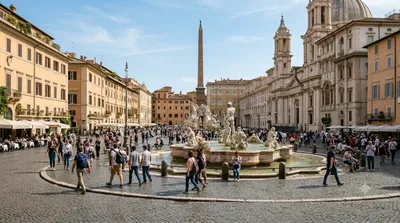
- Piazza Navona (0,7 km)
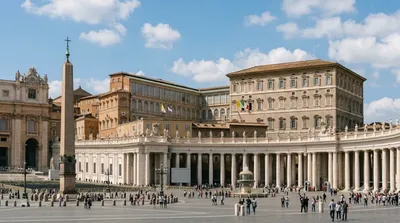
- Petersplatz (0,8 km)
- Apostolischer Palast (0,8 km)
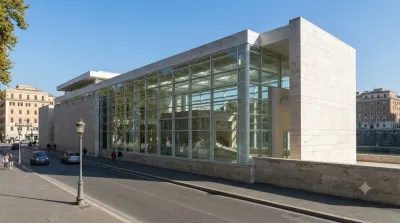
- Ara Pacis (0,9 km)
Aktualisiert 20. September 2026 · Redaktion die World by City-Redaktion
 GetYourGuide
 Klook
Klook
 Tiqets
 KKday
KKday
 WeGoTrip
 Booking.com
 Hotels.com