
Denkmäler & Ausgrabungen
Augustusmausoleum
Mausoleum of Augustus
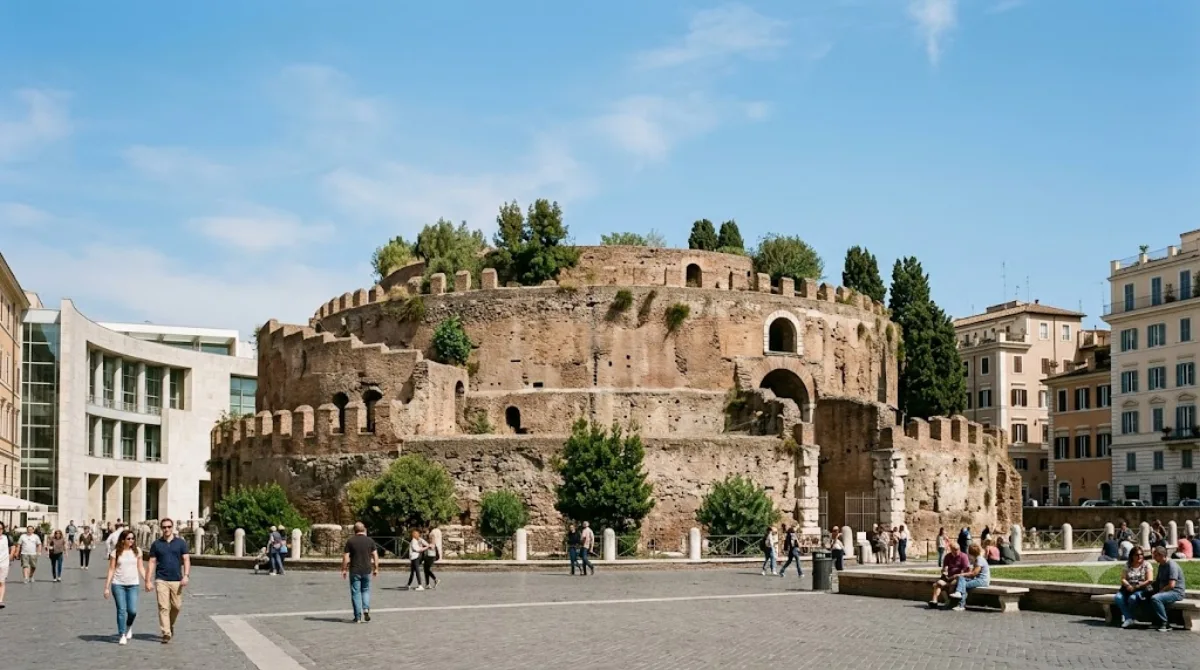
Das Mausoleum des Augustus
Das Mausoleum des Augustus ist ein massives, kreisförmiges Grabmal, das im Jahr 28 v. Chr. auf dem Campus Martius errichtet wurde. Es diente als letzte Ruhestätte für den ersten römischen Kaiser sowie für die julisch-claudische Dynastie. Besucher kommen hierher, um die Architektur der frühen Kaiserzeit und die Überreste eines der größten Grabmonumente der Antike zu besichtigen.
Anreise aus dem Stadtzentrum
Die Anlage befindet sich an der Piazza Augusto Imperatore in der Nähe des Tibers. Vom historischen Zentrum aus ist sie am besten mit den öffentlichen Verkehrsmitteln oder zu Fuß zu erreichen. Die Fahrtzeit beträgt je nach Startpunkt und Verkehrslage etwa 10 bis 20 Minuten.
Besuchsdauer
Für die Besichtigung des Geländes und die Betrachtung der Außenanlagen sollten Besucher etwa eine Stunde einplanen.
Beste Besuchszeit
Ein Besuch am frühen Vormittag ist empfehlenswert, um die Mittagshitze des römischen Sommers zu vermeiden. In der Hochsaison kann es an den touristischen Knotenpunkten der Stadt zu einem hohen Besucheraufkommen kommen.
Kombination mit anderen Sehenswürdigkeiten
Aufgrund der zentralen Lage lassen sich weitere Attraktionen in den Besuch integrieren:
- Ara Pacis: 0,1 km entfernt
- Piazza di Spagna: 0,5 km entfernt
- Spanische Treppe: 0,5 km entfernt
- Piazza del Popolo: 0,5 km entfernt
Aktualisiert 20. September 2026 · Redaktion die World by City-Redaktion
 GetYourGuide
 Klook
Klook
 Tiqets
 KKday
KKday
 WeGoTrip
 Booking.com
 Hotels.com