Tempel & Sakralbauten
Il Gesù
Church of the Gesù
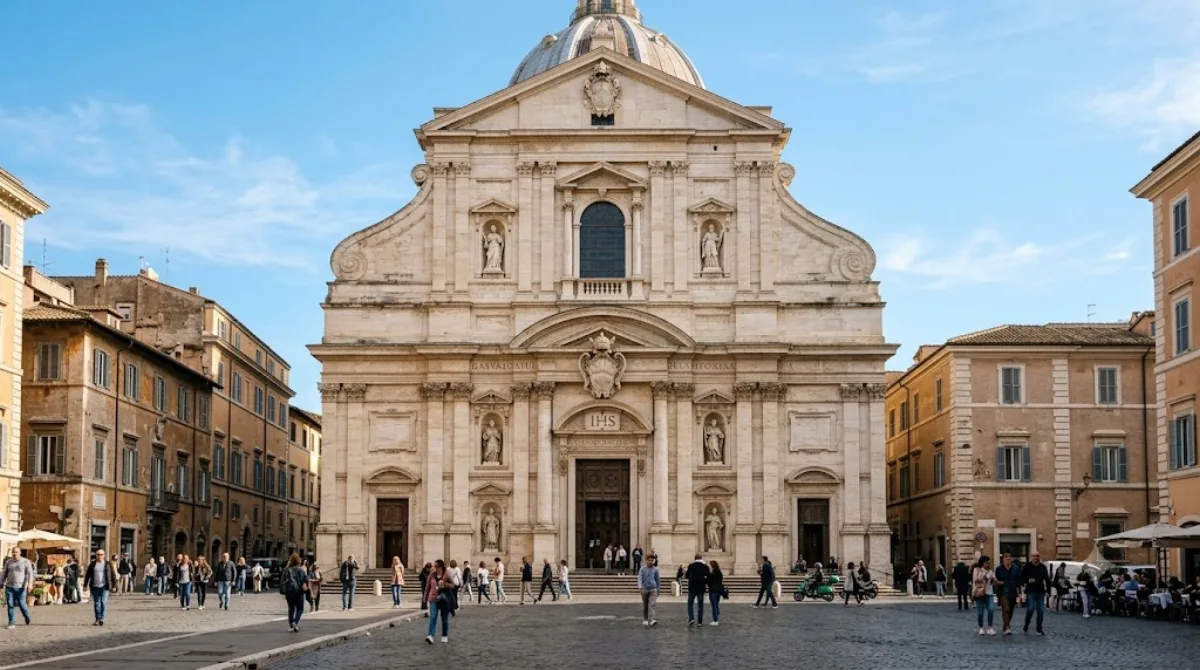
Die Kirche Il Gesù
Die Kirche Il Gesù ist die Mutterkirche des Jesuitenordens und befindet sich im Stadtteil Pigna in Rom. Sie ist architektonisch bedeutsam, da ihre Fassade als eines der ersten vollständigen Beispiele des Barock gilt und als Vorbild für zahlreiche Jesuitenkirchen in Europa und Lateinamerika diente. Im Inneren ist insbesondere das Deckenfresko bemerkenswert, bei dem gemalte Architektur illusionistisch mit der realen Bausubstanz verschmilzt.
Anreise und Zeitplanung
Die Kirche liegt zentral in der Innenstadt. Von den Hauptknotenpunkten des Zentrums aus ist sie in etwa 10 bis 15 Minuten zu Fuß erreichbar. Für den Besuch der Kirche und die Betrachtung der künstlerischen Details im Innenraum sollte man etwa eine Stunde einplanen.
Besucherhinweise
Die Kirche kann je nach Tageszeit stark besucht sein. Um Menschenmengen zu vermeiden, empfiehlt sich ein Besuch in den frühen Morgenstunden. Da es sich um einen aktiven religiösen Ort handelt, ist auf angemessene Kleidung zu achten.
Kombinationsmöglichkeiten
Aufgrund der zentralen Lage lassen sich weitere Sehenswürdigkeiten in unmittelbarer Nähe integrieren:
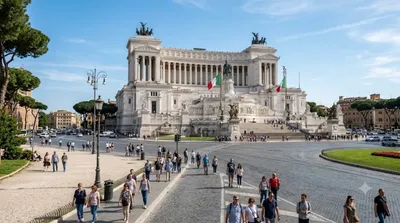
- Piazza Venezia: 0,2 km entfernt
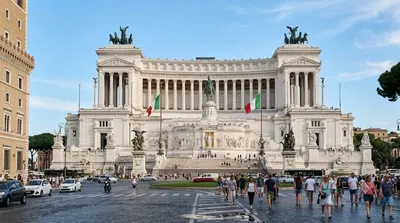
- Altare della Patria: 0,3 km entfernt
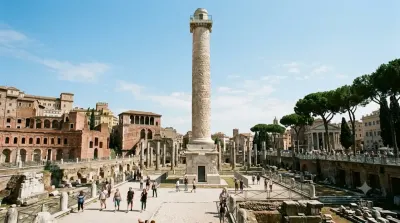
- Trajanssäule: 0,4 km entfernt
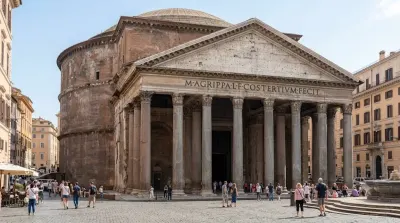
- Pantheon: 0,4 km entfernt
Aktualisiert 20. September 2026 · Redaktion die World by City-Redaktion
 GetYourGuide
 Klook
Klook
 Tiqets
 KKday
KKday
 WeGoTrip
 Booking.com
 Hotels.com