World by City

전망·랜드마크

Cebu–Cordova Link Expressway

Cebu–Cordova Link Expressway

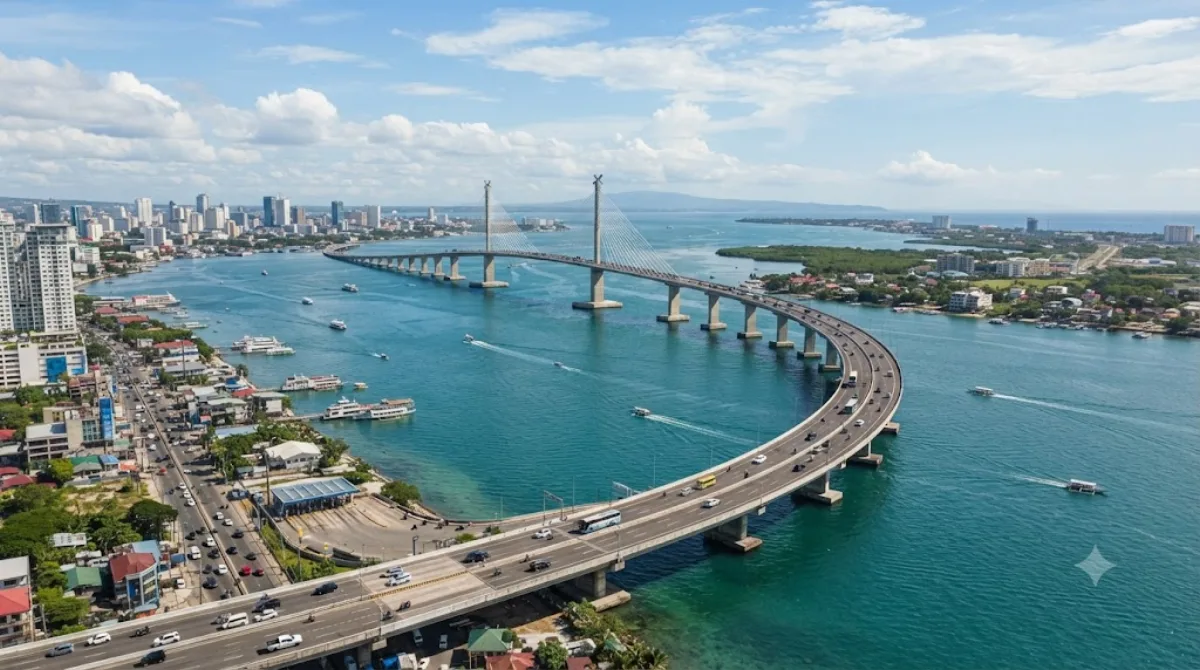
The Cebu–Cordova Link Expressway (CCLEX), also known as the Cebu–Cordova Bridge and the Third Cebu–Mactan Bridge, is an 8.9-kilometer (5.5 mi) toll bridge expressway in Metro Cebu, Philippines. The bridge connects the South Road Properties in Cebu City in mainland Cebu and Cordova on Mactan island. Crossing the Mactan Channel, the bridge is the third road link between Cebu and Mactan islands and the first between Cebu City and Cordova. It is the longest sea-crossing bridge in the Philippines, surpassing the 2-kilometer (1.2 mi) San Juanico Bridge between Samar and Leyte, as well as Marcelo Fer...

세부-코르도바 링크 익스프레스웨이(CCLEX)

CCLEX는 세부 시내 사우스로드프로퍼티스(SRP)와 막탄섬 코르도바를 잇는 8.9km 길이의 유료 고속도로 다리다. 막탄 해협을 가로지르는 세부-막탄 간 세 번째 연결로이자 코르도바로 이어지는 첫 다리로, 필리핀에서 가장 긴 해상 교량으로 알려져 있다. 여행자들은 도보 관광지라기보다 차로 건너며 바다와 시내 스카이라인을 조망하거나, 다리가 보이는 SRP 쪽 해안에서 그 규모를 사진에 담기 위해 찾는다.

가는 방법

세부 시내(포트 산 페드로, 플라자 인데펜덴시아 일대)에서 택시나 그랩을 이용해 SRP 진입로까지 이동하면 10분 안팎이 걸린다. 다리를 끝까지 건너 코르도바까지 가는 데는 통행량에 따라 15~20분 정도 소요된다.

머무는 시간

차량으로 통과하는 구조물이라 오래 머물 곳은 아니다. SRP 해안에서 다리 전경을 사진으로 남기는 정도라면 30분~1시간이면 충분하고, 코르도바까지 왕복으로 건너보는 경우 이동 시간을 포함해 조금 더 여유를 두는 편이 좋다.

언제 가면 좋을까

출퇴근 시간대에는 SRP 진입로와 시내 접속 구간에 정체가 생길 수 있어 피하는 것이 낫다. 해 질 무렵에는 해협과 다리가 함께 붉게 물드는 풍경을 볼 수 있어 이 시간대에 해안으로 나오는 사람이 많아지는 편이다.

함께 둘러보기

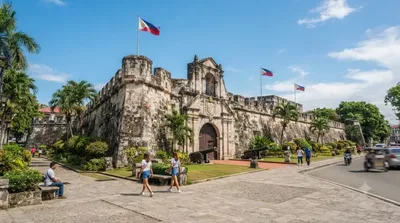
  • 포트 산 페드로 (1.2km) — SRP 쪽 진입로와 가까워 시내 역사 지구 동선에 넣기 좋다
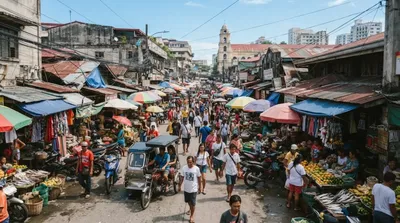
  • 카르봉 시장 (1.2km) — 현지 시장 분위기를 함께 느낄 수 있는 거리
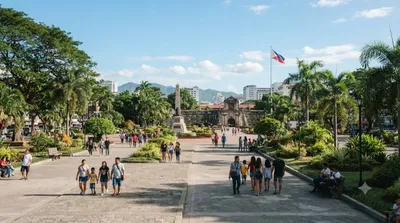
  • 플라자 인데펜덴시아 (1.3km) — 도보권 내 역사 광장
  • 플라자 수그보 (1.3km) — 같은 구역에서 이어서 걷기 좋은 코스

출처: 위키백과·OpenStreetMap 공개 자료 · 갱신 2026년 8월 5일 · 편집 World by City 편집팀

입장권·투어 예약

입장료와 운영 시간은 자주 바뀌어서 여기 적지 않습니다. 아래에서 지금 판매 중인 티켓과 가격을 확인하세요. 미리 사두면 현장 대기를 줄일 수 있는 곳도 있어요.

검색 결과에 이 장소의 티켓이 없을 수도 있어요. 무료 입장이거나 현장 발권만 하는 곳도 있습니다.

Cebu–Cordova Link Expressway 근처 숙소

걸어서 오갈 수 있는 거리부터 가까운 순으로 정리했어요. 거리는 직선거리 기준입니다.

지도 © OpenStreetMap 기여자. 직선 연결이라 실제 이동 경로와는 다릅니다.

Cebu–Cordova Link Expressway 근처 숙소

숙소 위치·이름은 OpenStreetMap 자료를 기반으로 하며, 가격과 예약 가능 여부는 각 예약 사이트에서 확인해 주세요.

이곳이 들어간 일정

같이 둘러보기 좋은 곳

Fort San Pedro

박물관·미술관

Fort San Pedro

Fort San Pedro is a military defense structure in Cebu, Philippines, built by the Spanish under the command of Miguel López de Legazpi, first governor of the Captaincy General of the Philippines. It is located in the area now called Plaza Independencia, in the pier area of the city. The original fort was made of wood and built after the arrival of Legazpi and his expedition. In the early 17th century a stone fort was built to repel Muslim raiders. Today's structure dates from 1738 and is the oldest triangular bastion fort in the country. It served as the nucleus of the first Spanish settlement...

여기서 1.2 km

Carbon Market

쇼핑·거리

Carbon Market

The Carbon Market is the largest market in Cebu City, Philippines. It is the oldest market in the Central Visayas region. As the largest market in the city, various wares are sold in Carbon, including dry goods such as clothing, kitchenware, and handicrafts, as well as wet goods, such as fruits, vegetables, and meat, among other goods, sold by approximately 6,000 vendors in the market.

여기서 1.2 km

Plaza Independencia

공원·정원

Plaza Independencia

The Plaza Independencia is a Spanish colonial era plaza in Cebu City.

여기서 1.3 km

Plaza Sugbu

공원·정원

Plaza Sugbu

Plaza Sugbu, formerly known as Plaza Rizal, is a public square in Cebu City, Philippines. The square connects the Magellan's Cross kiosk and the Cebu City Hall. The square was inaugurated in 2008 by Philippine president Gloria Arroyo.

여기서 1.3 km

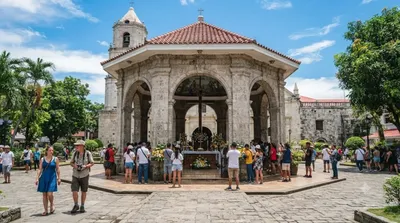
마젤란의 십자가

유적·기념물

마젤란의 십자가

마젤란의 십자가(Magellan's Cross)는 페르디난드 마젤란이 1521년 3월 15일 필리핀 세부에 도착하자 마자 마젤란의 명령에 의해 포르투갈과 스페인 탐험가들에 의해 달아둔 기독교 십자가이다.

여기서 1.3 km

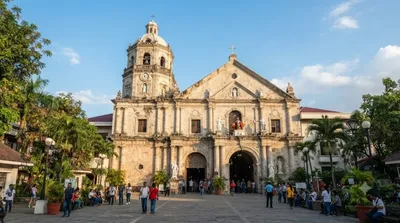
Minor Basilica of the Holy Child

사원·종교

Minor Basilica of the Holy Child

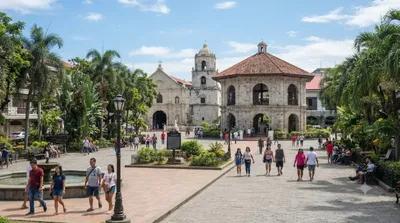
The Basílica Minore del Santo Niño de Cebú, or simply the Santo Niño Basilica, is a Catholic minor basilica in Cebu City, Philippines. It was originally founded by Augustinian friars Andrés de Urdaneta and Diego de Herrera in 1565. It is the oldest church in the country and is purported to have been built on the site where the image of the Santo Niño de Cebú was rediscovered during the expedition of the Spanish conquistador Miguel López de Legazpi.

여기서 1.4 km