Heritage & monuments
Acropolis of Athens
What it is
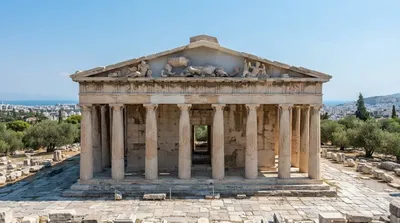
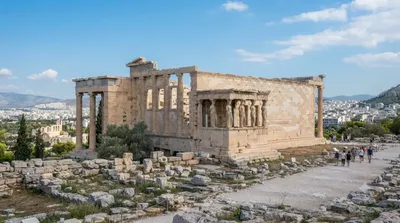
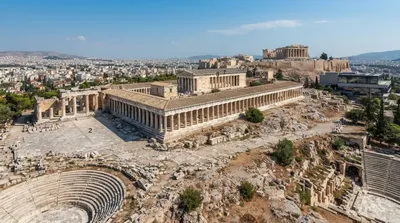
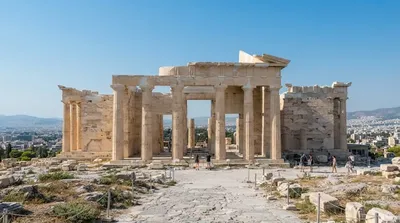
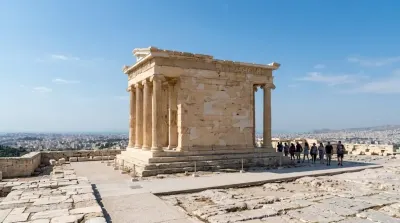
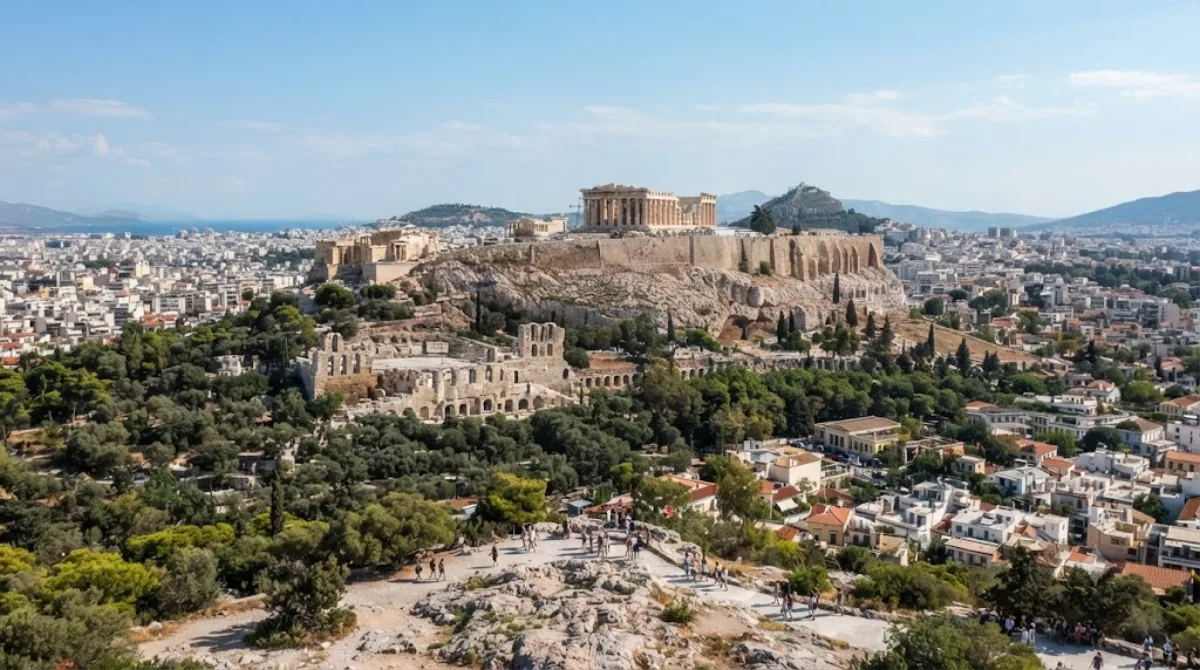
The Acropolis is the fortified hilltop at the centre of Athens, built up over centuries as the city's religious and civic core. The Parthenon, the Erechtheion, and other temple ruins sit together on the rock, giving a concentrated view of ancient Greek architecture and the history of the city in one walk. Most visitors come for the Parthenon itself, but the smaller structures around it and the views over Athens from the plateau are part of what makes the visit worthwhile.
Getting there
From central Athens, the Acropolis is reachable on foot from Monastiraki or Plaka in about 15-20 minutes, mostly uphill on paved and stepped paths. By metro, Acropoli station on Line 2 is the closest stop, a short walk from the entrance. Taxis can drop passengers near the main approach, though the final stretch up to the site is walked regardless.
How much time to allow
Plan for at least 2 to 3 hours to walk the site itself, more if visiting the on-site museum areas or taking time at the viewpoints. The paths are uneven and the rock underfoot can be slippery, so movement is slower than on flat ground.
When to go
Early morning is the quietest and coolest time to visit, especially in summer when the exposed hill gets hot with little shade. The site draws large numbers of visitors and tour groups through the middle of the day, so arriving right when it opens or later in the afternoon helps avoid the densest crowds.
What to combine it with
The main monuments on the hill are steps apart from each other: the Parthenon is right at the summit, with the Hekatompedon temple, Erechtheion, and Brauroneion all within about 100 metres. A single visit to the Acropolis naturally covers all of these together, making it easy to see the whole complex without extra travel between stops.
Updated September 8, 2026 · Edited by the World by City editors
 GetYourGuide
 Klook
Klook
 Tiqets
 KKday
KKday
 WeGoTrip
 Booking.com
 Hotels.com