Museums & galleries
Forbidden City
Overview
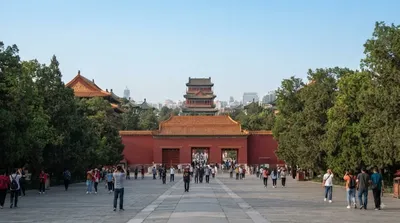
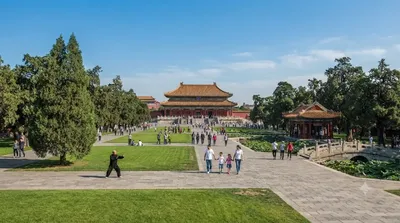
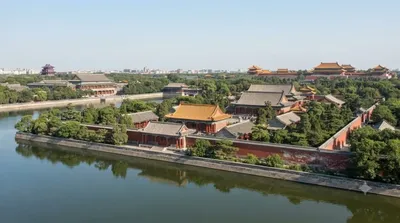
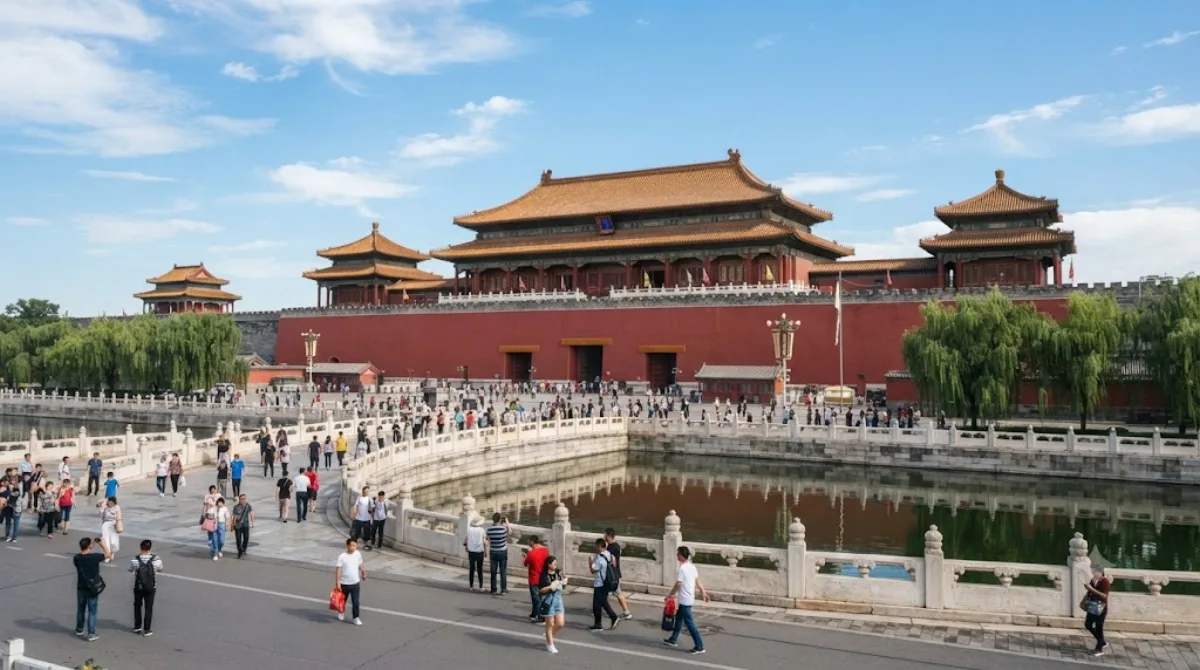
The Forbidden City was the imperial palace of the Ming and Qing dynasties, sitting at the center of Beijing and now operated as the Palace Museum. It is a walled complex of courtyards, halls, and residential quarters built for emperors and their households rather than a single building, so the experience is more about walking through a sequence of spaces than viewing one landmark. Visitors come to see the scale of imperial architecture and get a sense of how the old Chinese court was physically organized, from ceremonial halls at the front to more private living quarters toward the back.
Getting there
It sits right in central Beijing, near Tiananmen Square, and is reachable by subway in well under an hour from most parts of the city. Taxis and ride-hailing apps work too, though traffic near the square can slow things down. If arriving from Beijing Capital International Airport (PEK), plan on a longer trip into the city center before connecting to the palace area.
How much time to allow
The complex is large, so give yourself at least half a day to walk through the main halls without rushing. Visitors with a strong interest in architecture or history may want closer to a full day to also take in some of the side galleries and gardens.
When to go
Arriving early in the day helps avoid the largest crowds, which build up quickly around the main gates and central halls, especially on weekends and during Chinese public holidays. Spring and autumn tend to bring more comfortable walking weather than the height of summer or winter.
Nearby
- Imperial Ancestral Temple (0.7km) — a short walk away, useful to pair with a palace visit on the same day.
- Jingshan Park (0.9km) — sits just north of the palace and offers an elevated view back over its rooftops.
- Zhongshan Park (0.9km) — another nearby green space that works well as a quieter stop after the palace grounds.
Updated September 8, 2026 · Edited by the World by City editors
 GetYourGuide
 Klook
Klook
 Tiqets
 KKday
KKday
 WeGoTrip
 Booking.com
 Hotels.com