
Beirut · Central & near stations
Where to stay in Beirut near major transit hubs and central districts
August 29, 2026 · last updated · about 3 min read
Understanding Central Transit in Beirut
Beirut has no passenger trains; transit relies on intercity bus hubs and shared cabs called service taxis. Staying central means positioning yourself near primary transit interchanges or key transport arteries.
Best Areas for Hub and Central Access
- Gemmayzeh and Saifi: Adjacent to the Charles Helou bus terminal, these districts suit travelers planning trips north to Byblos or Tripoli while remaining walking distance from Downtown.
- Hamra: A vibrant commercial hub with non-stop shared taxis and van routes to the southern Cola transport junction, ideal for independent travelers wanting quick access to the Corniche.
- Badaro: Centered near the National Museum, this neighborhood provides calm surroundings and fast road links connecting east and west transit corridors.
Connections to Sights and the Airport
Central neighborhoods allow easy hailing of shared taxis to reach Pigeon Rocks, the National Museum, or the seaside. Beirut-Rafic Hariri International Airport (BEY) sits directly south and is reached by private taxi via the airport highway.
What to Check Before Booking
- Generator Power: Verify your accommodation provides 24-hour backup generator electricity and continuous water, given regular municipal grid outages.
- Noise Levels: Transit intersections and main avenues suffer from heavy traffic and horn use; request rooms off the main strip.
When to Visit and Availability
July, August, and the year-end holidays bring peak visitor numbers and tighter central availability. Spring and autumn offer comfortable walking temperatures and better lodging selection near transit points.
Pick your dates — we'll search Beirut hotels for you
Choose dates and guests, and the buttons below will open search results with your criteria. Prices differ between sites, so compare before you book.
 View on Booking.com
 View on Hotels.com
Things to see in Beirut
See all →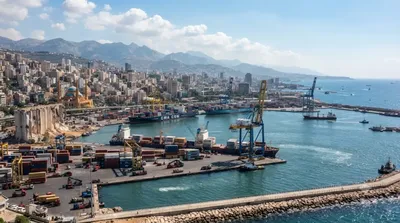
Shopping & districts
Port of Beirut
The Port of Beirut sits on Lebanon's Mediterranean coast in northern Beirut and first opened in 1887 during the Ottoman era. As one of the largest ports in the eastern Mediterranean, it serves as the city's gateway.
Museums & galleries
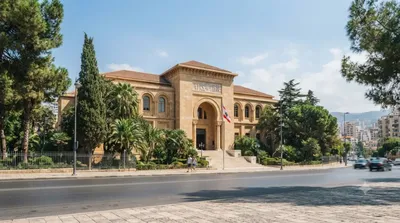
National Museum of Beirut
The National Museum of Beirut is Lebanon's national archaeological museum, opened in 1942. Its collection of roughly 100,000 items traces history from antiquity through the Middle Ages.
Temples & religious sites
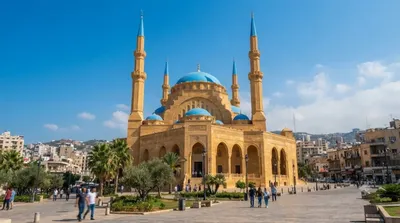
Mohammad Al-Amin Mosque
A Sunni mosque in downtown Beirut, also known as the "Blue Mosque." Its towering minarets and grand dome stand out prominently on the city skyline.
Shopping & districts
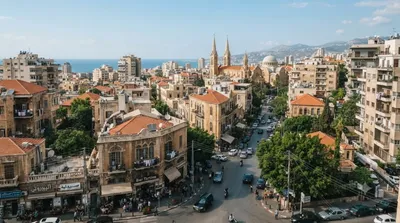
Ashrafieh
Ashrafieh is an upscale residential district in eastern Beirut. Sitting on the city's highest ground, it's a great place to explore on foot along its hilly streets, taking in views across the city.
More Beirut guides
Best value
Where to Stay in Beirut for the Best Value and Location
5-star & luxury
Where to stay in Beirut for a luxury trip: best areas and booking tips
Pool villas & resorts
Where to stay in Beirut for pool villas and coastal resorts
Family travel
Where to stay in Beirut with family: neighborhood guide and practical tips
Couples & honeymoon
Where to stay in Beirut for a couples getaway or honeymoon
Best time to visit
When is the best time to visit Beirut for good weather and sightseeing?
First-time guide
How to Plan Your First Trip to Beirut: Neighborhoods, Transport, and Orientation
Getting around
How to get around Beirut using taxis, shared service, and airport transfers
Central & near stations guides for other destinations
Guantánamo
Where to stay in Guantánamo for central sights and transport connections
Cetinje
Where to stay in Cetinje for central sights and bus connections
North Nicosia
Where to Stay in North Nicosia for Transit and Central Sights
Cienfuegos
Where to Stay in Cienfuegos Near the Bus Station and City Center