
Busan · Best time to visit
When to Visit Busan: A Season-by-Season Travel Guide
August 29, 2026 · last updated · about 3 min read
Seasonal Weather and Conditions
Busan's maritime setting tempers winter cold, but coastal wind and humidity shape the seasonal experience.
- Spring (April–May): Pleasant temperatures, sunny skies, and manageable crowds. Excellent for hillside sites like Beomeosa Temple.
- Summer (July–August): July brings heavy monsoon downpours. August is hot, humid, and packed with domestic beachgoers at Haeundae and Gwangalli.
- Autumn (September–November): October brings crisp air, low humidity, and clear skies, offering the best conditions for coastal walks.
- Winter (December–February): Milder than northern South Korea, but cold coastal winds make seaside areas feel bitter despite quiet streets.
Best and Worst Months to Visit
October and May suit most trips, offering dry conditions for coastal trails and outdoor fish markets. Travelers focused on swimming should choose August when designated beach zones are open.
Avoid July due to persistent monsoon storms that interrupt ferries and outdoor sightseeing. January is also tough if you want seaside walks.
High-Demand Periods
- Late July to early August: Peak vacation season fills coastal subway lines and spikes lodging rates around Haeundae.
- October: The Busan International Film Festival crowds Centum City and Haeundae transit.
- Chuseok and Seollal: Major holiday travel sells out KTX trains to Busan Station and flights into Gimhae International Airport (PUS) weeks early.
What to Pack
Wear sturdy walking shoes with reliable grip for steep coastal stairs and rocky paths. Bring a windbreaker for spring and autumn harbor gusts, and pack moisture-wicking layers and a sturdy umbrella for summer.
Pick your dates — we'll search Busan hotels for you
Choose dates and guests, and the buttons below will open search results with your criteria. Prices differ between sites, so compare before you book.
 View on Booking.com
 View on Hotels.com
Things to see in Busan
See all →
Views & landmarks
Busan Lotte World Tower
A supertall landmark under construction in Jung-gu, Busan, planned to reach 67 stories and 342 meters. It's drawing attention as it will become Busan's second-tallest building upon completion.
Heritage & monuments
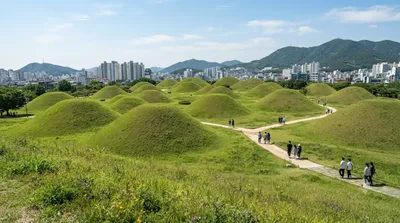
Gaya Tumuli
This heritage site encompasses seven ancient Gaya tomb clusters scattered across southern Korea, offering a glimpse into ancient Gaya culture. It was inscribed as a UNESCO World Heritage Site in 2023 and has since drawn attention as a historic travel destination.
Temples & religious sites
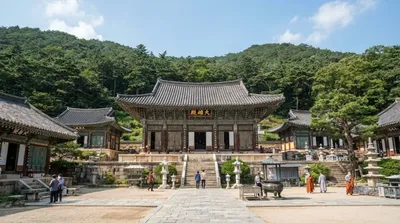
Beomeosa
A temple at the foot of Mt. Geumjeongsan in Busan, serving as the head temple of the 14th district of the Jogye Order of Korean Buddhism. Along with Tongdosa and Haeinsa, it is considered one of the three leading temples of southeastern Korea.

Museums & galleries
National Maritime Museum
This is the country's only national maritime museum, located in the marine cluster of Yeongdo-gu, Busan. It covers the history, science, and art of the sea, making it a great destination for families.
More Busan guides
Best value
Where to Stay in Busan for the Best Value and Easy Transit
5-star & luxury
Where to stay in Busan for a five-star luxury trip
Pool villas & resorts
Where to stay in Busan for pool villas and resorts
Family travel
Where to Stay in Busan for a Family Trip: Best Areas and Practical Tips
Couples & honeymoon
Where to Stay in Busan for a Couples Trip or Honeymoon
Central & near stations
Where to stay in Busan near major train and metro stations
First-time guide
How to Plan Your First Trip to Busan: Districts, Transit, and What to See First
Getting around
How to get around Busan by metro, bus, and airport transit
Best time to visit guides for other destinations
Guantánamo
When is the best time to visit Guantánamo, Cuba?
Cetinje
The Best Time to Visit Cetinje: Weather, Crowds, and Season Guide
North Nicosia
When to Visit North Nicosia: Weather, Seasons, and Practical Advice
Banja Luka
The Best Time to Visit Banja Luka for Good Weather and Outdoor Activities