
Cartago · First-time guide
How to visit Cartago Costa Rica for the first time
August 29, 2026 · last updated · about 4 min read
City Layout and Districts
Cartago is a high-altitude city characterized by a mix of colonial history and urban sprawl. For first-timers, think of the city in two primary zones: the Historic Center and the heart of the city where the Basilica and government buildings are located, and the Outlying Nature Zones, which include the botanical gardens and the slopes of the Irazú Volcano.
Arrival and Transportation
The gateway to the city is Juan Santamaría International Airport (SJO). From the airport, you can reach Cartago via shuttle, private transfer, or public bus. Once inside the city, the most common ways to get around are:
- Taxis and Ride-shares: The most efficient way to reach specific landmarks like the Lankester Botanical Garden.
- Public Buses: Frequent but can be complex for non-locals; best for traveling between the city center and nearby towns.
- Walking: Feasible only within the immediate vicinity of the central plaza.
Common First-Timer Mistakes
Visitors often underestimate the weather and altitude. Cartago is significantly cooler and rainier than the coast. Instead of packing light summer clothes, bring a waterproof jacket and layers. Another common error is attempting to walk from the city center to the botanical gardens; these sites are spread apart and require motorized transport.
Suggested First-Trip Itinerary
To make the most of a short visit, prioritize your sights in this order:
- Priority 1: The Basilica of Our Lady of the Angels. As the most important religious site in the country, it is the essential starting point.
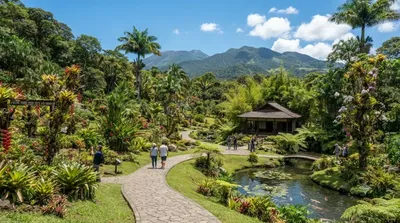
- Priority 2: Lankester Botanical Garden to see the orchid collections.
- Secondary: A trip up to the Irazú Volcano crater, which is best done as a half-day excursion.
- Can Wait: Smaller local museums and residential districts, unless you have a specific historical interest.
Pick your dates — we'll search Cartago hotels for you
Choose dates and guests, and the buttons below will open search results with your criteria. Prices differ between sites, so compare before you book.
 View on Booking.com
 View on Hotels.com
Things to see in Cartago
See all →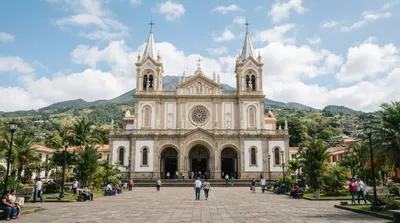
Temples & religious sites
Nuestra Señora de los Ángeles
A basilica dedicated to Costa Rica's patron saint, first built in 1639 and rebuilt after earthquake damage. The current building, blending colonial and Byzantine styles, was completed in 1939.
Zoos & aquariums
Lankester Botanical Garden
This botanical garden on the outskirts of Cartago, Costa Rica, is also a research facility run by the University of Costa Rica. Known as a center for orchid research in Central America and the Caribbean, it lets visitors see a wide variety of orchids.
Temples & religious sites
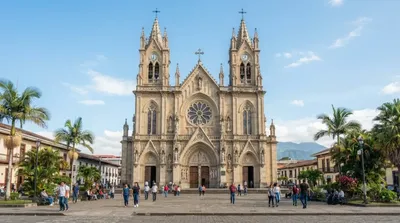
Our Lady of Carmel Cathedral, Cartago
A Catholic cathedral in Cartago, Costa Rica. As the city's foremost religious landmark, it's a peaceful place to explore.
Temples & religious sites
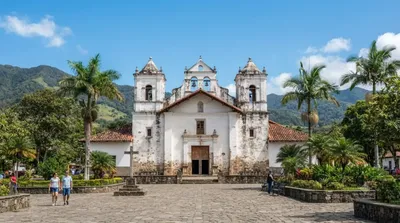
Orosi Church
A colonial-era church in the Orosi Valley near Cartago, known as the oldest church in Costa Rica still in use today. It has a simple, peaceful atmosphere.
More Cartago guides
Best value
Where to find the best value accommodation in Cartago, Costa Rica
5-star & luxury
Where to find luxury accommodations in Cartago, Costa Rica
Pool villas & resorts
Where to find pool villas and resorts in Cartago, Costa Rica
Family travel
Where to stay in Cartago for a family trip
Couples & honeymoon
Where to stay in Cartago for couples and honeymooners
Central & near stations
Where to stay in Cartago for central access and transport
Best time to visit
When is the best time to visit Cartago, Costa Rica?
Getting around
How to get around Cartago, Costa Rica
First-time guide guides for other destinations
Guantánamo
First-Timer Guide to Guantánamo, Cuba: Layout, Transport, and Practical Tips
Cetinje
How to Plan Your First Trip to Cetinje: Layout, Transport, and Key Sights
North Nicosia
First-timer's guide to visiting North Nicosia: borders, layout, and transit
Cienfuegos
First-Timer Guide to Cienfuegos: Layout, Transport, and Practical Tips