Shopping & districts
Carbon Market
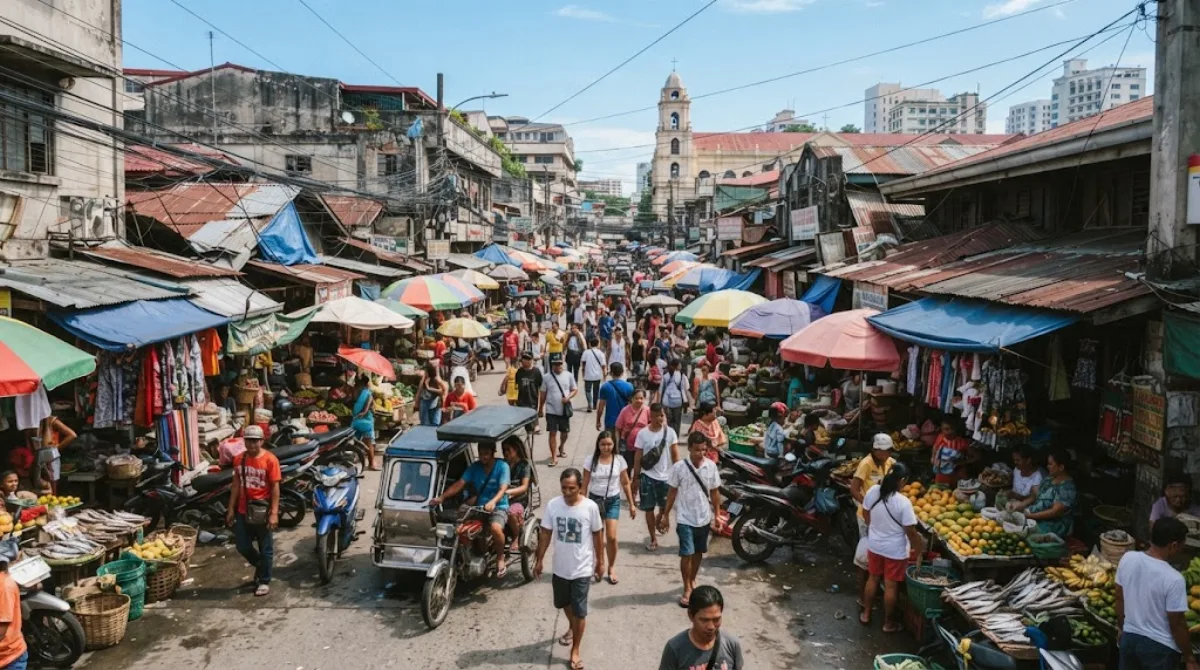
A working city market
Carbon Market is Cebu City's main public market, where locals do everyday shopping rather than tourists. Stalls are packed close together and split between dry goods — clothing, kitchenware, woven baskets and other handicrafts — and wet goods such as fruit, vegetables, meat and fish. It's a place to see how the city actually shops and eats, and a good stop for cheap produce, dried mangoes, or local snacks rather than souvenirs.
Getting there
Carbon Market sits within walking distance of downtown Cebu City, close to the historic core near Cebu Metropolitan Cathedral. From most points in the city centre it's a short taxi or jeepney ride, typically well under 15 minutes barring heavy traffic. Grab (ride-hailing) is a reliable option if you'd rather not navigate jeepney routes.
How long to stay
An hour is usually enough to walk through the main aisles and get a feel for the place. If you enjoy browsing stalls or plan to buy produce or dried goods to take home, allow closer to two hours.
When to go
Mornings tend to be busiest, when vendors are restocking and the wet market is in full swing — expect narrow, crowded walkways and some strong smells around the meat and fish sections. Afternoons are somewhat calmer. As with any dense, cash-based market, keep an eye on your belongings.
Combine with
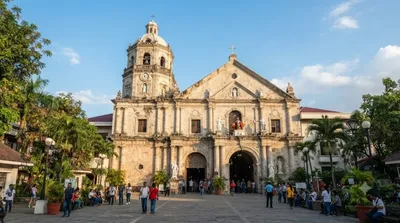
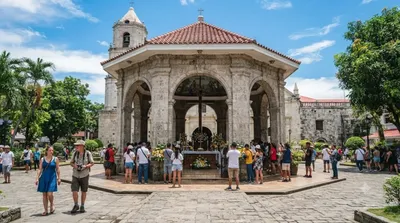
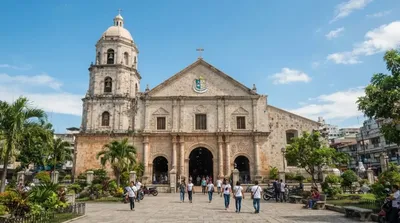
Carbon Market pairs naturally with Cebu City's historic religious sites nearby: Magellan's Cross and the Minor Basilica of the Holy Child are both about 0.4km away, while Cebu Metropolitan Cathedral and the Cathedral Museum of Cebu are roughly 0.7km away. All are walkable in the same outing.
Updated September 20, 2026 · Edited by the World by City editors
 GetYourGuide
 Klook
Klook
 Tiqets
 KKday
KKday
 WeGoTrip
 Booking.com
 Hotels.com