
Dammam · First-time guide
How to visit Dammam for the first time
August 29, 2026 · last updated · about 4 min read
City Layout and Districts
Dammam serves as the commercial hub of the Eastern Province. To navigate the city, think of it in three primary zones:
- The Corniche: The waterfront area featuring parks, walkways, and the city's primary leisure spots.
- The City Center: A dense mix of commercial offices, traditional markets, and residential blocks.
- The Industrial Zone: The outskirts focused on oil and gas logistics, which are generally not tourist destinations but drive the city's economy.
Note that Dammam is closely linked to Khobar; the two cities effectively merge into one metropolitan area, with Khobar offering more upscale dining and shopping.
Arrival and Local Transport
Entering the City: Many visitors arrive via Bahrain International Airport (BAH). To reach Dammam, you must cross the King Fahd Causeway, a bridge connecting the two countries. This requires a valid visa and passport check at the border. Transport from the airport to Dammam is typically handled via licensed taxis or ride-sharing apps.
Getting Around: Public transit is limited. Ride-sharing apps are the most reliable way to navigate the city. While taxis are available, apps provide transparent routing and pricing. Renting a car is a viable option for those comfortable with wide highways and high-speed traffic.
Common First-Timer Mistakes
- Underestimating the Heat: Visitors often try to walk between districts. Dammam is designed for cars; avoid walking long distances, especially from midday until late afternoon.
- Ignoring Dress Codes: While more relaxed than in the past, modest dress is still expected. Ensure shoulders and knees are covered in public spaces.
- Confusing Dammam with Khobar: Many visitors realize too late that the 'trendy' cafes and boutiques they seek are actually located in neighboring Khobar.
Suggested First-Trip Itinerary
For a first visit, prioritize these experiences in order:
- First: Visit the Dammam Corniche for a walk by the Arabian Gulf and explore the local fish markets.
- Second: Spend an afternoon in Khobar's shopping districts to see the modern side of the region.
- Third: Visit the regional museums to understand the area's oil history and heritage.
- Can Wait: Industrial site tours or deep excursions into the desert, which require more time and specific permits.
Pick your dates — we'll search Dammam hotels for you
Choose dates and guests, and the buttons below will open search results with your criteria. Prices differ between sites, so compare before you book.
 View on Booking.com
 View on Hotels.com
Things to see in Dammam
See all →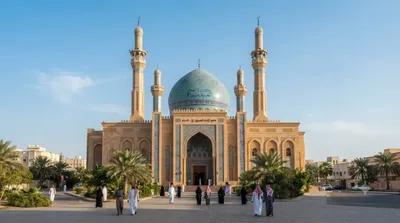
Temples & religious sites
Mosque of Imam Hussein
The only Shia mosque in Dammam, it was built with donations from local residents and named after Imam Hussein. With spacious prayer halls and a dedicated women's area, it serves as a central hub for the local faith community.
Castles & palaces
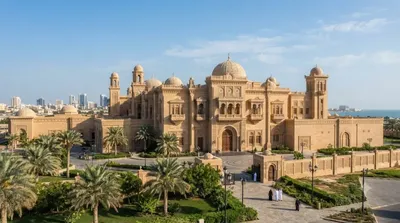
Al Faihani Palace
An old palace located in the village of Darin on Tarout Island, standing next to the fortress known as Darin Castle. It gained its current name after being restored by Muhammad bin Abdul Wahhab Al-Faihani in 1884–1885.
More Dammam guides
Best value
How to find the best value accommodation in Dammam
5-star & luxury
Where to stay in Dammam for a luxury experience
Pool villas & resorts
How to choose a pool villa or resort in Dammam, Saudi Arabia
Family travel
Where to stay in Dammam for a family trip
Couples & honeymoon
Where to stay in Dammam for couples and honeymooners
Central & near stations
Where to stay in Dammam for central access and transport
Best time to visit
When is the best time to visit Dammam, Saudi Arabia?
Getting around
How to get around Dammam, Saudi Arabia
First-time guide guides for other destinations
Guantánamo
First-Timer Guide to Guantánamo, Cuba: Layout, Transport, and Practical Tips
Cetinje
How to Plan Your First Trip to Cetinje: Layout, Transport, and Key Sights
North Nicosia
First-timer's guide to visiting North Nicosia: borders, layout, and transit
Cienfuegos
First-Timer Guide to Cienfuegos: Layout, Transport, and Practical Tips