Museums & galleries
Museum of Sa Huynh Culture
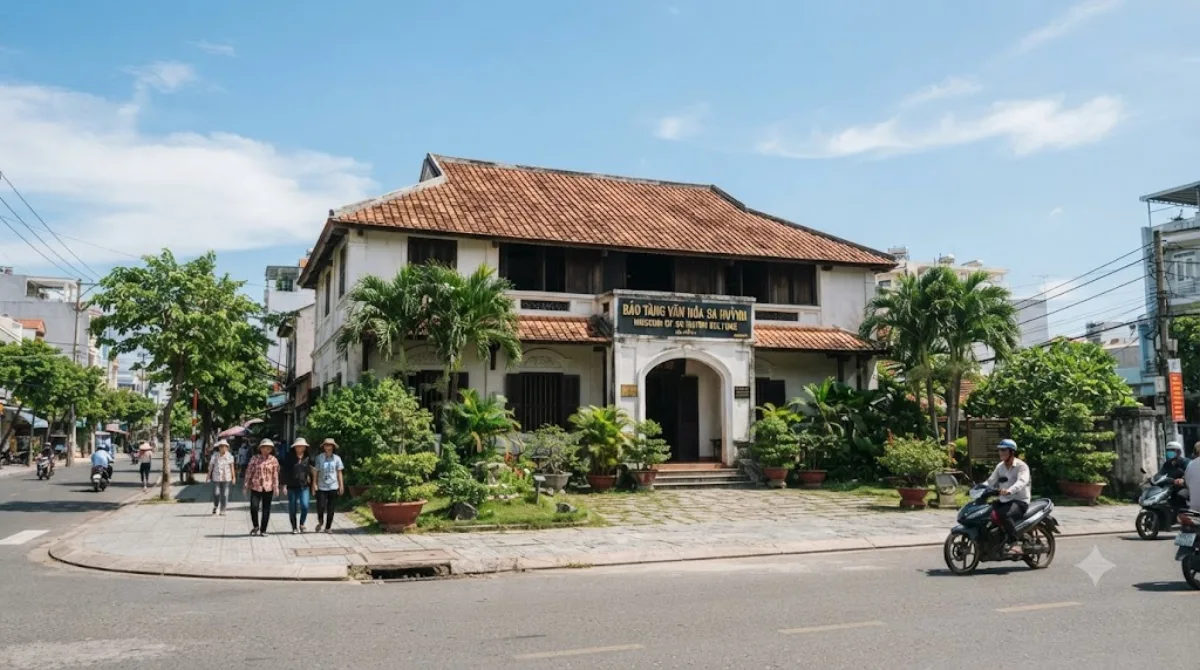
What it is
This small museum in Hoi An's Old Town displays terracotta pottery, jewellery and burial jars from the Sa Huỳnh culture, a prehistoric society that lived in central Vietnam before Cham civilization took hold. It's worth visiting if you want context on what existed in this region before the trading port era that Hoi An is normally associated with. The collection is modest in size, laid out over a couple of rooms with English-language labels.
Getting there
It sits inside the Old Town, so if you're staying centrally you can walk there in a few minutes. From the edge of the Old Town or a nearby hotel, expect a 10-15 minute walk; from further out, a taxi or bicycle ride takes about 10-15 minutes depending on traffic and river crossings.
How long to spend
Given its size, 20-30 minutes is enough to see the exhibits at a comfortable pace. It works well as a short stop rather than a dedicated half-day outing.
When to go
Mornings tend to be quieter and cooler for walking around the Old Town beforehand. The museum itself is small, so even light foot traffic can make it feel busy — visiting outside peak midday hours helps. Vietnam's central coast is hot and humid for much of the year, and the wet season (roughly September to December) brings heavier rain, so factor that into outdoor walking time between sights.
What to combine it with
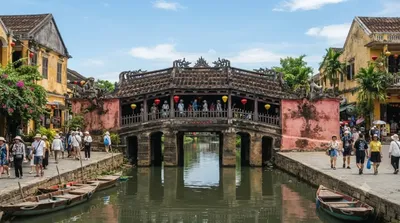
Its location makes it easy to pair with other Old Town sights on foot. The Japanese Bridge is just 0.1km away, the Museum of Trade Ceramics 0.3km, and Hoi An Museum 0.4km — all walkable in a single loop. The Precious Heritage Art Gallery Museum, 0.8km away, can be added if you have more time. Grouping these together makes for an efficient half-day covering several small museums and the bridge without much backtracking.
Updated September 20, 2026 · Edited by the World by City editors
 GetYourGuide
 Klook
Klook
 Tiqets
 KKday
KKday
 WeGoTrip
 Booking.com
 Hotels.com