Temples & religious sites
Sōfuku-ji Temple
What it is
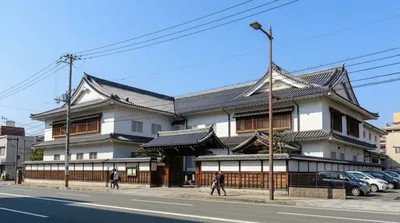
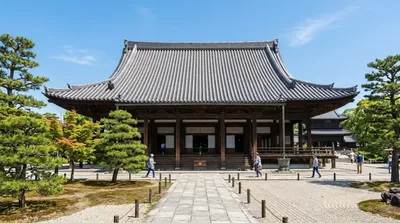
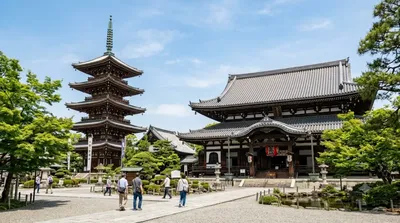
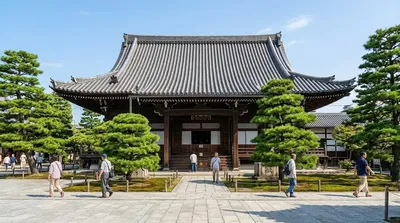
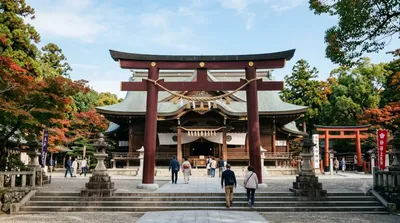
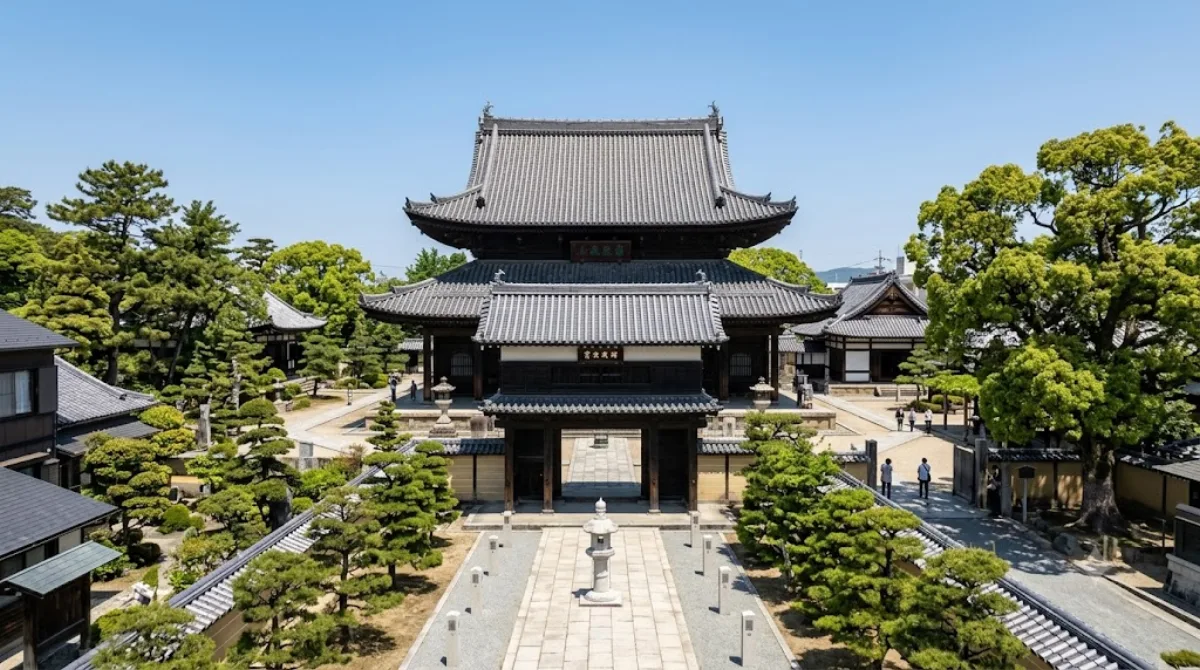
Sōfuku-ji is a Rinzai Zen temple in Hakata-ku, founded in 1240 in Dazaifu and relocated to its current site in 1600 when it became the family temple of the Kuroda clan, who ruled the Fukuoka domain. It's a working temple complex with gates, halls, and a cemetery area rather than a single standout monument, and it includes the graves of Kuroda family members. Travellers come here for the quiet, historic temple grounds and a sense of Fukuoka's feudal-era history, rather than for a famous landmark.
Getting there
The temple sits in Hakata-ku, a short trip from central Fukuoka. From Hakata Station or Tenjin, it's generally reachable by bus or a combination of subway and a short walk, with the journey typically taking around 15-20 minutes. A taxi from either area would take roughly 10 minutes depending on traffic.
Time to allow
Plan on 30-45 minutes to walk the grounds and see the main halls and gate areas. This isn't a large complex, so it works well as a stop rather than a half-day destination.
When to go
Mornings tend to be quieter and more pleasant for walking the grounds. As a working temple rather than a major tourist attraction, it generally doesn't draw large crowds, though it's worth checking if any events or ceremonies are scheduled during your visit, as access to certain areas may be limited at those times.
Combine it with
The Genkō Historical Museum is just 0.6km away and pairs naturally with an interest in the Kuroda-era and broader Kyushu history. Shōfuku-ji Temple (0.9km) and Tōchō-ji Temple (1.2km) are both within easy walking distance and make it simple to string together a short temple-focused route through Hakata-ku. Maidashi (0.8km) is also nearby if you want to extend the walk further.
Updated September 20, 2026 · Edited by the World by City editors
 GetYourGuide
 Klook
Klook
 Tiqets
 KKday
KKday
 WeGoTrip
 Booking.com
 Hotels.com