World by City

Temples & religious sites

Washio-atago Shrine
Washio-atago Shrine

Washio-atago Shrine

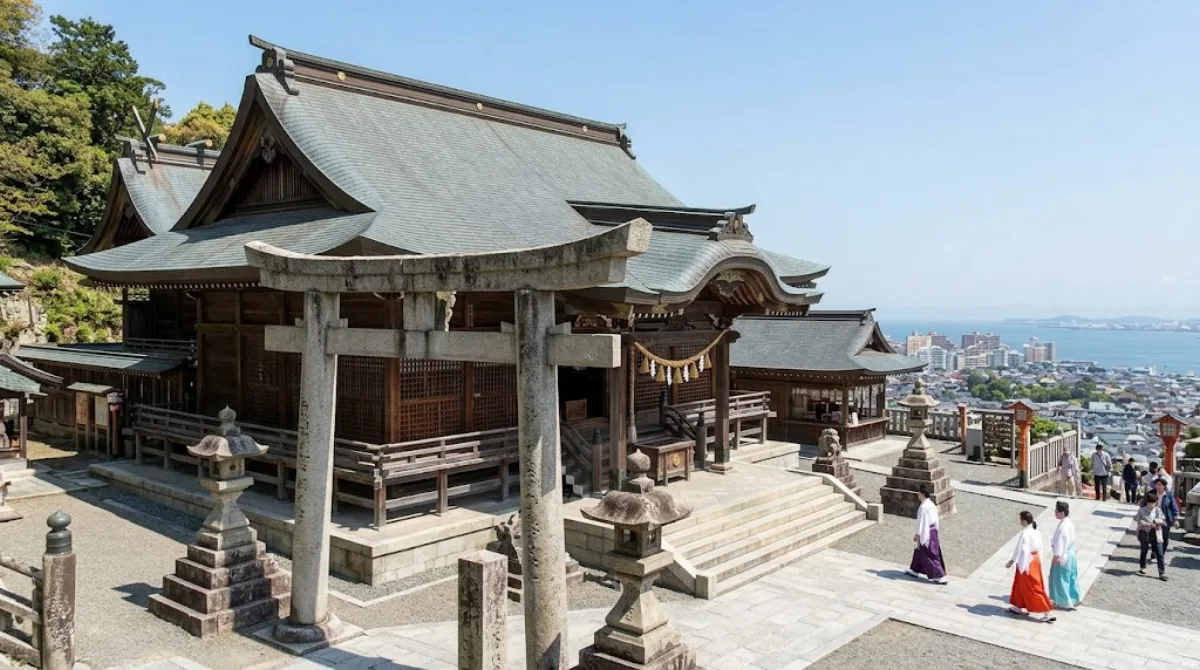
Washio-atago Shrine sits on Mount Atago in western Fukuoka, a modest hilltop shrine that combines two deities historically worshipped separately: Washio, associated with victory and safe travel, and Atago, associated with protection from fire. The main draw for visitors is less the shrine buildings themselves than the setting — the approach and grounds offer a clear view over Hakata Bay and the city, which is unusual for a shrine this close to central Fukuoka.

From central Fukuoka, the shrine is reached by taking a train or bus toward the Muromi or Atagoyama area and then walking up the hill; the walk itself takes 15–20 minutes depending on the route and involves a steady climb, including a flight of stone steps near the top. It is not accessible by car all the way to the summit, so plan for the uphill walk regardless of how you arrive at the base.

Time to allow

Most visitors spend 30–45 minutes at the shrine itself, including time to take in the view. Add extra time if you plan to walk up slowly or rest partway.

When to go

Late afternoon toward sunset is popular because of the bay view, so expect more people around dusk, especially on clear days and weekends. Mornings tend to be quieter. Because the approach is a hill climb, avoid it in heavy rain or very hot weather if you'd rather not arrive out of breath.

Combining with other sights

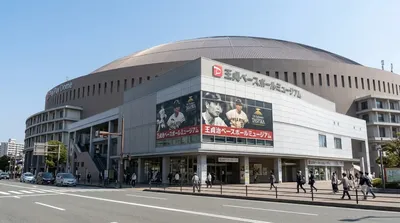
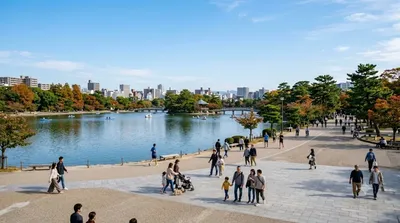
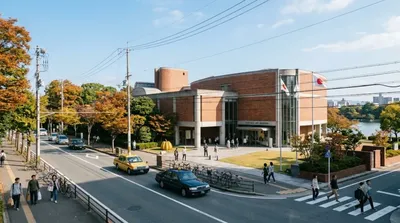
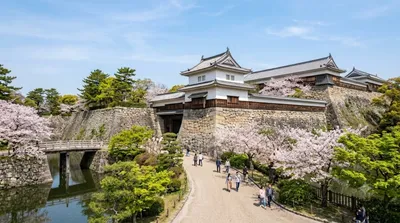
The shrine is somewhat separate from Fukuoka's central museum and park cluster. The Oh Sadaharu Baseball Museum (2.7km), Ōhori Park (3.9km), Fukuoka Art Museum (4.2km), and Fukuoka Castle ruins (4.5km) are all within a few kilometres and can be grouped into a single day, with the shrine visit best scheduled either before heading into that area or as a late-afternoon/evening stop afterward given the sunset views.

Sources: open data from Wikipedia and OpenStreetMap · Updated August 5, 2026 · Edited by the World by City editors

Tickets & tours

Admission prices and opening hours change often, so we don't list them here. Check what's on sale and at what price below — booking ahead can cut the queue at some places.

This place may not appear in the results — some sites are free to enter or sell tickets only at the gate.

Stays near Washio-atago Shrine

Sorted by distance, walkable ones first. Distances are straight-line.

Map © OpenStreetMap contributors. Lines are straight connections, not actual routes.

Washio-atago Shrine Nearby stays

Locations and names come from OpenStreetMap. Check prices and availability on the booking sites.

Good to visit alongside

Oh Sadaharu Baseball Museum

Museums & galleries

Oh Sadaharu Baseball Museum

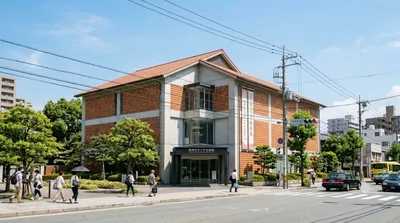
오 사다하루 베이스볼 뮤지엄(일본어: 王貞治ベースボールミュージアム 오사다하루베스보루뮤지아무[*])은 오 사다하루의 노력을 기울여 만들어진 박물관이다. 2010년 7월 3일, 후쿠오카현 후쿠오카시 주오구의 야후 돔에 개관했다. 운영은 후쿠오카 소프트뱅크 호크스 마케팅 주식회사가 하고 있다.

2.7 km away

Ōhori Park

Parks & gardens

Ōhori Park

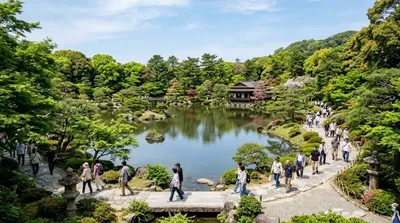
Ōhori Park is a park in Chūō-ku, Fukuoka, Japan and a registered Place of Scenic Beauty.

3.9 km away

Fukuoka Art Museum

Museums & galleries

Fukuoka Art Museum

Fukuoka Art Museum is an art museum in Fukuoka, Japan. It contains a notable collection of Western and Asian art, and exhibits various temporary exhibitions. In November 2010 it hosted a large exhibition of Marc Chagall's work.

4.2 km away

Fukuoka Castle

Castles & palaces

Fukuoka Castle

Fukuoka Castle is a Japanese castle located in Chūō-ku, Fukuoka, Japan. It is also known as Maizuru Castle or Seki Castle. Completed in the early Edo period for tozama daimyō Kuroda Nagamasa, it has been designated a National Historic Site of Japan in 1957.

4.5 km away

Fukuoka Oriental Ceramics Museum

Museums & galleries

Fukuoka Oriental Ceramics Museum

Fukuoka Oriental Ceramics Museum opened in Fukuoka, Japan, in 1999. The rotating displays of Chinese, Korean, and Japanese ceramics draw from the collection of some four hundred pieces.

4.6 km away

Yūsentei Park

Parks & gardens

Yūsentei Park

Yūsentei Park is a park in Jōnan-ku, Fukuoka, Japan. It was originally built in the mid-Edo period (1754) for Kuroda Tsugutaka, the 6th domain head of the Kuroda clan. It was named Yūsentei after a later lord's tanka poetry.

4.6 km away