Museums & galleries
Fukuoka Art Museum
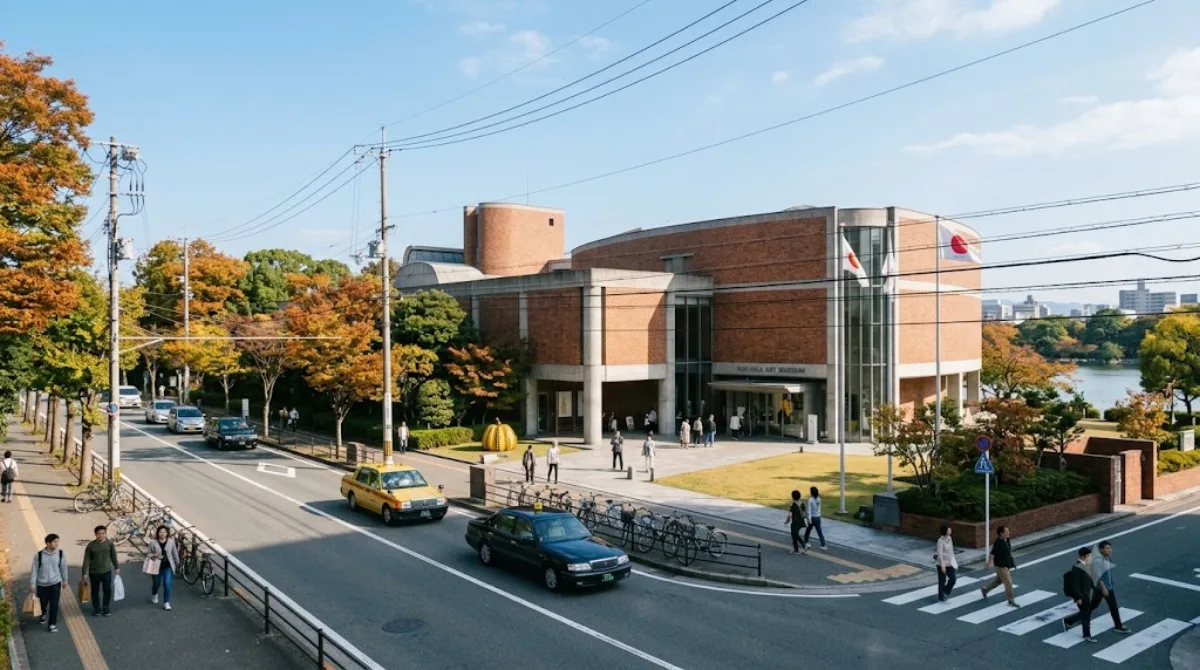
Fukuoka Art Museum
This museum holds a permanent collection spanning Western modern art (including Salvador Dalí, Miró and other 20th-century names) alongside Japanese and Asian works, including Buddhist art and pieces tied to the Kuroda clan, former rulers of the Fukuoka domain. It also runs rotating temporary exhibitions, so what's on display beyond the permanent collection changes throughout the year. It suits travellers who want an indoor art stop that mixes European and Asian works rather than a purely local-history museum.
Getting there
The museum sits inside Ōhori Park on the western edge of central Fukuoka. From the Tenjin area it's roughly a 15-20 minute walk, or a short taxi/bus ride of about 10 minutes. If arriving by subway, the nearest stations are a 10-15 minute walk away, so many visitors combine the trip with a stroll through the park itself.
Time to allow
Plan on one to two hours to see the permanent collection and a temporary exhibition at an unhurried pace; closer to 45 minutes if focusing only on the permanent galleries.
When to go
Weekday mornings tend to be quieter. Special temporary exhibitions featuring well-known artists can draw larger crowds, particularly on weekends, so check what's currently showing if you prefer a calmer visit. Because most of the experience is indoors, it also works well as a rainy-day option.
Combine it with
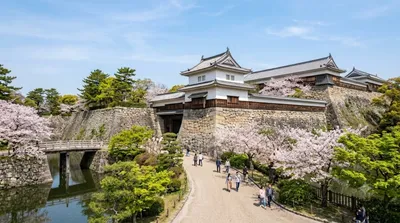
- Fukuoka Castle ruins (0.3km) — the closest stop, an easy add-on before or after the museum.
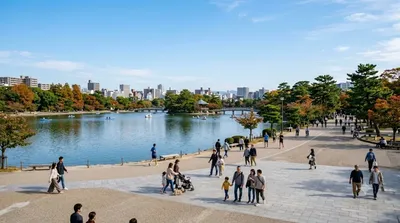
- Ōhori Park (0.4km) — the museum sits within this park, ideal for a walk around the pond.
- Kōrokan ruins (0.6km) — a short walk further for those interested in archaeology and ancient trade history.
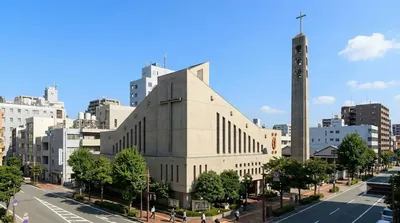
- Our Lady of Victory Cathedral (1.6km) — a longer walk or a quick taxi ride if continuing on to the cathedral.
Updated September 20, 2026 · Edited by the World by City editors
 GetYourGuide
 Klook
Klook
 Tiqets
 KKday
KKday
 WeGoTrip
 Booking.com
 Hotels.com