Heritage & monuments
Kōrokan
What it is
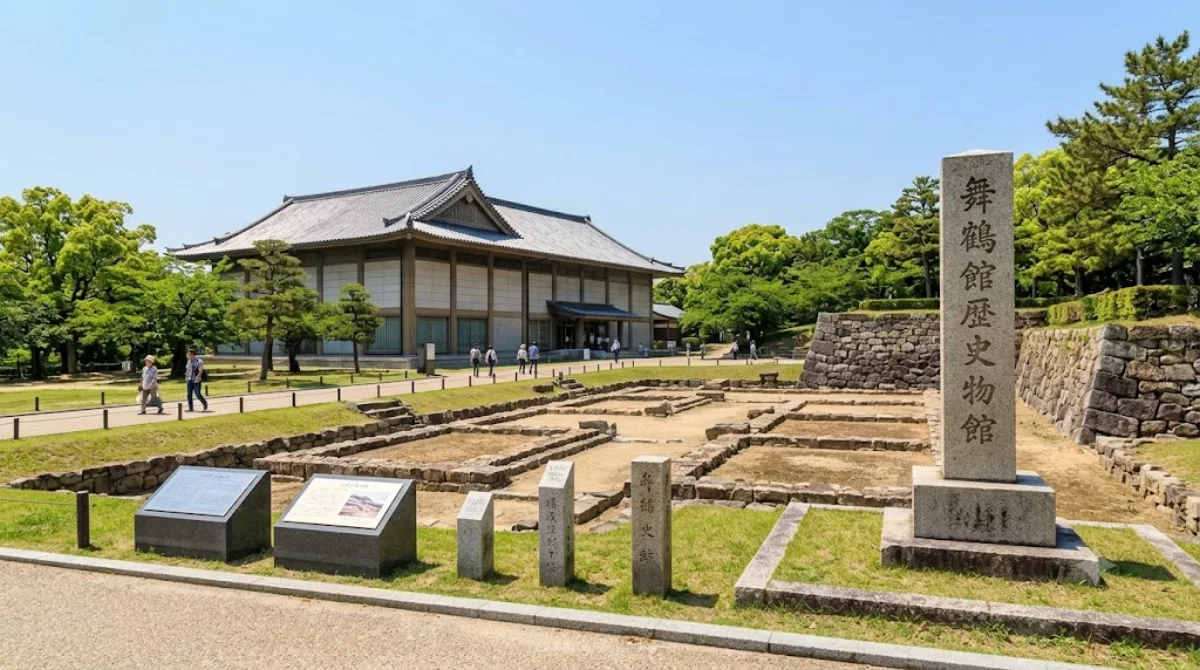
The Kōrokan was a state-run guest house for foreign envoys, monks, and traders who arrived in Japan by sea, in use from the Asuka period through the end of the Heian period. Fukuoka's version stood at the port that handled traffic with the Asian continent, alongside similar facilities in Osaka and Kyoto. The site was rediscovered in 1987 within Maizuru Castle Park and later designated a National Historic Site. What's there now is an archaeological site: excavated building foundations, wells, and drainage features, with an on-site exhibition hall showing artifacts recovered from the digs, including ceramics linked to trade with China and the Korean peninsula. It suits visitors interested in early Japanese diplomatic and trade history rather than those looking for a reconstructed monument.
Getting there
It sits inside Maizuru Castle Park, within walking distance of central Fukuoka. From the Tenjin area, it's roughly a 15-20 minute walk, or a short bus or taxi ride if you'd rather not walk.
Time to allow
Most visitors spend 30 to 60 minutes here, enough to walk the excavated grounds and look through the exhibition hall.
When to go
This is an outdoor archaeological site, so a dry day makes it easier to appreciate the foundations and layout. It's not a high-traffic stop compared with the castle ruins next door, so crowding isn't a major concern at any time of day.
Combine it with
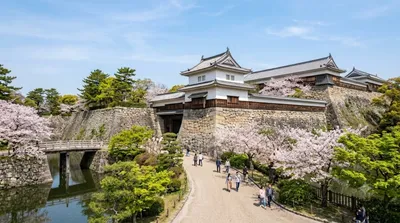
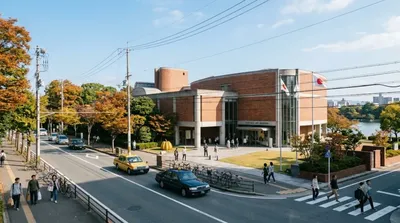
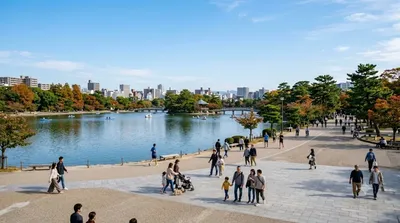
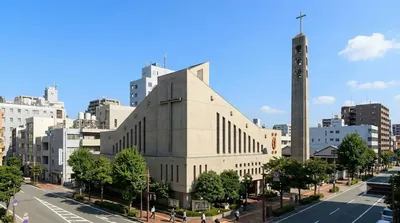
The Kōrokan sits right next to Fukuoka Castle ruins (0.3km), making the two a natural pairing within the same park. Fukuoka Art Museum (0.6km) and Ōhori Park (0.9km) are both close enough to add on for a longer walk through the same area, and Our Lady of Victory Cathedral (1km) is within reach if you want to extend the outing further.
Updated September 20, 2026 · Edited by the World by City editors
 GetYourGuide
 Klook
Klook
 Tiqets
 KKday
KKday
 WeGoTrip
 Booking.com
 Hotels.com