
Hong Kong · Getting around
How to use public transport in Hong Kong
August 29, 2026 · last updated · about 4 min read
Transport Modes and When to Use Them
Hong Kong is one of the most connected cities globally. Choosing the right mode depends on your destination and the terrain.
- MTR (Mass Transit Railway): The primary choice for speed and efficiency. It wins for long-distance trips across Kowloon and Hong Kong Island.
- Buses and Minibuses: Essential for reaching areas the MTR does not cover, such as the Peak or outlying islands. Minibuses are faster but have limited seating.
- Trams (Ding Dings): Exclusive to Hong Kong Island. They are slow and budget-friendly, ideal for sightseeing through Central and Causeway Bay.
- Star Ferry: The best way to cross Victoria Harbour between Tsim Sha Tsui and Central.
Payment and Passes
The Octopus Card is the standard stored-value card used for almost all transport and many retail stores. It is highly recommended for all visitors to avoid carrying exact change for buses and trams.
The card may not suit those staying for a very short period who prefer using contactless credit cards, though the MTR and some buses now accept contactless payments.
Airport to City Transfers
From Hong Kong International Airport (HKG), travelers have three main options:
- Airport Express: The fastest option. It reaches Central/Kowloon in under 25 minutes with minimal effort. Cost band: High.
- Airport Bus: Extensive coverage to various districts. It takes longer and is subject to traffic. Cost band: Low to Medium.
- Taxi: Direct door-to-door service. Effort is lowest, but travel time varies by traffic. Cost band: Medium to High.
Practical Notes
- Rush Hours: Avoid the MTR between 08:00-09:00 and 18:00-19:00 due to extreme crowding.
- Luggage: MTR stations have elevators, but some older exits are stairs-only. Large suitcases are discouraged on minibuses.
- Accessibility: Most MTR stations and newer buses are wheelchair accessible.
- Last Services: Most MTR lines stop operating around midnight.
Pick your dates — we'll search Hong Kong hotels for you
Choose dates and guests, and the buttons below will open search results with your criteria. Prices differ between sites, so compare before you book.
 View on Booking.com
 View on Hotels.com
Things to see in Hong Kong
See all →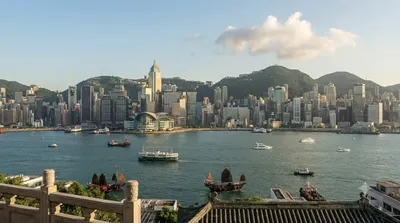
Nature
Hong Kong Island
Hong Kong Island is where the city's political and commercial activity is concentrated, making it the central district that represents Hong Kong. Walking through the city streets, you can experience the vibrant energy of Hong Kong.
Views & landmarks
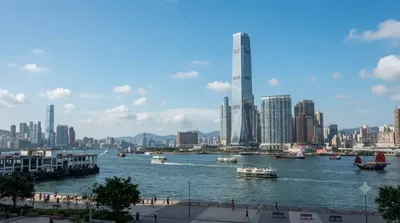
International Commerce Centre
The International Commerce Centre is a 484-meter, 118-story skyscraper in Kowloon, Hong Kong. Located in Union Square above Kowloon Station, it's a landmark that defines Hong Kong's skyline.
Views & landmarks
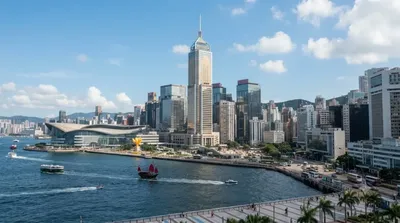
Central Plaza
Central Plaza is a 78-story skyscraper in Hong Kong that became known as Asia's tallest building upon its completion in 1992. It is considered a landmark that defines the city's skyline.
Nature
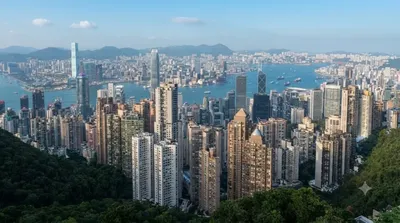
Victoria Peak
Victoria Peak is the highest point on Hong Kong Island, reachable by the Peak Tram or by bus. The view from the summit over Hong Kong Island and Victoria Harbour is striking.
More Hong Kong guides
Best value
Where to stay in Hong Kong for the best value
5-star & luxury
Where to stay in Hong Kong for a luxury experience
Pool villas & resorts
How to choose a pool villa or resort in Hong Kong
Family travel
Where to stay in Hong Kong for a family trip
Couples & honeymoon
Where to stay in Hong Kong for couples and honeymooners
Central & near stations
Where to stay in Hong Kong for central access and transport convenience
Best time to visit
When is the best time to visit Hong Kong?
First-time guide
How to plan your first trip to Hong Kong
Getting around guides for other destinations
Guantánamo
How to Get Around Guantánamo and Travel from Antonio Maceo Airport
Cetinje
How to Get Around Cetinje and Travel from Podgorica Airport
North Nicosia
How to get around North Nicosia and travel from Larnaca Airport
Cienfuegos
How to get around Cienfuegos: transport options and airport transfers