
Valletta · Best time to visit
When is the best time to visit Valletta, Malta?
August 29, 2026 · last updated · about 4 min read
Seasonal Weather and Atmosphere
Valletta's Mediterranean climate creates distinct experiences throughout the year. Because the city is a compact peninsula, you will spend most of your time walking outdoors.
Spring (March to May)
Temperatures are mild and the city is lush. Daylight increases rapidly, making it ideal for walking the fortifications. Crowds are moderate, and the air is fresh before the summer heat arrives.
Summer (June to August)
This is the peak tourist season. The weather is hot and dry with long daylight hours. While perfect for sea views, the limestone streets reflect heat, making midday walks intense. Crowds are at their highest, and availability for accommodation decreases.
Autumn (September to November)
The sea remains warm enough for swimming into October. Temperatures gradually drop, and the heavy summer crowds thin out. October and November bring more rainfall, though it usually occurs in short bursts.
Winter (December to February)
Winters are cool and damp but rarely freezing. The city is quiet, offering a peaceful atmosphere for museum visits. Daylight is shorter, and some outdoor activities are limited by wind and rain.
Choosing Your Month
- For Sightseeing: April, May, and October offer the best balance of comfortable temperatures and manageable crowds.
- For Beach and Sea: July and August are best for water activities, though you must prepare for high humidity and congestion.
- For Budget and Quiet: November to February are the slowest months, typically resulting in lower demand for rentals.
Local Events and Pricing
Prices for flights into Malta International Airport (MLA) and local stays peak during July and August. The Carnival period (usually February) and the Feast of St. Paul bring localized crowds and festive activity to the streets, which may affect transport flow.
Packing Essentials
- Spring/Autumn: Light layers and a waterproof jacket for unpredictable showers.
- Summer: Breathable linen clothing, high-SPF sunscreen, and a wide-brimmed hat to combat the direct sun.
- Winter: A medium-weight coat and sturdy, water-resistant walking shoes for the limestone pavements.
Pick your dates — we'll search Valletta hotels for you
Choose dates and guests, and the buttons below will open search results with your criteria. Prices differ between sites, so compare before you book.
 View on Booking.com
 View on Hotels.com
Things to see in Valletta
See all →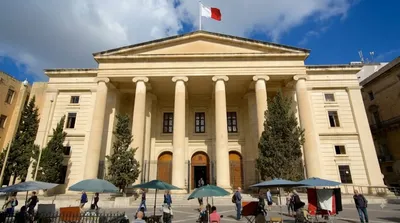
Nature
Malta
Malta is an island in Southern Europe. It is the largest and most populous of the three major islands that constitute the Maltese Archipelago and the country of Malta. The island is situated in the Mediterranean Sea directly south of Italy and north of Libya. It lies south-east of the smaller islands of Gozo and Comino. The island is 27 kilometres (17 mi) long and 14.5 kilometres (9 mi) wide, with a total area of 246 square kilometres (95 sq mi). The capital is Valletta, while the largest locality is Rabat. The island is made up of many small towns, which together form one larger urban zone wi...
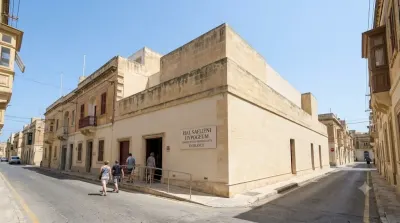
Heritage & monuments
Hypogeum of Ħal Saflieni
This underground site in Paola, Malta, was built between roughly 3300 and 3000 BC. It's the only surviving prehistoric underground burial complex of its kind, offering a glimpse into a unique piece of history.
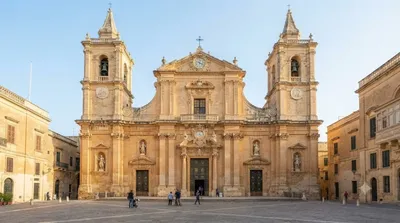
Temples & religious sites
St. John's Co-Cathedral
A Catholic co-cathedral in Valletta, Malta, dedicated to St. John the Baptist. It was built by the Knights of St. John between 1573 and 1578, making it a venerable historic church.
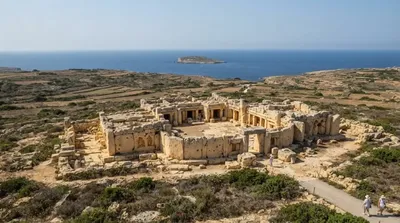
Heritage & monuments
Mnajdra
Mnajdra is a megalithic temple complex on Malta's southern coast, believed to have been built from limestone around 3600 BC. It is considered one of the oldest religious sites on Earth and is listed as a UNESCO World Heritage Site.
More Valletta guides
Best value
Where to stay in Valletta for the best value
5-star & luxury
Where to stay for a luxury experience in Valletta, Malta
Pool villas & resorts
Where to find pool villas and resorts near Valletta, Malta
Family travel
Where to stay in Valletta for a family trip
Couples & honeymoon
Where to stay in Valletta for a romantic getaway or honeymoon
Central & near stations
Where to stay in Valletta for central access and transport
First-time guide
How to visit Valletta Malta for the first time
Getting around
How to get around Valletta and navigate Valletta, Malta
Best time to visit guides for other destinations
Guantánamo
When is the best time to visit Guantánamo, Cuba?
Cetinje
The Best Time to Visit Cetinje: Weather, Crowds, and Season Guide
North Nicosia
When to Visit North Nicosia: Weather, Seasons, and Practical Advice
Banja Luka
The Best Time to Visit Banja Luka for Good Weather and Outdoor Activities