World by City

Museums & galleries

Palatine Hill
Open in Maps
Palatine Hill

Palatine Hill

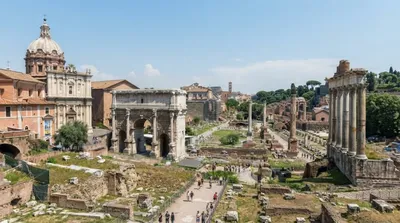
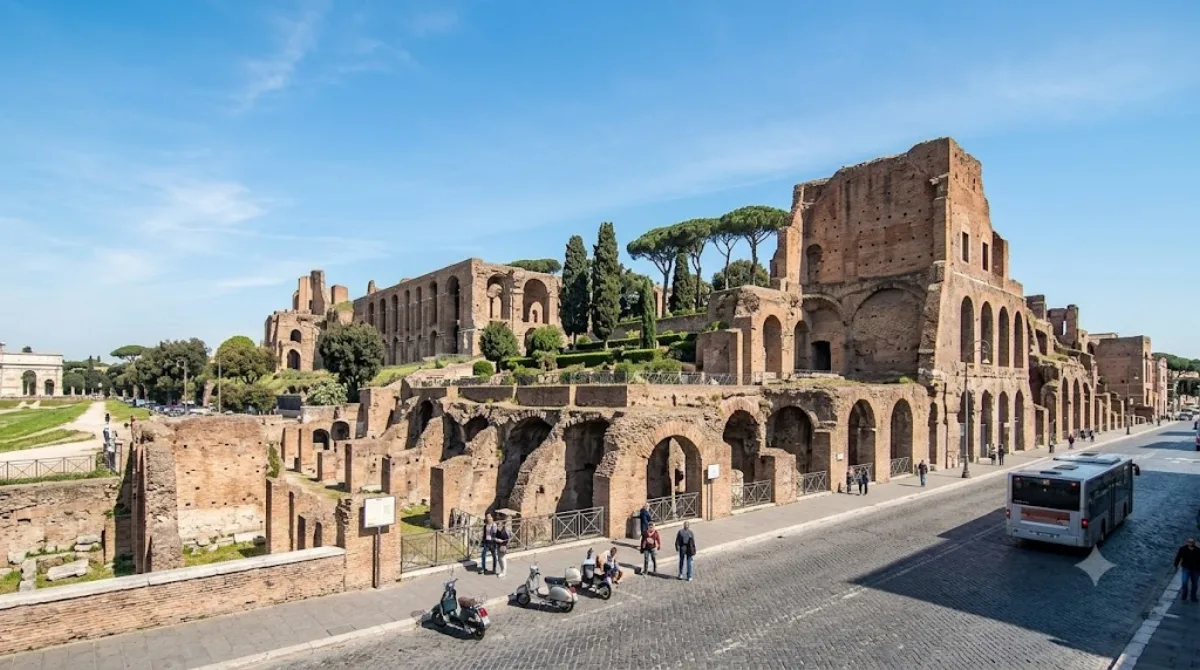
Palatine Hill is one of the seven hills of Rome and the site of the earliest settlements in the city. It contains the ruins of imperial palaces, including those of Emperor Augustus and his successors. Visitors go here to explore the archaeological remains of ancient Roman residences and to view the Roman Forum from an elevated vantage point.

Getting There

The site is located within the historic center of Rome. From the city center, it is accessible via public bus or by walking. Depending on the starting point, the journey typically takes 15 to 30 minutes.

Time Required

Allow approximately 2 to 3 hours to walk through the ruins and navigate the paths of the hill.

When to Visit

The site is an open-air archaeological area and gets crowded, particularly during the peak summer months. Visiting in the early morning or late afternoon helps avoid the strongest heat and the largest crowds. Autumn and spring offer more moderate temperatures for walking.

Nearby Attractions

Because of its location, this site can be combined with other nearby ruins. Within walking distance, you can find:

  • Circus Maximus (0.3km)
  • Arch of Titus (0.3km)
  • Arch of Constantine (0.3km)
  • Temple of Vesta (0.4km)

Updated September 8, 2026 · Edited by the World by City editors

Tickets & tours

Admission prices and opening hours change often, so we don't list them here. Check what's on sale and at what price below — booking ahead can cut the queue at some places.

This place may not appear in the results — some sites are free to enter or sell tickets only at the gate.

Stays near Palatine Hill

Sorted by distance, walkable ones first. Distances are straight-line.

Map and place data © OpenStreetMap contributors

Palatine Hill Nearby stays

Check prices and availability on the booking sites.

Pick your dates — we'll search Vatican City hotels for you

Choose dates and guests, and the buttons below will open search results with your criteria. Prices differ between sites, so compare before you book.

Hotel membership

Staying at Accor hotels often? ALL Accor+ Explorer

A paid annual membership. It includes two free nights a year across Asia-Pacific, 30% off dining and 15% off drinks, and 15% off stays at more than 4,500 hotels worldwide.

Explore the membership

Good to visit alongside

Circus Maximus

Heritage & monuments

Circus Maximus

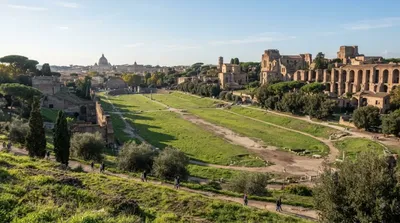
The Circus Maximus is the ruined site of ancient Rome's largest chariot racing stadium, located between the Palatine and Aventine Hills. It is now a public park where visitors can still sense the scale of the original arena.

0.3 km away

Arch of Titus

Heritage & monuments

Arch of Titus

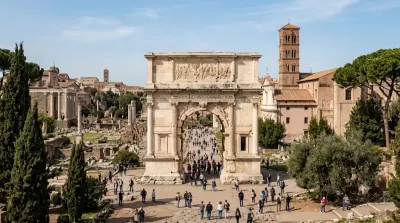
The Arch of Titus is an ancient triumphal arch standing on the Via Sacra near the Roman Forum. Built in the 1st century AD, it is renowned for its reliefs commemorating the victory over the Jewish revolt, making it a must-see on any tour of Rome's ruins.

0.3 km away

Arch of Constantine

Heritage & monuments

Arch of Constantine

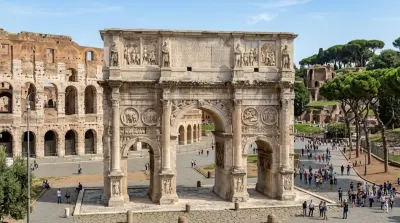
A triumphal arch in Rome, built to mark the tenth anniversary of Constantine I's reign. The battle scenes carved into its reliefs offer a glimpse into ancient Roman history.

0.3 km away

Temple of Vesta

Temples & religious sites

Temple of Vesta

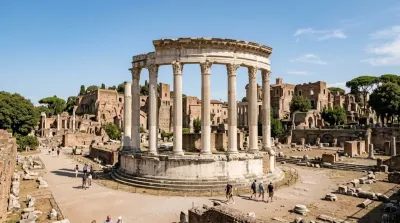
The Temple of Vesta is an ancient temple surviving in the Roman Forum, notable for its circular plan ringed with Corinthian columns. Dedicated to a goddess worshipped in Roman households since early times, it lets visitors experience both ancient Roman faith and architecture.

0.4 km away

Roman Forum

Parks & gardens

Roman Forum

This ancient Roman site remains at the heart of Rome's historic center, once surrounded by government buildings around a central square. Walking through it, visitors can sense the traces of what was once the heart of ancient Rome.

0.5 km away

Temple of Saturn

Temples & religious sites

Temple of Saturn

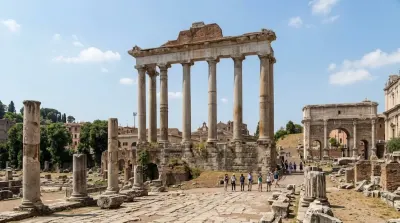
The Temple of Saturn is an ancient temple ruin at the western end of the Roman Forum, at the foot of the Capitoline Hill. Dating back to 497 BC, it is considered a must-see stop on any tour of Rome's ancient ruins.

0.5 km away