Museen & Galerien
Fuerte de San Pedro
Fort San Pedro
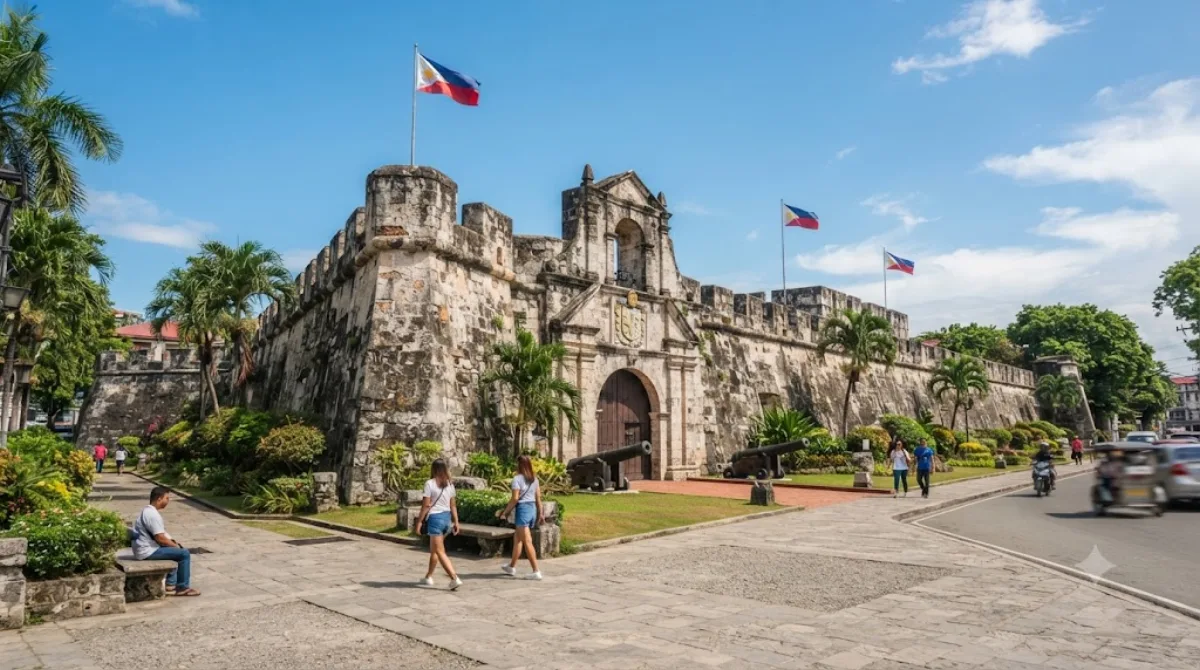
Fort San Pedro
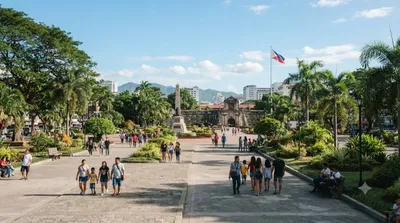
Das Fort San Pedro ist eine Festungsanlage aus der spanischen Kolonialzeit, die als Zentrum der ersten spanischen Siedlung in Cebu diente. Die heutige Steinstruktur wurde 1738 fertiggestellt und ist die älteste erhaltene Bastion in Dreiecksform auf den Philippinen. Besucher kommen hierher, um die koloniale Militärarchitektur zu besichtigen und die historischen Ausstellungen im Inneren zu erkunden.
Anreise und Dauer
Die Festung liegt im Stadtzentrum von Cebu. Die Anreise erfolgt am einfachsten mit einem lokalen Taxi oder einem Jeepney. Da sich die Anlage zentral befindet, dauert die Fahrt von den meisten zentralen Unterkünften nur wenige Minuten.
Für den Rundgang durch die Anlage und die Besichtigung der Ausstellungsräume sollte man etwa 1 bis 2 Stunden einplanen.
Besuchszeit und Tipps
Aufgrund der offenen Bauweise und der starken Sonneneinstrahlung empfiehlt sich ein Besuch in den frühen Morgenstunden oder am späten Nachmittag. Während der Hauptreisezeit und an Wochenenden kann es innerhalb der Mauern voll werden.
Kombinationsmöglichkeiten
Aufgrund der zentralen Lage lässt sich der Besuch gut mit anderen Sehenswürdigkeiten verbinden, die in kurzer Distanz liegen:
- Plaza Independencia: 0,1 km entfernt
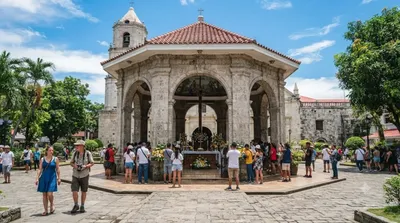
- Magellan’s Cross: 0,4 km entfernt
- Plaza Sugbu: 0,4 km entfernt
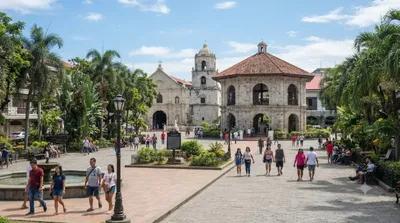
- Cathedral Museum of Cebu: 0,5 km entfernt
Aktualisiert 20. September 2026 · Redaktion die World by City-Redaktion
 GetYourGuide
 Klook
Klook
 Tiqets
 KKday
KKday
 WeGoTrip
 Booking.com
 Hotels.com