Tempel & Sakralbauten
Heian-jingū
Heian Jingū
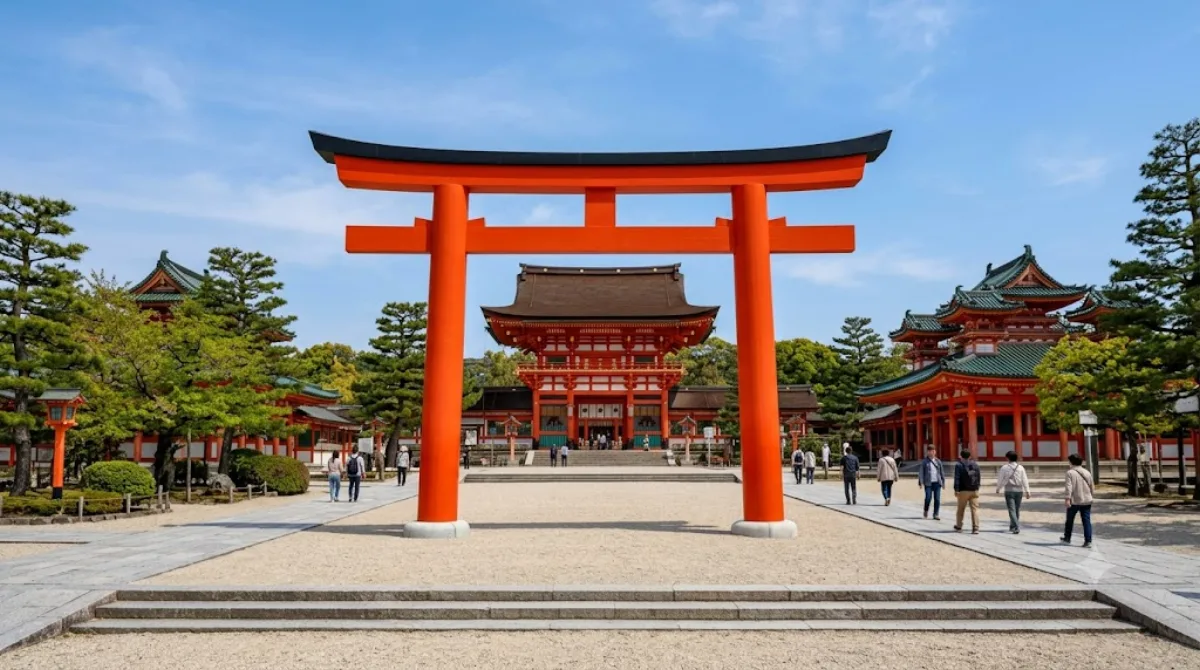
Heian Jingū
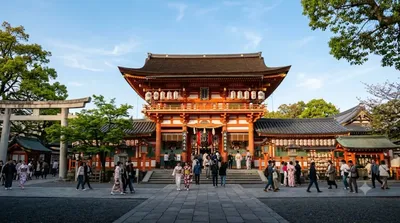
Der Heian Jingū ist ein Shinto-Schrein in Kyoto, der 1895 anlässlich des 1100. Jahrestages der Gründung der Stadt Heian-kyo errichtet wurde. Die Anlage ist eine maßstabsgetreue Nachbildung des ehemaligen kaiserlichen Heian-Palastes. Besucher kommen hierher, um die Architektur des Ōtenmon-Tors und der Daigokuden-Halle zu sehen, die sich durch rote Säulen und grüne Ziegel vom Stil anderer Tempel in Kyoto unterscheiden.
Anreise und Zeitplanung
Vom Stadtzentrum Kyotos aus ist der Schrein mit öffentlichen Verkehrsmitteln oder einem Taxi erreichbar. Die Fahrtzeit beträgt je nach Startpunkt in der Innenstadt etwa 15 bis 20 Minuten. Für den Besuch des Geländes und der Gebäude sollte man etwa 1 bis 2 Stunden einplanen.
Besucherinformationen
Der Schrein ist ganzjährig zugänglich. Aufgrund seiner Größe und Bekanntheit kann es insbesondere an Wochenenden und während japanischer Feiertage sowie zur Kirschblütenzeit sehr voll werden. Ein Besuch in den frühen Morgenstunden ist eine Option, um größeren Menschenmengen auszuweichen.
Kombinationsmöglichkeiten
Aufgrund der Lage lassen sich weitere Sehenswürdigkeiten in der Umgebung integrieren:
- National Museum of Modern Art, Kyoto: 0,5 km entfernt
- Nanzen-ji Tempel: 1,3 km entfernt
- Sanjō Ōhashi Brücke: 1,3 km entfernt
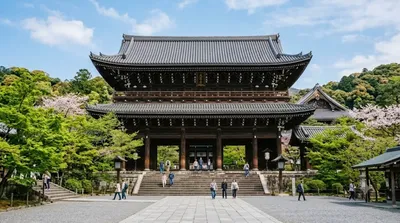
- Chion-in Tempel: 1,3 km entfernt
Aktualisiert 20. September 2026 · Redaktion die World by City-Redaktion
 GetYourGuide
 Klook
Klook
 Tiqets
 KKday
KKday
 WeGoTrip
 Booking.com
 Hotels.com