World by City

Tempel & Sakralbauten

가모와케이카즈치 신사

Kamigamo Shrine

가모와케이카즈치 신사

가모와케이카즈치 신사(賀茂別雷神社)는 교토시 기타구에 있는 신사이다. 통칭 가미가모 신사(上賀茂神社)로 불리는 일이 많다. 연희식(延喜式)에 기록되어 있는 절의 하나이자, 야마시로국의 이치노미야(一宮), 22사의 하나이며 옛 사격은 관폐대사(官幣大社)이다.

Kamigamo Shrine

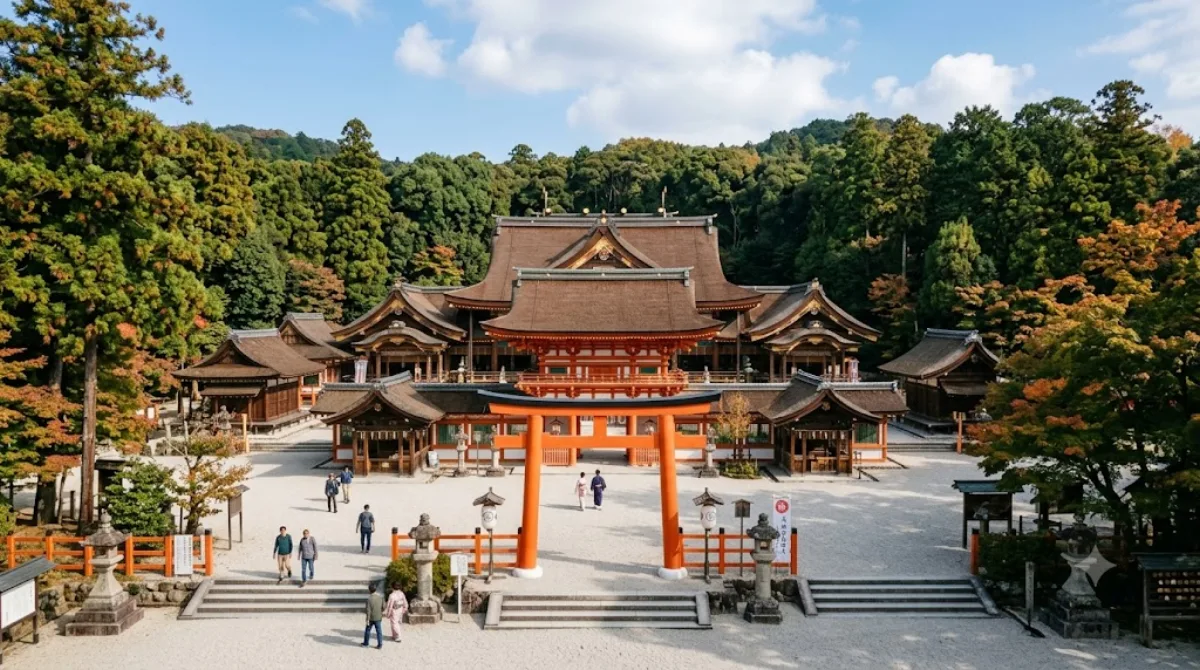
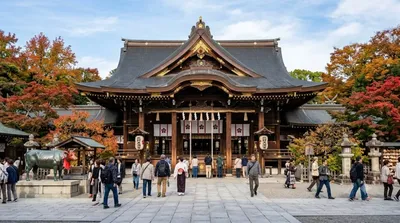
Kamigamo Shrine is one of Kyoto's oldest Shinto sites, with roots going back to the late 7th century. It sits at the edge of the city, where the Kamo River still runs close by, and the complex has a spread-out, unhurried feel: wide gravel courtyards, a pair of conical sand mounds near the entrance, and a cluster of vermilion-and-cypress buildings that form the main hall. Along with its sister site, Shimogamo Shrine, it's considered one of the two founding Kamo shrines that predate much of Kyoto itself, so it appeals to travelers interested in the city's early religious history rather than its later temple architecture.

Getting there

From central Kyoto (around Kyoto Station or downtown Shijo-Kawaramachi), the shrine is reachable by bus in roughly 30-40 minutes, or by taxi in about 20-25 minutes depending on traffic. There's no direct subway or train station at the entrance, so bus is the most common option for visitors without a car.

Time to allow

Plan for about 45 minutes to an hour to walk the grounds, cross the approach path, and see the main halls. Add extra time if you want to walk along the adjacent river path.

When to go

Mornings tend to be quieter. The shrine draws larger crowds during festivals, notably the Aoi Matsuri in May, so expect more visitors and some road closures around that time. Outside of festival dates, it's generally calmer than the more famous central Kyoto sites.

Combine it with

  • Kamo Shrine (0km) — effectively the same site/complex.
  • Daitoku-ji Temple (1.9km) — a Zen temple complex with several sub-temples, a reasonable next stop.
  • Shimogamo Shrine (3km) — the paired Kamo shrine, worth visiting together to compare the two.
  • Kinkaku-ji Temple (3.2km) — the Golden Pavilion, doable as part of a broader north Kyoto itinerary.

Quellen: offene Daten von Wikipedia und OpenStreetMap · Aktualisiert 5. August 2026 · Redaktion die World by City-Redaktion

Tickets & Touren

Eintrittspreise und Öffnungszeiten ändern sich häufig und stehen daher nicht hier. Unten sehen Sie, was gerade angeboten wird – vorab buchen spart mancherorts Wartezeit.

Dieser Ort erscheint womöglich nicht in den Ergebnissen – manche Ziele sind kostenlos oder verkaufen nur vor Ort.

Unterkünfte nahe 가모와케이카즈치 신사

Nach Entfernung sortiert, fußläufige zuerst. Angaben als Luftlinie.

Karte © OpenStreetMap-Mitwirkende. Linien sind Luftlinien, keine echten Routen.

가모와케이카즈치 신사 Unterkünfte in der Nähe

Lage und Namen stammen aus OpenStreetMap. Preise und Verfügbarkeit bitte auf den Buchungsseiten prüfen.

Routen mit diesem Ort

Passt gut dazu

Kamo-Schrein

Tempel & Sakralbauten

Kamo-Schrein

Der Kamo-Schrein in Kyōto, Japan besteht aus den beiden Shintō-Schreinen Kamigamo-jinja ; und Shimogamo-jinja.

0.0 km entfernt

Daitoku-ji

Tempel & Sakralbauten

Daitoku-ji

Der Daitoku-ji ist ein buddhistischer Tempelkomplex im Stadtbezirk Kita der japanischen Stadt Kyōto und einer der Haupttempel der Rinzai-shū.

1.9 km entfernt

가모미오야 신사

Tempel & Sakralbauten

가모미오야 신사

가모미오야 신사(賀茂御祖神社)는 교토시 사쿄구에 있는 신사이다. 통칭 시모가모 신사(下鴨神社)로 불린다. 연희식(延喜式)에 기록된 절의 하나이자, 야마시로국의 이치노미야(一宮), 22사의 하나이며 옛 사격은 관폐대사(官幣大社)이다.

3.0 km entfernt

Kinkaku-ji

Tempel & Sakralbauten

Kinkaku-ji

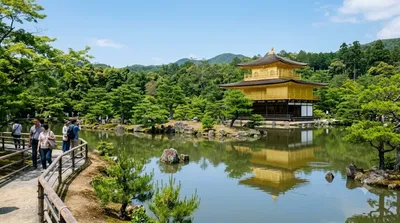
Kinkaku-ji, eigentlich Rokuon-ji, ist ein buddhistischer Tempel im Nordwesten der japanischen Stadt Kyōto.

3.2 km entfernt

Kitano Tenman-gū

Tempel & Sakralbauten

Kitano Tenman-gū

Kitano Tenman-gū ist ein Shintō-Schrein in der Stadt Kyōto in Japan.

3.8 km entfernt

Kaiserpalast Kyōto

Burgen & Paläste

Kaiserpalast Kyōto

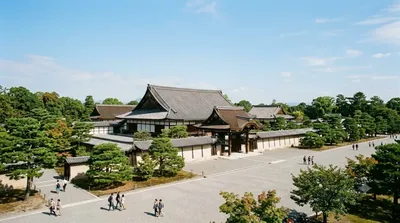
Der Kaiserpalast Kyōto war während des größten Teiles seiner Geschichte die Residenz des Kaisers von Japan. Dies begann mit der Heian-Zeit, als die kaiserliche Hauptstadt von Heijō-kyō (Nara) nach Heian-kyō, dem heutigen Kyōto, umzog. Die Funktion als offizielle Residenz endete mit der Meiji-Restauration, als der Kaiser seinen Sitz nach Edo, dem heutigen Tōkyō verlegte. Die Kaiser Taishō und Shōwa begingen ihre Krönungszeremonien weiter im Kaiserpalast von Kyōto.

4.0 km entfernt