World by City

Tempel & Sakralbauten

Daitoku-ji

Daitoku-ji Temple
Daitoku-ji

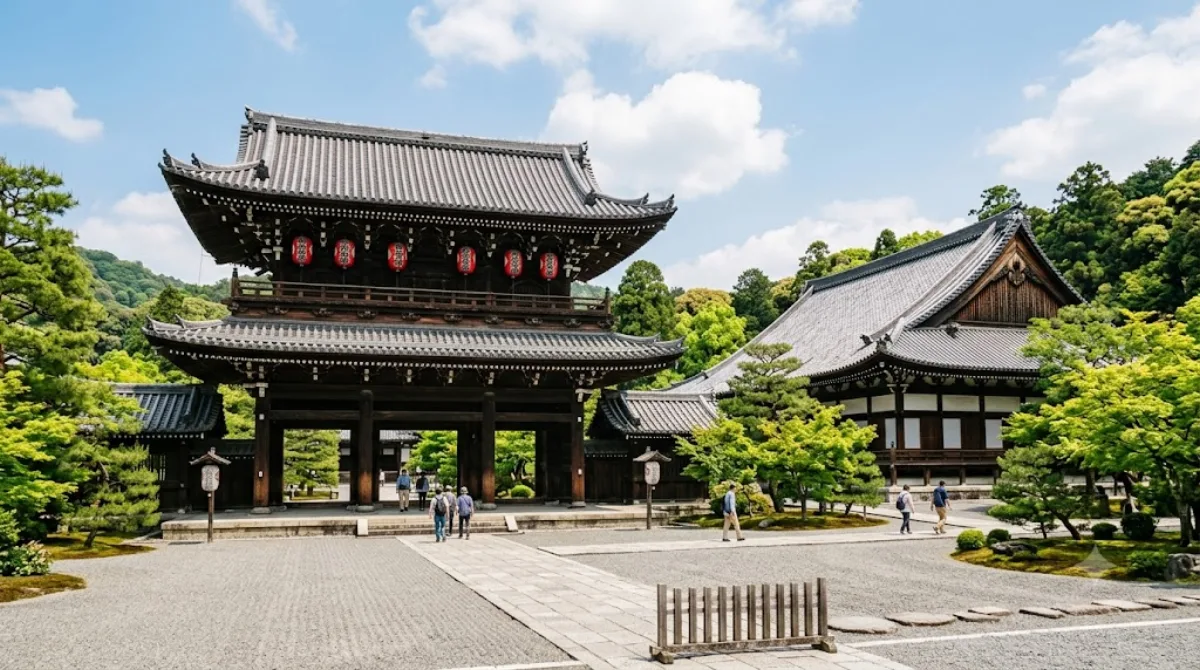
Der Daitoku-ji ist ein buddhistischer Tempelkomplex im Stadtbezirk Kita der japanischen Stadt Kyōto und einer der Haupttempel der Rinzai-shū.

What Daitoku-ji Is

Daitoku-ji is a large Rinzai Zen temple complex in northern Kyoto, made up of a central compound (Buddha Hall, lecture hall, main gate) surrounded by more than twenty sub-temples spread across garden grounds. It's historically tied to the development of Japanese tea ceremony culture, and several of the sub-temples are known for rock gardens and connections to famous monks and tea masters. Most visitors come to walk between a handful of these sub-temples rather than see one single building — the appeal is the quiet, walled lanes and gardens rather than a single monument.

Getting There

Daitoku-ji sits in the Murasakino area of Kita-ku, north of central Kyoto. From central Kyoto (Kyoto Station area), it's roughly a 30-40 minute bus ride, or you can combine bus and a short walk. There's no direct subway access, so bus is the most practical option for most travelers staying in the city center.

Time to Allow

Because only some sub-temples are open to visitors at any given time and the complex is spread out, plan on at least 1.5 to 2 hours if you want to visit two or three sub-temples along with the main grounds. Add more time if you plan to sit for a tea ceremony experience at one of the sub-temples that offers it.

When to Go

The grounds and walking paths between sub-temples are generally uncrowded compared to Kyoto's more famous temples, since Daitoku-ji sees fewer tour groups. Mornings tend to be quieter and give softer light for photos in the gardens. Note that not all sub-temples are open to the public year-round, so it's worth checking in advance which ones are accessible on the day you visit.

Combining With Nearby Sights

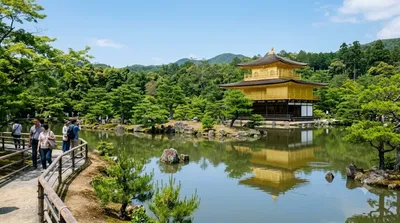
  • Kinkaku-ji Temple (1.7km) — the Golden Pavilion, a natural pairing given the short distance.
  • Kitano Tenmangū (1.9km) — a shrine dedicated to scholarship, easily reached from the same area.
  • Kamigamo Shrine (1.9km) and Kamo Shrine (1.9km) — both within a similar range if you want to extend the day around northern Kyoto's temples and shrines.

Quellen: offene Daten von Wikipedia und OpenStreetMap · Aktualisiert 5. August 2026 · Redaktion die World by City-Redaktion

Tickets & Touren

Eintrittspreise und Öffnungszeiten ändern sich häufig und stehen daher nicht hier. Unten sehen Sie, was gerade angeboten wird – vorab buchen spart mancherorts Wartezeit.

Dieser Ort erscheint womöglich nicht in den Ergebnissen – manche Ziele sind kostenlos oder verkaufen nur vor Ort.

Unterkünfte nahe Daitoku-ji

Nach Entfernung sortiert, fußläufige zuerst. Angaben als Luftlinie.

Karte © OpenStreetMap-Mitwirkende. Linien sind Luftlinien, keine echten Routen.

Daitoku-ji Unterkünfte in der Nähe

Lage und Namen stammen aus OpenStreetMap. Preise und Verfügbarkeit bitte auf den Buchungsseiten prüfen.

Passt gut dazu

Kinkaku-ji

Tempel & Sakralbauten

Kinkaku-ji

Kinkaku-ji, eigentlich Rokuon-ji, ist ein buddhistischer Tempel im Nordwesten der japanischen Stadt Kyōto.

1.7 km entfernt

Kamo-Schrein

Tempel & Sakralbauten

Kamo-Schrein

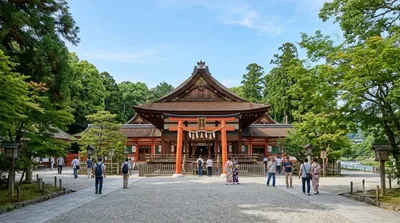
Der Kamo-Schrein in Kyōto, Japan besteht aus den beiden Shintō-Schreinen Kamigamo-jinja ; und Shimogamo-jinja.

1.9 km entfernt

Kitano Tenman-gū

Tempel & Sakralbauten

Kitano Tenman-gū

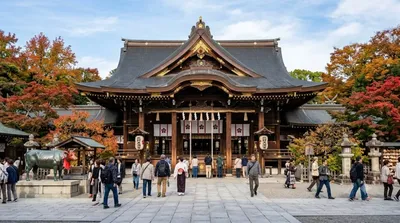
Kitano Tenman-gū ist ein Shintō-Schrein in der Stadt Kyōto in Japan.

1.9 km entfernt

가모와케이카즈치 신사

Tempel & Sakralbauten

가모와케이카즈치 신사

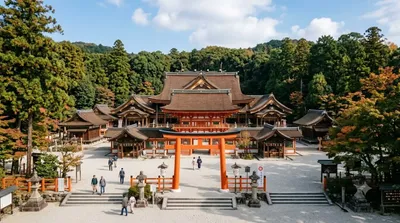
가모와케이카즈치 신사(賀茂別雷神社)는 교토시 기타구에 있는 신사이다. 통칭 가미가모 신사(上賀茂神社)로 불리는 일이 많다. 연희식(延喜式)에 기록되어 있는 절의 하나이자, 야마시로국의 이치노미야(一宮), 22사의 하나이며 옛 사격은 관폐대사(官幣大社)이다.

1.9 km entfernt

가모미오야 신사

Tempel & Sakralbauten

가모미오야 신사

가모미오야 신사(賀茂御祖神社)는 교토시 사쿄구에 있는 신사이다. 통칭 시모가모 신사(下鴨神社)로 불린다. 연희식(延喜式)에 기록된 절의 하나이자, 야마시로국의 이치노미야(一宮), 22사의 하나이며 옛 사격은 관폐대사(官幣大社)이다.

2.5 km entfernt

Kaiserpalast Kyōto

Burgen & Paläste

Kaiserpalast Kyōto

Der Kaiserpalast Kyōto war während des größten Teiles seiner Geschichte die Residenz des Kaisers von Japan. Dies begann mit der Heian-Zeit, als die kaiserliche Hauptstadt von Heijō-kyō (Nara) nach Heian-kyō, dem heutigen Kyōto, umzog. Die Funktion als offizielle Residenz endete mit der Meiji-Restauration, als der Kaiser seinen Sitz nach Edo, dem heutigen Tōkyō verlegte. Die Kaiser Taishō und Shōwa begingen ihre Krönungszeremonien weiter im Kaiserpalast von Kyōto.

2.5 km entfernt