Temples & religious sites
Daitoku-ji Temple
What Daitoku-ji Is
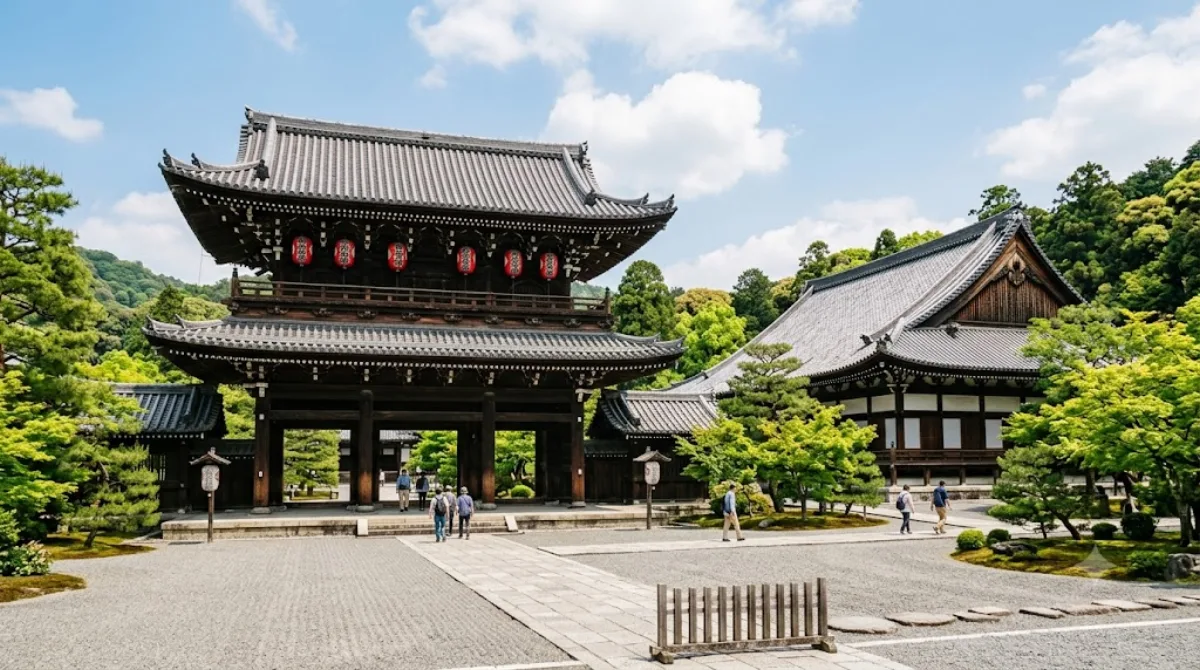
Daitoku-ji is a large Rinzai Zen temple complex in northern Kyoto, made up of a central compound (Buddha Hall, lecture hall, main gate) surrounded by more than twenty sub-temples spread across garden grounds. It's historically tied to the development of Japanese tea ceremony culture, and several of the sub-temples are known for rock gardens and connections to famous monks and tea masters. Most visitors come to walk between a handful of these sub-temples rather than see one single building — the appeal is the quiet, walled lanes and gardens rather than a single monument.
Getting There
Daitoku-ji sits in the Murasakino area of Kita-ku, north of central Kyoto. From central Kyoto (Kyoto Station area), it's roughly a 30-40 minute bus ride, or you can combine bus and a short walk. There's no direct subway access, so bus is the most practical option for most travelers staying in the city center.
Time to Allow
Because only some sub-temples are open to visitors at any given time and the complex is spread out, plan on at least 1.5 to 2 hours if you want to visit two or three sub-temples along with the main grounds. Add more time if you plan to sit for a tea ceremony experience at one of the sub-temples that offers it.
When to Go
The grounds and walking paths between sub-temples are generally uncrowded compared to Kyoto's more famous temples, since Daitoku-ji sees fewer tour groups. Mornings tend to be quieter and give softer light for photos in the gardens. Note that not all sub-temples are open to the public year-round, so it's worth checking in advance which ones are accessible on the day you visit.
Combining With Nearby Sights
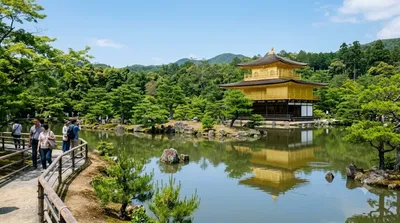
- Kinkaku-ji Temple (1.7km) — the Golden Pavilion, a natural pairing given the short distance.
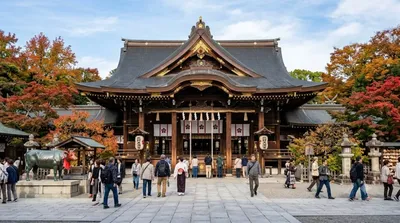
- Kitano Tenmangū (1.9km) — a shrine dedicated to scholarship, easily reached from the same area.
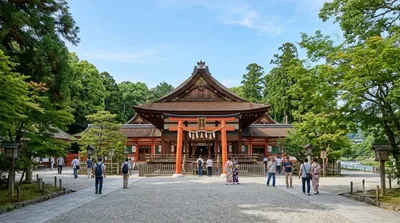
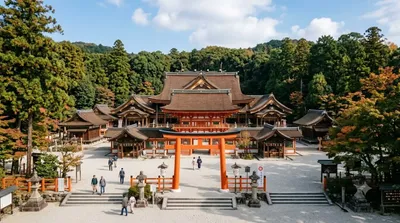
- Kamigamo Shrine (1.9km) and Kamo Shrine (1.9km) — both within a similar range if you want to extend the day around northern Kyoto's temples and shrines.
Updated September 20, 2026 · Edited by the World by City editors
 GetYourGuide
 Klook
Klook
 Tiqets
 KKday
KKday
 WeGoTrip
 Booking.com
 Hotels.com