Museen & Galerien
Cappella Sansevero
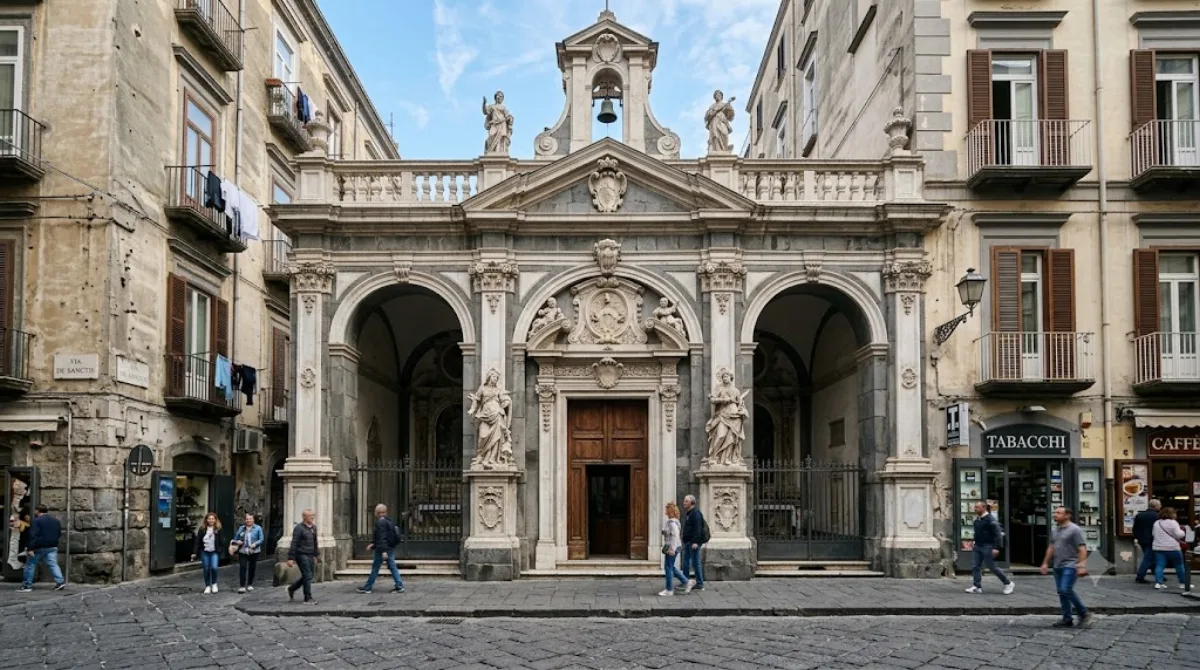
Cappella Sansevero
Die Cappella Sansevero, offiziell bekannt als Kapelle Santa Maria della Pietà, ist eine kleine Kapelle im historischen Zentrum von Neapel. Sie beherbergt bedeutende Werke der italienischen Rokoko-Kunst aus dem 18. Jahrhundert. Besucher kommen hierher, um die detailreichen Skulpturen und die dichte ornamentale Dekoration in einem kompakten Raum zu betrachten.
Anreise und Dauer
Die Kapelle liegt im Stadtzentrum von Neapel. Da sie sich in den engen Gassen der Altstadt befindet, ist sie von den zentralen Plätzen aus am besten zu Fuß erreichbar. Die Gehzeit beträgt je nach Startpunkt im Zentrum etwa 10 bis 15 Minuten.
Aufgrund der geringen Größe des Raumes und der Detailtiefe der Exponate sollten Besucher etwa eine Stunde für den Besuch einplanen.
Besuchszeit und Hinweise
Die Kapelle ist ein beliebter Ort und wird oft sehr stark besucht. Es kommt regelmäßig zu langen Warteschlangen. Um die Wartezeit zu minimieren, empfiehlt es sich, die Besuche zu den Randzeiten zu planen. Die Kapelle ist ganzjährig zugänglich, wobei die touristischen Hauptsaisonen zu einer höheren Besucherfrequenz führen.
Kombination mit anderen Sehenswürdigkeiten
Aufgrund der zentralen Lage lassen sich weitere Sehenswürdigkeiten in unmittelbarer Nähe kombinieren:
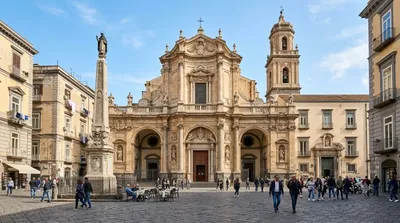
- Basilica di San Domenico Maggiore: 0,1 km entfernt
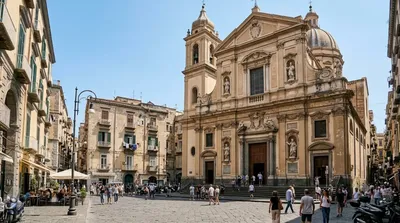
- San Paolo Maggiore: 0,3 km entfernt
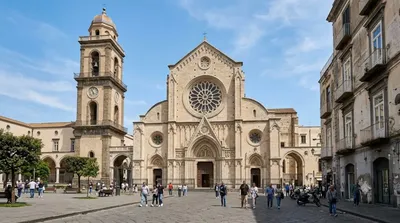
- Santa Chiara: 0,3 km entfernt
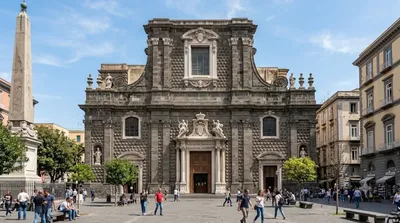
- Gesù Nuovo: 0,3 km entfernt
Aktualisiert 20. September 2026 · Redaktion die World by City-Redaktion
 GetYourGuide
 Klook
Klook
 Tiqets
 KKday
KKday
 WeGoTrip
 Booking.com
 Hotels.com