Natur
Grotta del Cane
Cave of Dogs
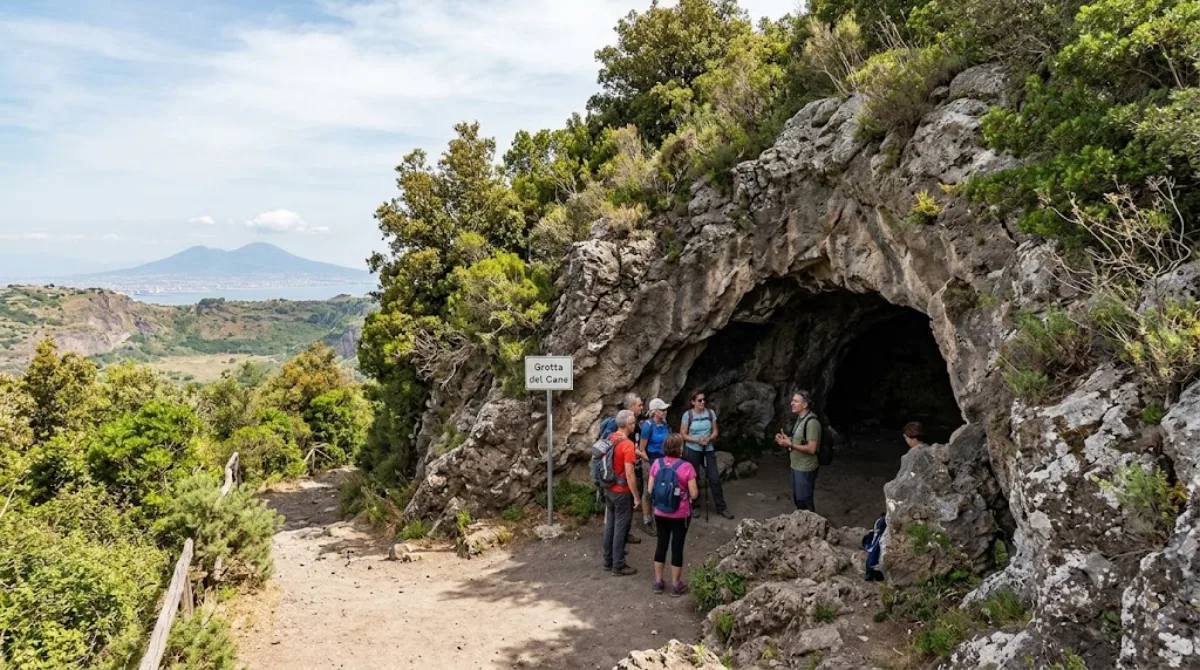
Grotta del Cane
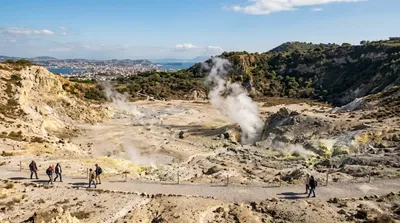
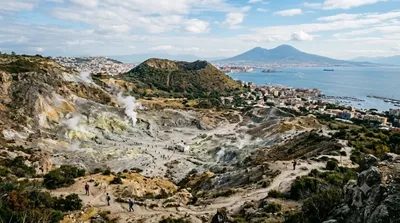
Die Grotta del Cane ist eine kleine Höhle in der vulkanischen Region der Campi Flegrei westlich von Neapel. Sie ist bekannt für ein spezifisches geologisches Phänomen: Vulkanische Gase steigen aus dem Boden auf und erhöhen die Kohlendioxidkonzentration in Bodennähe. Da CO2 schwerer als Luft ist, sammelt es sich am Boden der Höhle an, was dazu führt, dass Hunde, die in die Grotte gebracht werden, das Bewusstsein verlieren.
Anreise aus dem Stadtzentrum
Die Höhle ist vom Zentrum Neapels aus mit öffentlichen Verkehrsmitteln oder dem Auto erreichbar. Die Fahrtzeit beträgt je nach Verkehrslage und gewählter Route etwa 30 bis 60 Minuten.
Zeitaufwand vor Ort
Aufgrund der geringen Größe der Grotte ist der Aufenthalt kurz. Planen Sie etwa 30 bis 60 Minuten ein, um die Höhle zu besichtigen.
Besuchszeit und Hinweise
Die Grotte kann zu verschiedenen Tageszeiten besucht werden. In der Hauptreisezeit kann es an den engen Zugängen zu Engpässen kommen. Es wird empfohlen, die Besichtigung in die kühleren Monate zu legen, da die Region im Sommer sehr heiß werden kann.
Kombinationsmöglichkeiten
Aufgrund der Lage in den Phlegräischen Feldern lässt sich der Besuch mit anderen nahegelegenen Sehenswürdigkeiten verbinden:
- Vesuvius Observatory: 2 km entfernt
- Bagnoli: 2,2 km entfernt
- Solfatara: 2,4 km entfernt
- Phlegräische Felder: 2,4 km entfernt
Aktualisiert 20. September 2026 · Redaktion die World by City-Redaktion
 GetYourGuide
 Klook
Klook
 Tiqets
 KKday
KKday
 WeGoTrip
 Booking.com
 Hotels.com