Natur
Phlegräische Felder
Phlegraean Fields
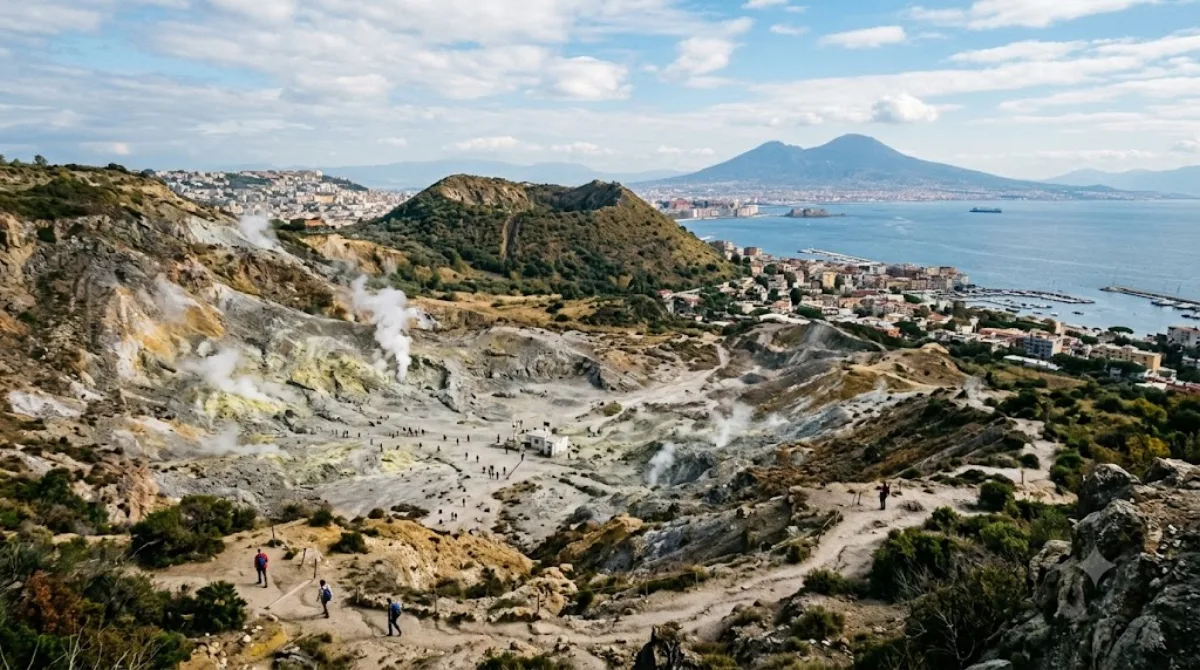
Die Phlegräischen Felder
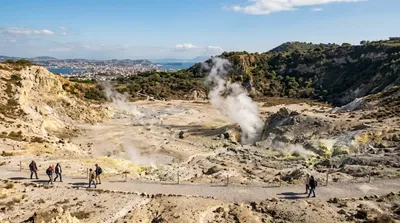
Die Phlegräischen Felder sind eine große vulkanische Caldera westlich von Neapel. Das Gebiet ist durch geothermische Aktivitäten geprägt, die sich in Form von Fumarolen und anderen vulkanischen Erscheinungen an der Oberfläche zeigen. Reisende besuchen diese Region, um die geologische Beschaffenheit der Caldera und die Auswirkungen der vulkanischen Aktivität in unmittelbarer Nähe zur Stadt zu beobachten.
Anreise und Zeitplanung
Die Anreise aus dem Stadtzentrum von Neapel erfolgt am besten mit öffentlichen Verkehrsmitteln oder dem Auto. Die Fahrtzeit variiert je nach Verkehrslage und genauem Ziel innerhalb der Felder, dauert jedoch in der Regel zwischen 30 und 60 Minuten.
Für die Erkundung der wichtigsten geologischen Punkte und einen Spaziergang durch das Gebiet sollte man etwa einen halben bis einen ganzen Tag einplanen.
Besuchszeit und Hinweise
Die Region kann zu Stoßzeiten und an Wochenenden stark besucht sein. Es empfiehlt sich, die Besuche in die frühen Morgenstunden zu legen, um größeren Menschenmengen zu entgehen. Aufgrund der exponierten Lage und der geothermischen Hitze sind die Frühlings- und Herbstmonate klimatisch am geeignetsten.
Kombinationsmöglichkeiten
Aufgrund der räumlichen Nähe lassen sich weitere Sehenswürdigkeiten in die Route integrieren:
- Solfatara (0 km): Direkt im Gebiet gelegen.
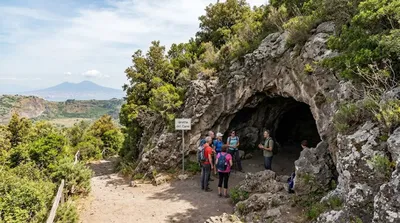
- Grotta dei Cani (2,4 km): Eine nahegelegene vulkanische Höhle.
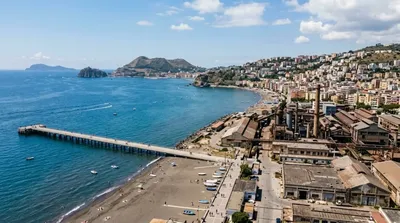
- Bagnoli (2,7 km): Ein Küstenabschnitt im Westen.
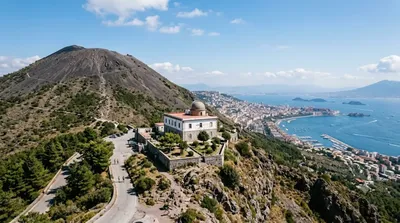
- Vesuvius Observatory (3,7 km): Eine Einrichtung zur Beobachtung der vulkanischen Aktivität.
Aktualisiert 20. September 2026 · Redaktion die World by City-Redaktion
 GetYourGuide
 Klook
Klook
 Tiqets
 KKday
KKday
 WeGoTrip
 Booking.com
 Hotels.com