Burgen & Paläste
Palast Akasaka
Akasaka Palace
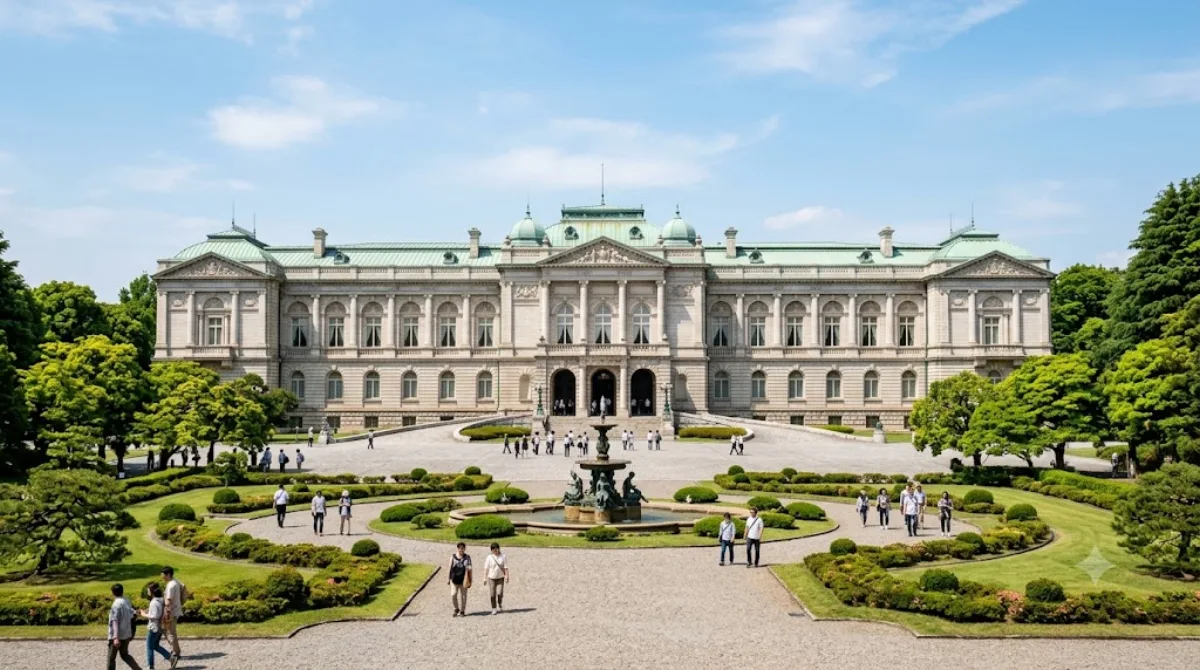
Das staatliche Gästehaus Akasaka Palace
Das staatliche Gästehaus Akasaka Palace ist eine offizielle Einrichtung der japanischen Regierung, die für den Empfang ausländischer Staats- und Regierungschefs genutzt wird. Im Gegensatz zu traditionellen japanischen Burgen ist dieses Gebäude im westlichen Architekturstil errichtet und verfügt über entsprechende Gärten. Reisende besuchen den Ort, um die europäisch geprägte Architektur und die Funktion des Palastes als aktives Regierungsgebäude kennenzulernen.
Anreise und Zeitplanung
Die Anlage befindet sich im Stadtgebiet von Tokio. Von den zentralen Stadtteilen aus ist sie mit den öffentlichen Verkehrsmitteln erreichbar; die Fahrtzeit beträgt je nach Startpunkt in der Regel zwischen 15 und 30 Minuten. Für den Besuch des Gebäudes und der Außenanlagen sollte man etwa zwei bis drei Stunden einplanen.
Besucherinformationen
Ein Besuch ist zu jeder Jahreszeit möglich, wobei die Gärten je nach Saison unterschiedliche Aspekte zeigen. Da es sich um eine aktive staatliche Einrichtung handelt, kann der Zugang je nach offiziellen Terminen eingeschränkt sein. An Wochenenden und Feiertagen ist mit einem höheren Besucheraufkommen zu rechnen.
Kombinationsmöglichkeiten
Aufgrund der zentralen Lage lassen sich weitere Sehenswürdigkeiten in der Umgebung integrieren:
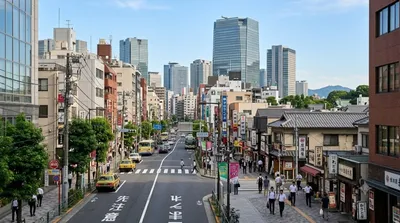
- Akasaka (1,1 km)
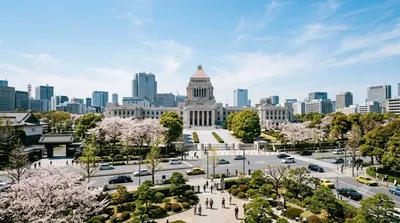
- Nagatachō (1,5 km)
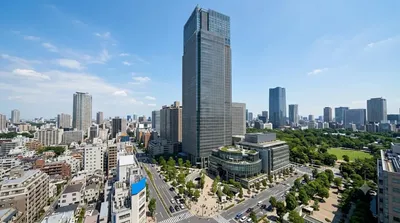
- Midtown Tower (1,5 km)
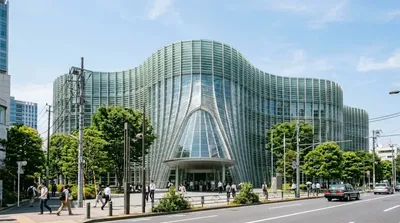
- National Art Center, Tokyo (1,6 km)
Aktualisiert 20. September 2026 · Redaktion die World by City-Redaktion
 GetYourGuide
 Klook
Klook
 Tiqets
 KKday
KKday
 WeGoTrip
 Booking.com
 Hotels.com