Shopping & Viertel
Nagatachō
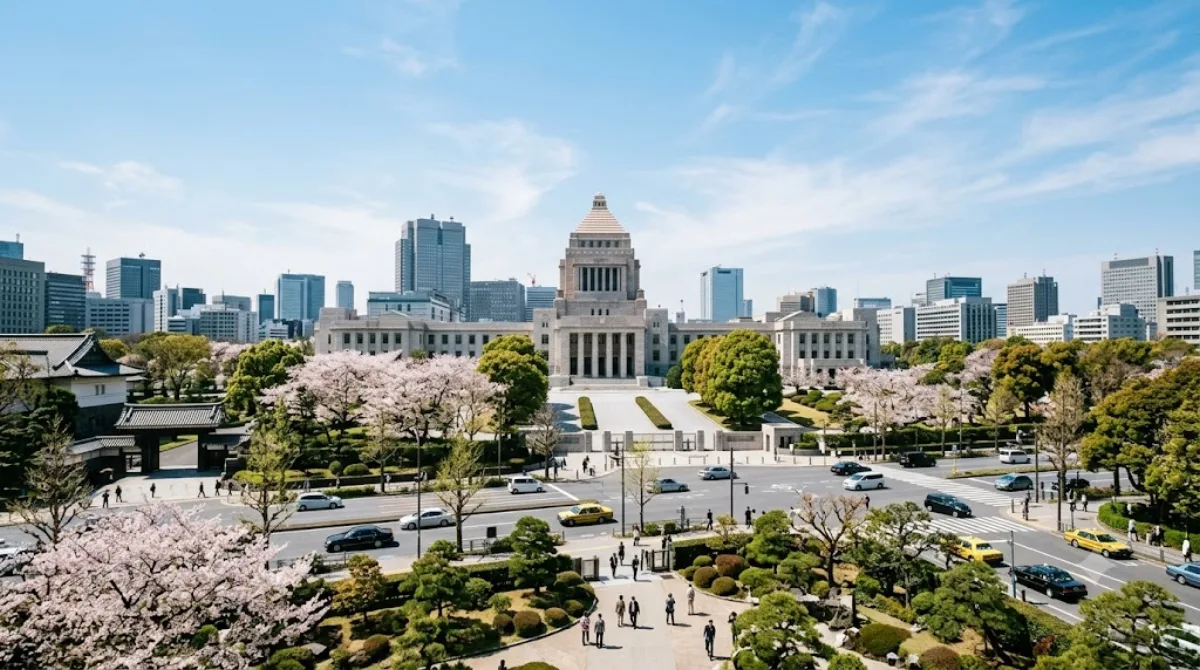
Nagatachō: Das politische Zentrum Tokios
Nagatachō im Bezirk Chiyoda ist das administrative Herz Japans. Das Viertel beherbergt die wichtigsten Regierungsgebäude des Landes, darunter das Gebäude der Nationalversammlung (National Diet Building) und die offizielle Residenz des Premierministers (Kantei). Reisende besuchen diesen Ort vor allem, um die Architektur der Macht zu sehen und einen Einblick in die politische Struktur Japans zu gewinnen.
Anreise und Dauer
Das Viertel ist zentral gelegen und über das Tokioter U-Bahn-Netz schnell erreichbar. Von den zentralen Knotenpunkten der Stadt aus dauert die Fahrt in der Regel etwa 10 bis 20 Minuten. Für einen Rundgang durch das Viertel und die Betrachtung der Regierungsgebäude sollten Besucher etwa 2 bis 3 Stunden einplanen.
Besuchszeit und Hinweise
Ein Besuch während der Werktage bietet einen authentischen Einblick in den Geschäftsalltag der Politik, kann jedoch aufgrund von Sicherheitsvorkehrungen und Verkehrsbehinderungen bei offiziellen Anlässen eingeschränkt sein. Das Gebiet ist im Vergleich zu den touristischen Zentren Tokios meist ruhig, kann aber bei politischen Demonstrationen belebt sein.
Kombinationsmöglichkeiten
Aufgrund der zentralen Lage lassen sich weitere Sehenswürdigkeiten in die Route integrieren:
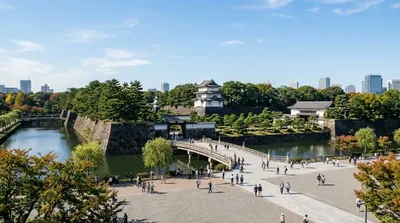
- Kaiserpalast: ca. 1 km entfernt
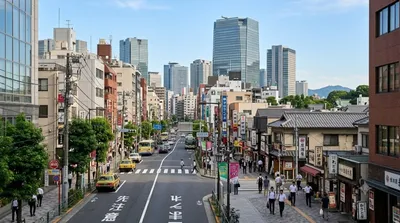
- Akasaka: ca. 1 km entfernt
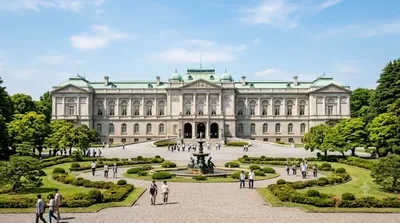
- Akasaka Palace: ca. 1,5 km entfernt
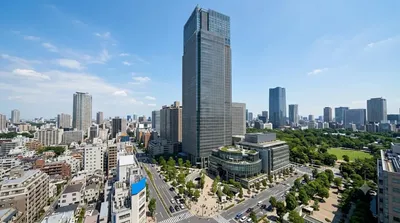
- Midtown Tower: ca. 1,6 km entfernt
Aktualisiert 20. September 2026 · Redaktion die World by City-Redaktion
 GetYourGuide
 Klook
Klook
 Tiqets
 KKday
KKday
 WeGoTrip
 Booking.com
 Hotels.com