Heritage & monuments
Heptastadion
Overview
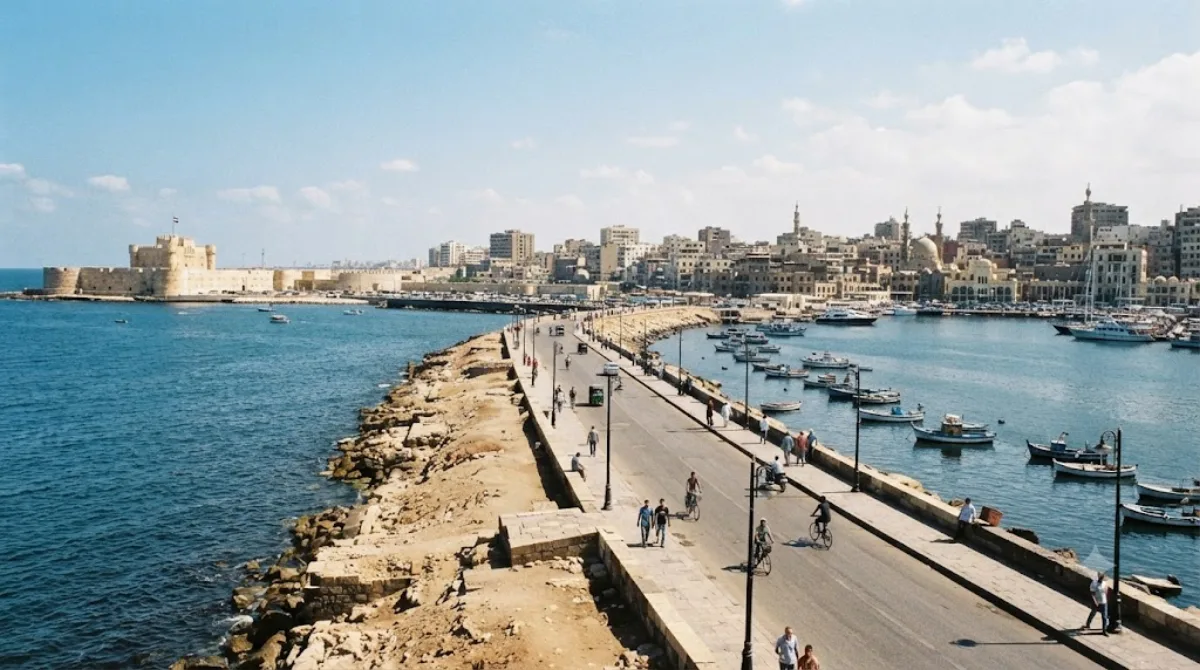
Built in the 3rd century BC during the Ptolemaic era, the Heptastadion was a stone breakwater and causeway designed to connect Pharos Island to the mainland. Silt gradually accumulated around it over centuries, forming the isthmus on which part of modern Alexandria now stands. Travellers visit to trace the city's ancient layout and see how historical coastal engineering shaped the present-day waterfront.
Getting There
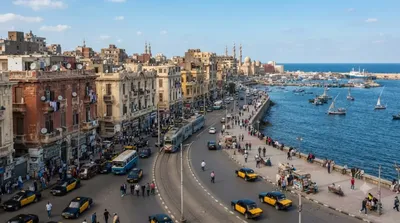
The site sits along the land bridge connecting downtown Alexandria to the Ras el-Tin district. From the central Mansheya area, it takes roughly 10 minutes on foot or under 5 minutes by taxi.
Visiting Duration
Plan to spend 30 to 45 minutes walking through the area and observing the shoreline.
When to Visit
Early morning or late afternoon provides comfortable temperatures for walking outdoors. Spring and autumn bring the mildest weather. The surrounding thoroughfares can get crowded with traffic and pedestrians during midday and evening peak hours.
Nearby Attractions
The site can be easily combined with several nearby points of interest:
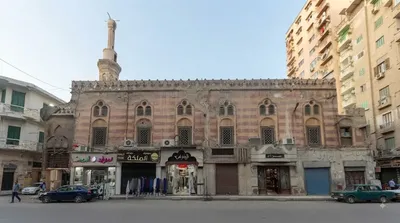
- Tirbana Mosque: 0.3 km
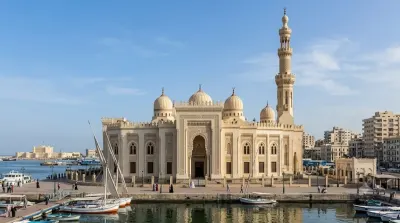
- El-Mursi Abul Abbas Mosque: 0.7 km
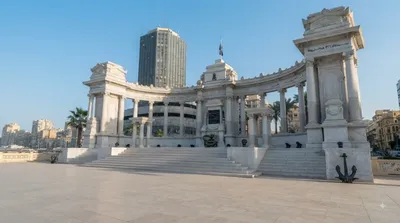
- Alexandria Naval Unknown Soldier Memorial: 0.8 km
- Mansheya: 0.8 km
Updated September 8, 2026 · Edited by the World by City editors
 GetYourGuide
 Klook
Klook
 Tiqets
 KKday
KKday
 WeGoTrip
 Booking.com
 Hotels.com