Nature
Paleo Kathmandu Lake
Paleo Kathmandu Lake
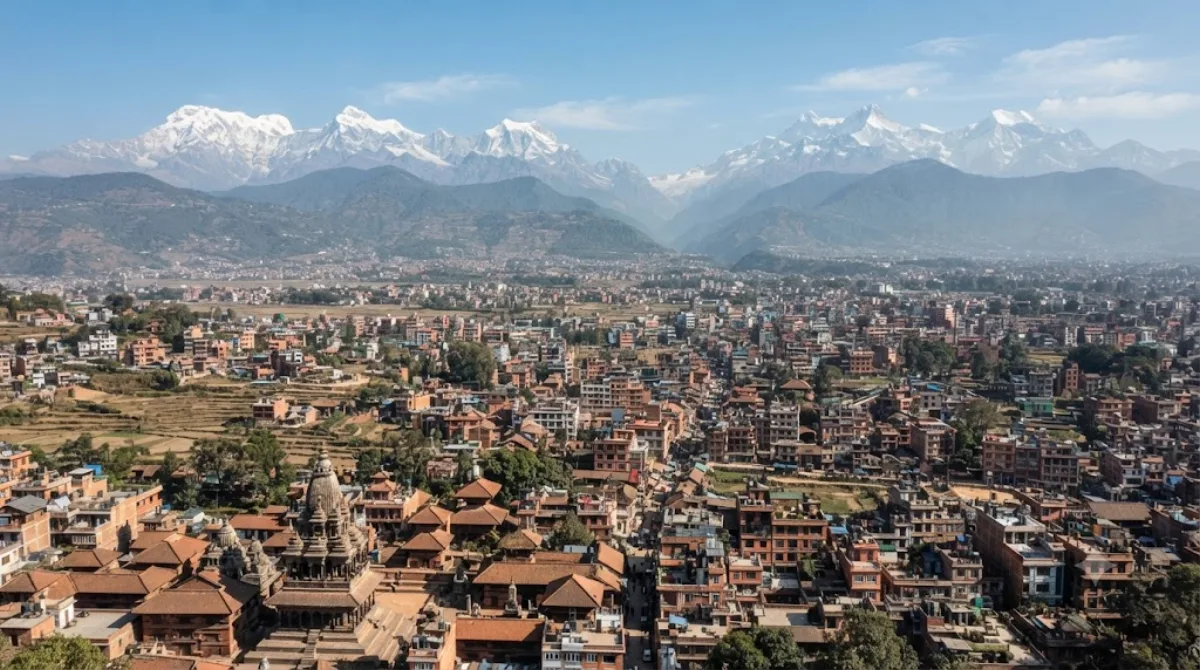
The Paleo Kathmandu Lake is not a standing body of water, but the prehistoric lakebed that formed the foundation of the Kathmandu Valley, including the city of Bhaktapur. Travelers visit this region to understand the geological origins of the valley and how the ancient lake deposits created the soft soil that characterizes the local landscape and influences the area's seismic vulnerability.
Getting There
Because the lakebed encompasses the entire valley floor of the valley, there is no single entrance or ticket office. Visitors can experience the geography by exploring the low-lying areas of Bhaktapur and the surrounding valley. From the city center, reaching the various geological observation points typically takes 15 to 30 minutes depending on the specific site and local traffic.
Visit Duration
Since this is a geological feature rather than a contained monument, the time spent depends on your interest in the valley's topography. A general walk through the valley floor to observe the terrain usually takes 2 to 3 hours.
When to Visit
The best time to visit is during the autumn or spring seasons when the weather is mild. Avoid the monsoon season, as the soft lakebed soil can lead to significant mud and drainage issues. The central areas of the valley can become crowded with pedestrians and vehicles during midday.
Nearby Attractions
You can combine a study of the valley's geography with visits to these nearby sites:
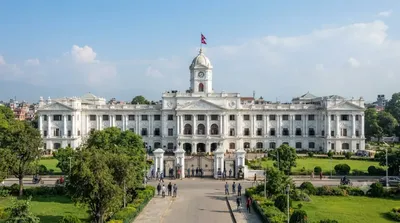
- Singha Durbar (0.8km)
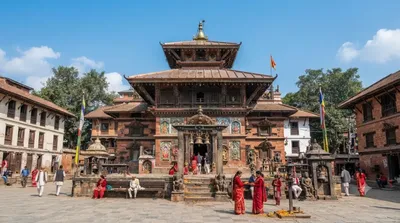
- Venkatesh Mandir, Kathmandu (1.2km)
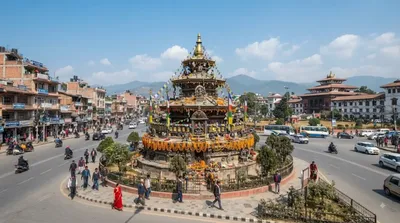
- Maitighar Mandala (1.4km)
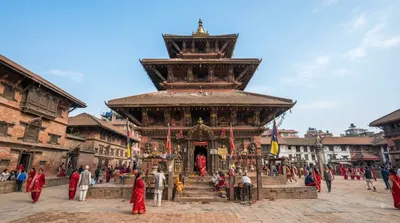
- Bhadrakali Temple (1.6km)
Updated September 8, 2026 · Edited by the World by City editors
 GetYourGuide
 Klook
Klook
 Tiqets
 KKday
KKday
 WeGoTrip
 Booking.com
 Hotels.com