
Bissau · Best time to visit
When is the best time to visit Bissau, Guinea-Bissau?
August 29, 2026 · last updated · about 3 min read
Understanding Bissau's Seasonal Climate
Bissau experiences two distinct seasons: a dry season from November to May and a heavy monsoon from June to October. Because the city sits on the Geba River estuary, humidity stays elevated year-round, but seasonal rainfall dictates transport and travel feasibility.
Dry Season: November to May
This is the most reliable period to explore Bissau and transfer through its port to the Bijagós Archipelago. From December through February, dry Harmattan winds arrive from the interior, creating hazy skies and slightly cooler evenings. Temperatures climb sharply between March and May. Throughout these dry months, city transport—including local taxis and toca-toca minibuses—runs smoothly without storm disruptions.
Rainy Season: June to October
Torrential rains and frequent thunderstorms define this period, peaking in July and August. Severe downpours cause street flooding and make unpaved roads difficult to navigate. Sea crossings from Porto de Bissau face rough conditions and delays. Travelers should generally avoid August unless prepared for transport bottlenecks and elevated humidity.
Timing and Travel Logistics
- Carnaval de Bissau (February or March): The annual carnival brings street parades and traditional papier-mâché masks to central avenues. Flights into Osvaldo Vieira International Airport (OXB) and central accommodations book up early.
- Best Months for Island Transit: Travel between November and April offers the calmest water for boat trips departing Bissau.
- What to Pack: Pack lightweight, breathable clothing, high-strength insect repellent, sturdy walking shoes for colonial stone streets, and sun protection.
Pick your dates — we'll search Bissau hotels for you
Choose dates and guests, and the buttons below will open search results with your criteria. Prices differ between sites, so compare before you book.
 View on Booking.com
 View on Hotels.com
Things to see in Bissau
See all →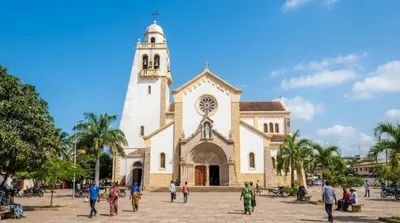
Temples & religious sites
The Cathedral of Bissau
This Catholic cathedral in the heart of Bissau serves as the center of Guinea-Bissau's Catholic Church. It also doubles as a lighthouse, making it a distinctive sight.
Castles & palaces
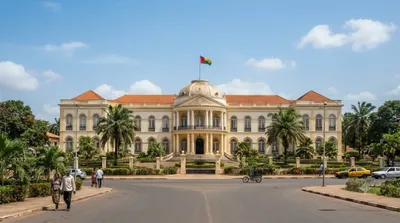
Presidential Palace, Bissau
This presidential palace in Bissau, the capital of Guinea-Bissau, was once one of the city's grandest buildings. It was heavily damaged during the 1998-99 civil war and now stands in ruins.
Castles & palaces
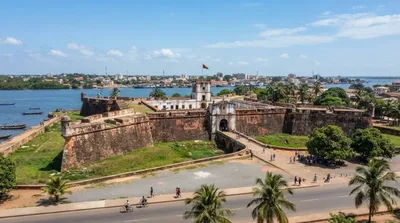
Fortaleza de São José da Amura
This fortress in Bissau, the capital of Guinea-Bissau, once defended the West African coastal city. It's a good spot to explore while learning about the city's history.
Temples & religious sites
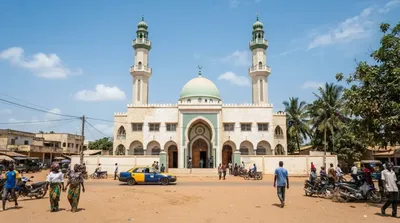
Mesquita de Attadamun
This is Bissau's largest mosque, serving as the center of the city's faith and community life. An adjoining school makes it a place of local education as well as worship.
More Bissau guides
Best value
Where to stay in Bissau for the best value
5-star & luxury
Where to Stay in Bissau for Luxury and High-End Accommodation
Pool villas & resorts
Where to stay in Bissau for pool villas and resort accommodations
Family travel
Where to Stay in Bissau with Family: Best Areas and Booking Advice
Couples & honeymoon
Where to stay in Bissau for a couple's trip or honeymoon
Central & near stations
Where to stay in Bissau for central access and local transport links
First-time guide
How to Navigate Bissau on Your First Visit: Districts, Transport, and Planning
Getting around
How to get around Bissau by taxi, minibus, and airport transfer
Best time to visit guides for other destinations
Guantánamo
When is the best time to visit Guantánamo, Cuba?
Cetinje
The Best Time to Visit Cetinje: Weather, Crowds, and Season Guide
North Nicosia
When to Visit North Nicosia: Weather, Seasons, and Practical Advice
Banja Luka
The Best Time to Visit Banja Luka for Good Weather and Outdoor Activities