Temples & religious sites
Cebu City Philippines Temple
What it is
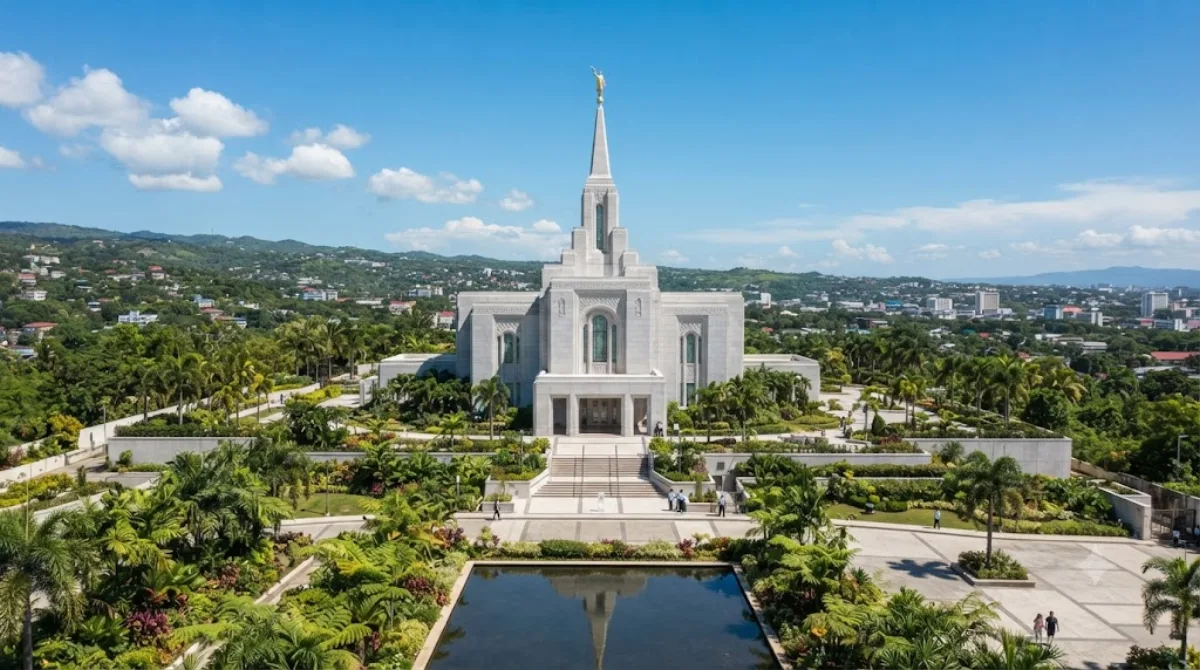
The Cebu City Philippines Temple is a Latter-day Saints temple on Gorordo Avenue in the Lahug district. It was the second such temple built in the country, after Manila, and it serves church members from across the Visayas and Mindanao. As with other LDS temples, the grounds and exterior are open to visitors, but entry to the temple itself is restricted to church members in good standing. Travellers typically come to see the building and its landscaped gardens rather than to go inside.
Getting there
Lahug sits north of downtown Cebu City. From the city centre or the Colon area, a taxi or ride-hailing car usually takes about 15-20 minutes depending on traffic, which can be heavy during rush hour. Jeepneys running toward Lahug or Gorordo Avenue also pass nearby, though a car is more direct if you're short on time. From Mactan-Cebu International Airport (CEB), expect roughly 30-45 minutes by car.
How long to stay
Since access is limited to the exterior grounds for most visitors, 20-30 minutes is enough to walk around, view the building and gardens, and take photos.
When to go
Mornings or late afternoons are more comfortable, avoiding the midday heat common in Cebu. The site is generally quiet compared to Cebu's busier tourist spots, so crowding isn't a major concern. Dress modestly out of respect, as this remains an active religious site.
Nearby
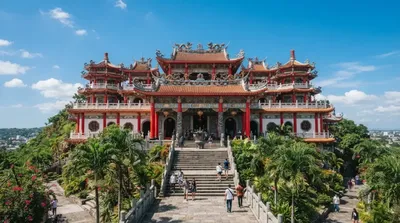
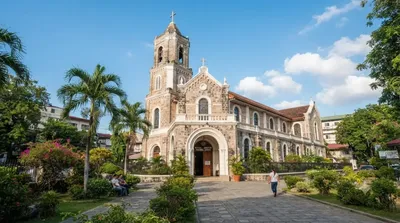
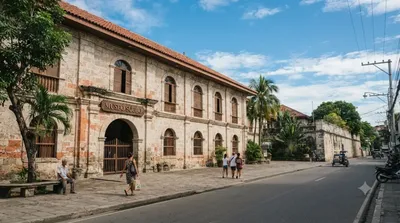
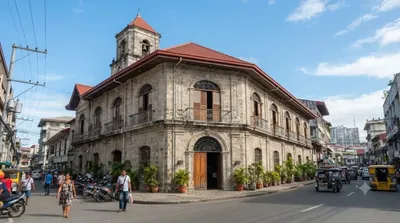
The Cebu Taoist Temple is about 1.3km away and pairs well as a contrasting stop given the difference in architecture and tradition. Matilda L. Bradford Memorial Church is roughly 2.6km off, while Museo Sugbo (3km) and the Cathedral Museum of Cebu (3.7km) work as a combined half-day itinerary if you're interested in Cebu's religious and colonial-era history.
Updated September 20, 2026 · Edited by the World by City editors
 GetYourGuide
 Klook
Klook
 Tiqets
 KKday
KKday
 WeGoTrip
 Booking.com
 Hotels.com