
Daegu · Getting around
How to use public transport in Daegu
August 29, 2026 · last updated · about 4 min read
Primary Modes of Transport
Daegu is a compact city where the subway and bus networks are the most efficient ways to travel.
- Daegu Metro: Best for crossing the city quickly. Line 1 connects the main railway station to the city center and southern districts. Line 2 serves the eastern and western residential and commercial hubs. Line 3 is a monorail that provides elevated views and connects the city center to the northern areas.
- City Buses: Ideal for reaching areas not served by the metro, such as specific traditional markets or the outskirts. They are frequent but subject to traffic.
- Taxis: The most convenient option for short distances with luggage or late-night travel when the metro is closed.
Payment and Passes
The T-money card is the standard rechargeable smart card used for all buses and subway lines. It allows for free transfers between the metro and buses within a specific time window.
Who they do not suit: Short-term visitors who only plan to make one or two trips may prefer single-journey tickets, though these are more expensive and do not offer transfer discounts.
From Daegu International Airport (TAE) to City Center
The airport is located close to the city, offering several transit options:
- Taxi: The fastest and lowest-effort option. It provides door-to-door service with a mid-range cost band.
- Bus: A low-cost option that connects the airport to various city hubs. It requires more effort due to luggage handling and longer travel times.
Practical Travel Notes
- Rush Hours: Avoid the metro and main roads during morning and evening commutes to avoid heavy crowding.
- Last Services: Metro lines typically stop running around midnight. Taxis are the primary alternative for late-night movement.
- Accessibility: Metro stations are equipped with elevators and escalators, making them highly accessible for strollers and wheelchairs.
- Luggage: Large suitcases are manageable on the metro during off-peak hours, but can be restrictive on crowded city buses.
Pick your dates — we'll search Daegu hotels for you
Choose dates and guests, and the buttons below will open search results with your criteria. Prices differ between sites, so compare before you book.
 View on Booking.com
 View on Hotels.com
Things to see in Daegu
See all →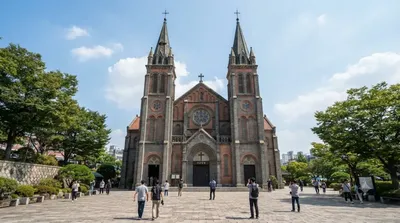
Temples & religious sites
Gyesan Cathedral
Gyesan Cathedral stands at Gyesan-ogeori in Jung-gu, Daegu, serving as the seat of the Archdiocese of Daegu. It has held this status since 1911, making it a place steeped in history.
Museums & galleries
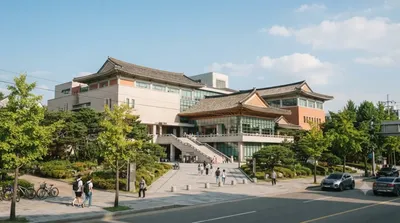
Daegu National Museum
A national museum in Suseong-gu, Daegu, opened in 1994 to showcase the region's history and culture. It's a good place to see artifacts and exhibits from Daegu.
Nature
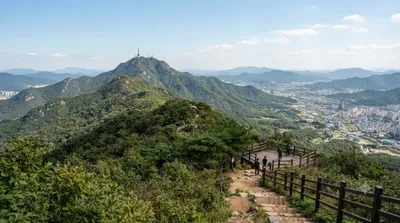
Choejeongsan
Standing 905 meters high in Dalseong-gun, Daegu, this mountain has a gently sloping plateau reminiscent of Daegwallyeong, giving it an exotic feel. It's the only place in Daegu where highland farming and grazing take place, offering scenery unlike anywhere else in the city.
Shopping & districts
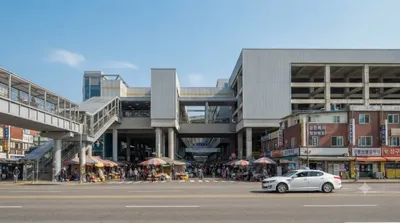
Seomun Market
Seomun Market is Daegu's foremost traditional market, with a history dating back to the Joseon dynasty. Around 4,000 shops, many specializing in fabrics and textiles, make it a great place to browse and shop.
More Daegu guides
Best value
Where to find the best value accommodation in Daegu
5-star & luxury
Where to stay in Daegu for a luxury experience
Pool villas & resorts
How to choose a pool villa or resort in Daegu
Family travel
Where to stay in Daegu for a family trip
Couples & honeymoon
Where to stay in Daegu for couples and honeymooners
Central & near stations
Where to stay in Daegu for easy access to transport and city centers
Best time to visit
When is the best time to visit Daegu, South Korea?
First-time guide
How to plan your first trip to Daegu
Getting around guides for other destinations
Guantánamo
How to Get Around Guantánamo and Travel from Antonio Maceo Airport
Cetinje
How to Get Around Cetinje and Travel from Podgorica Airport
North Nicosia
How to get around North Nicosia and travel from Larnaca Airport
Cienfuegos
How to get around Cienfuegos: transport options and airport transfers