Temples & religious sites
Sumiyoshi Shrine
What it is
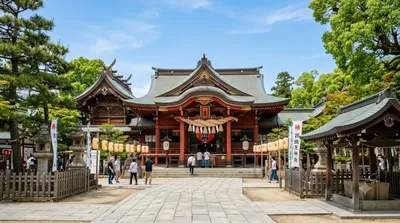
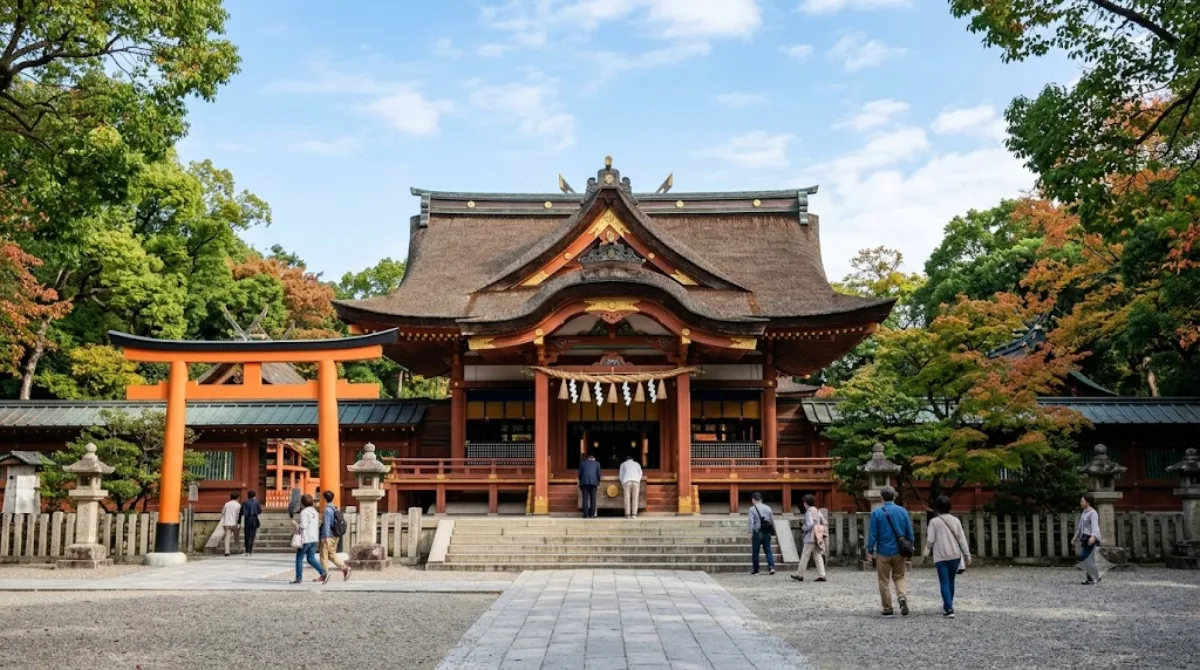
Sumiyoshi Shrine is a Shinto shrine in Hakata-ku, recognized as the ichinomiya (highest-ranked shrine) of the historical Chikuzen Province. It's grouped with Sumiyoshi-taisha in Osaka and the Sumiyoshi Jinja in Shimonoseki as one of the "Three Great Sumiyoshi" shrines in Japan. Visitors come for the wooden shrine buildings and grounds, a quieter contrast to the shopping and dining streets nearby, and a look at a site with deep local religious significance rather than a purely scenic stop.
Getting there
The shrine sits close to central Fukuoka, within walking distance of Hakata Station and the Nakasu/Tenjin area. From Hakata Station it's roughly a 10-15 minute walk. It's also reachable on foot from the nearby Kushida Shrine and Nakasu districts if you're already exploring that part of the city.
Time to allow
Most visitors spend around 30-45 minutes walking the grounds and viewing the main hall.
When to go
The shrine's main festival takes place annually on October 13, which draws larger crowds and is worth planning around if you want either a livelier atmosphere or a quieter visit. Outside festival dates, it tends to be relatively calm, making mornings or weekdays a good choice if you prefer fewer people around.
Combine with
- Kushida Shrine (0.9km) - another Shinto shrine within easy walking distance.
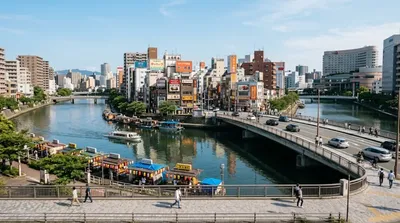
- Nakasu (1km) - Fukuoka's entertainment and dining district, good for an evening stop afterward.
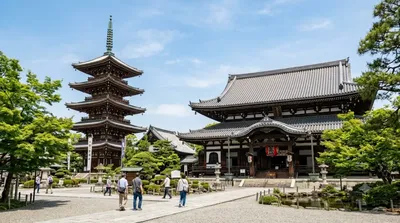
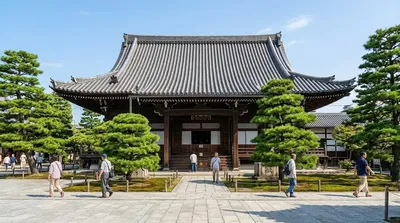
- Tōchō-ji Temple (1.1km) and Jōten-ji Temple (1.1km) - both a short walk away, useful if you're spending a morning or afternoon visiting temples and shrines in this part of Hakata-ku.
Updated September 20, 2026 · Edited by the World by City editors
 GetYourGuide
 Klook
Klook
 Tiqets
 KKday
KKday
 WeGoTrip
 Booking.com
 Hotels.com