Tempel & Sakralbauten
Sumiyoshi-Schrein
Sumiyoshi Shrine
Sumiyoshi-Schrein
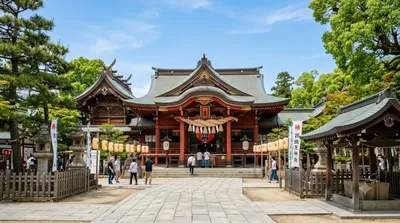
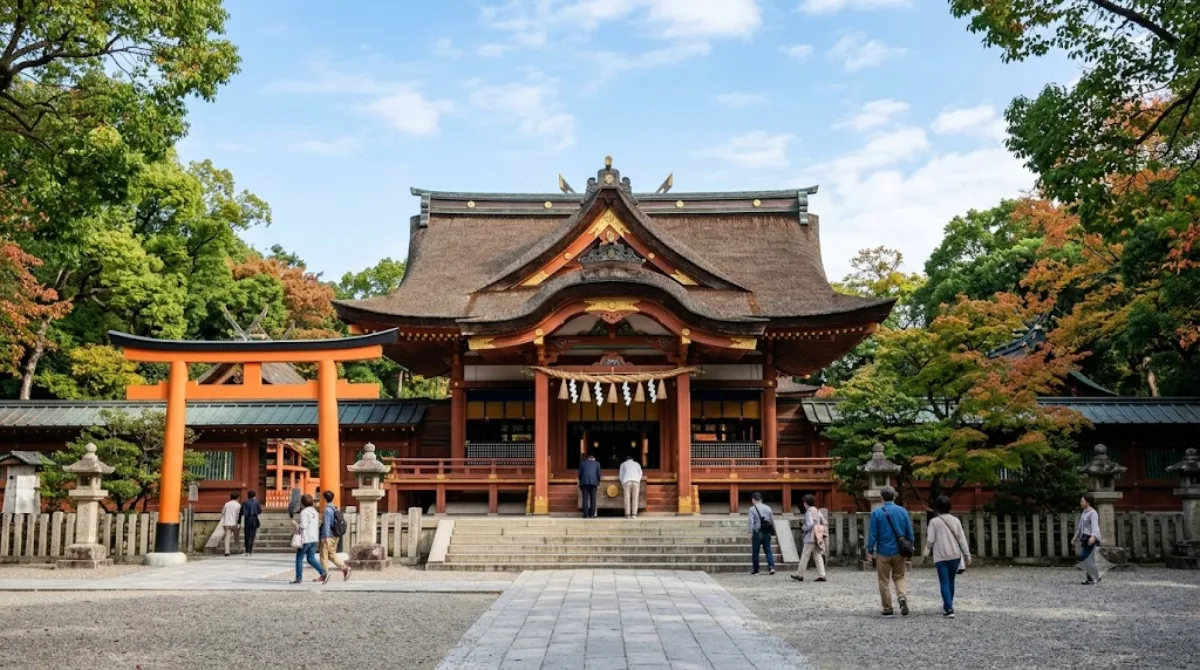
Der Sumiyoshi-Schrein im Bezirk Hakata ist einer der bedeutendsten Shinto-Schreine der Region und galt historisch als der ranghöchste Schrein der ehemaligen Provinz Chikuzen. Er gehört zu den drei großen Sumiyoshi-Schreinen Japans. Reisende besuchen diesen Ort, um die traditionelle Architektur zu sehen und die religiöse Geschichte Fukuokas zu erkunden.
Anreise und Zeitaufwand
Der Schrein ist vom Stadtzentrum aus gut erreichbar. Je nach Startpunkt im Zentrum dauert die Fahrt mit öffentlichen Verkehrsmitteln oder dem Taxi etwa 10 bis 20 Minuten. Vor Ort sollten Besucher etwa eine Stunde einplanen, um das Gelände zu begehen.
Besuchszeit und Hinweise
Ein Besuch am frühen Morgen ist empfehlenswert, um die Anlage in Ruhe zu erleben. Am 13. Oktober findet das jährliche große Fest statt, zu dem es deutlich voller wird als an gewöhnlichen Tagen. In dieser Zeit ist mit großen Menschenmengen zu rechnen.
Kombinationsmöglichkeiten
Aufgrund der zentralen Lage im Bezirk Hakata lässt sich der Besuch mit anderen Sehenswürdigkeiten in der Umgebung verbinden:
- Kushida-Schrein: 0,9 km entfernt
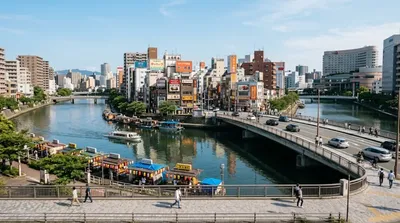
- Nakasu: 1 km entfernt
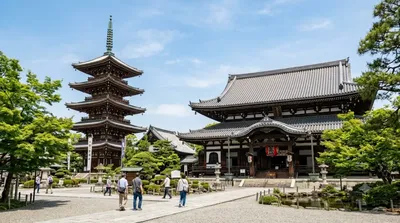
- Tōchō-ji Tempel: 1,1 km entfernt
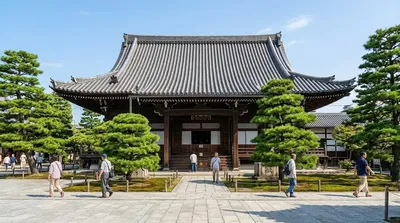
- Jōten-ji Tempel: 1,1 km entfernt
Aktualisiert 20. September 2026 · Redaktion die World by City-Redaktion
 GetYourGuide
 Klook
Klook
 Tiqets
 KKday
KKday
 WeGoTrip
 Booking.com
 Hotels.com