
Islamabad · Best time to visit
When is the best time to visit Islamabad, Pakistan?
August 29, 2026 · last updated · about 4 min read
Seasonal Weather and Atmosphere
Islamabad's climate is characterized by distinct seasonal shifts, influenced by its location at the foothills of the Margalla Hills.
Spring (March to May)
This is widely considered the ideal window. Temperatures are mild, and the city's greenery is at its peak. Daylight hours increase, making it easier to explore the planned sectors and nature trails. Crowds are moderate, and the air is fresh before the summer heat sets in.
Summer (June to August)
Summers are hot and humid. The region experiences the monsoon season during these months, bringing heavy rainfall that can cause localized flooding and traffic disruptions. While the rain cools the air, the high humidity can be oppressive.
Autumn (September to November)
Autumn offers a pleasant transition. The weather becomes crisp and dry, similar to spring. It is an excellent time for outdoor activities and visiting the city's monuments without the extreme heat of July or the chill of January.
Winter (December to February)
Winters are cool to cold, with frequent morning fog that can impact visibility and flight schedules at New Islamabad International Airport (ISB). While sunny days are pleasant, nights require significant layering.
Planning Your Trip
- For Sightseeing: March to May and October to November are best for visiting the Faisal Mosque and hiking the Margalla Hills.
- When to Avoid: July and August are the most challenging due to extreme humidity and monsoon rains.
- Travel Notes: During major public holidays, local traffic within the city sectors increases, and availability for popular guest houses may tighten.
Packing Essentials
Spring/Autumn: Light cotton clothing for the day and a light jacket or shawl for the evenings.
Summer: Breathable, loose-fitting fabrics and a sturdy umbrella for monsoon showers.
Winter: Heavy woolens, thermal wear, and a windproof jacket, especially if you plan to venture toward the hills.
Pick your dates — we'll search Islamabad hotels for you
Choose dates and guests, and the buttons below will open search results with your criteria. Prices differ between sites, so compare before you book.
 View on Booking.com
 View on Hotels.com
Things to see in Islamabad
See all →
Temples & religious sites
Faisal Mosque
A mosque in Islamabad, the capital of Pakistan. It's a worthwhile religious site to visit while exploring the city.
Temples & religious sites
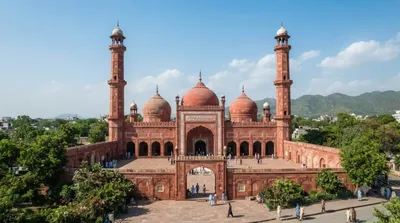
Lal Masjid
Lal Masjid is a historic mosque in Islamabad, built in 1966. It was the city's largest mosque for two decades, until the Faisal Mosque was built.
Heritage & monuments
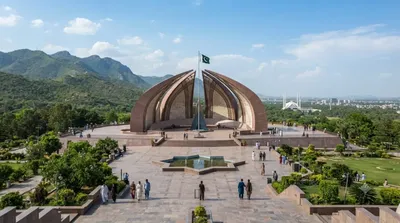
Pakistan Monument
A national monument and heritage museum on Shakarparian Hill in Islamabad. It symbolizes the unity of the Pakistani people and honors those who devoted themselves to their homeland.
Nature
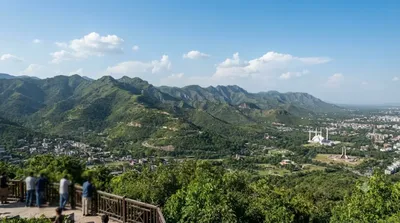
Margalla Hills
These forested hills form the northern boundary of Islamabad, Pakistan, and are part of the Himalayan foothills. Home to diverse flora and fauna, they're a great destination for trekking.
More Islamabad guides
Best value
Where to stay in Islamabad for the best value
5-star & luxury
Where to stay for a luxury experience in Islamabad
Pool villas & resorts
Where to find pool villas and resorts in Islamabad
Family travel
Where to stay in Islamabad for a family trip
Couples & honeymoon
Where to stay in Islamabad for couples and honeymooners
Central & near stations
Where to stay in Islamabad for central access and transport
First-time guide
How to visit Islamabad for the first time: A practical orientation guide
Getting around
How to get around Islamabad, Pakistan
Best time to visit guides for other destinations
Guantánamo
When is the best time to visit Guantánamo, Cuba?
Cetinje
The Best Time to Visit Cetinje: Weather, Crowds, and Season Guide
North Nicosia
When to Visit North Nicosia: Weather, Seasons, and Practical Advice
Banja Luka
The Best Time to Visit Banja Luka for Good Weather and Outdoor Activities