World by City

Museums & galleries

Maironis Lithuanian Literature Museum
Open in Maps
Maironis Lithuanian Literature Museum

Maironis Lithuanian Literature Museum

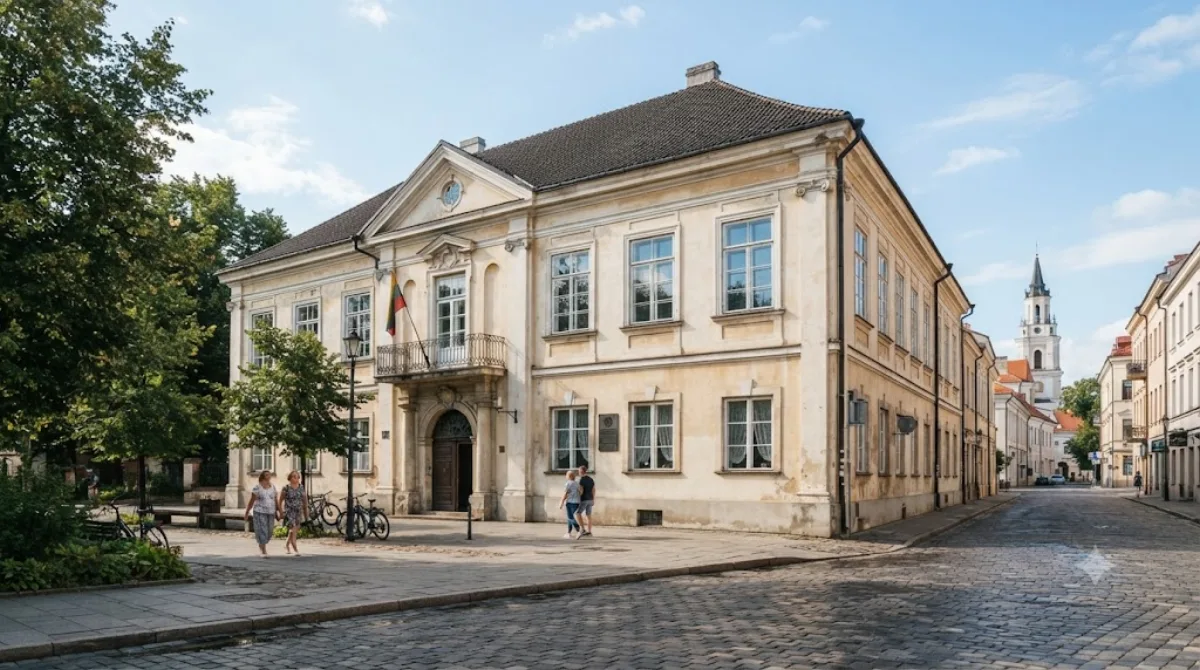
Located within the historic Sirutis Palace, this museum is dedicated to the life and work of the poet Maironis. Visitors can view a recreation of the poet's living quarters, featuring his original furniture and personal belongings. It serves as a site for those interested in Lithuanian literary history and the domestic environment of one of the country's most influential writers.

Getting There

The museum is situated in the Old Town of Kaunas. From the city centre, it is accessible via a short walk or a brief drive, typically taking less than 10 minutes depending on the starting point.

Visit Duration

Most visitors spend approximately 1 to 2 hours exploring the exhibits and the palace interior.

When to Visit

The museum is generally quiet, and crowds are uncommon. Visiting during weekday mornings typically ensures the fewest other visitors. There are no specific seasonal restrictions for visiting the indoor galleries.

Nearby Attractions

Because of its central location, the museum can be combined with several other nearby sites within a short walking distance:

  • Church of St. Francis Xavier (0.1km)
  • Church of St. George (0.2km)
  • Museum of the History of Lithuanian Medicine and Pharmacy (0.2km)
  • Church of Vytautas the Great (0.2km)

Updated September 13, 2026 · Edited by the World by City editors

Tickets & tours

Admission prices and opening hours change often, so we don't list them here. Check what's on sale and at what price below — booking ahead can cut the queue at some places.

This place may not appear in the results — some sites are free to enter or sell tickets only at the gate.

Stays near Maironis Lithuanian Literature Museum

Sorted by distance, walkable ones first. Distances are straight-line.

Map and place data © OpenStreetMap contributors

Maironis Lithuanian Literature Museum Nearby stays

Check prices and availability on the booking sites.

Pick your dates — we'll search Kaunas hotels for you

Choose dates and guests, and the buttons below will open search results with your criteria. Prices differ between sites, so compare before you book.

Hotel membership

Staying at Accor hotels often? ALL Accor+ Explorer

A paid annual membership. It includes two free nights a year across Asia-Pacific, 30% off dining and 15% off drinks, and 15% off stays at more than 4,500 hotels worldwide.

Explore the membership

Good to visit alongside

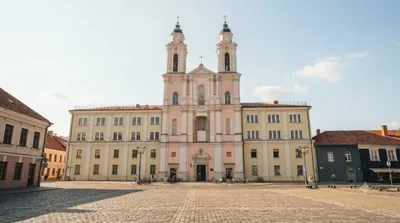
Church of St. Francis Xavier

Temples & religious sites

Church of St. Francis Xavier

A Roman Catholic church in the Old Town of Kaunas, Lithuania. Built by the Jesuits, construction began in 1666 and was completed in 1720.

0.1 km away

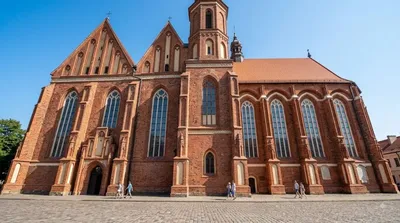
Church of St. George

Temples & religious sites

Church of St. George

A Roman Catholic church standing in front of Kaunas Castle in Kaunas's Old Town. It's regarded as one of Lithuania's leading examples of Gothic architecture, making it a highlight for travelers who love architecture.

0.2 km away

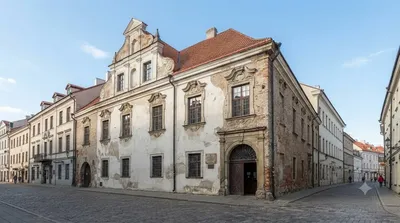
Museum of the History of Lithuanian Medicine and Pharmacy

Museums & galleries

Museum of the History of Lithuanian Medicine and Pharmacy

A museum housed in a restored 16th-century building on Town Hall Square in Kaunas's Old Town. It presents materials tracing the history of medicine and pharmacy.

0.2 km away

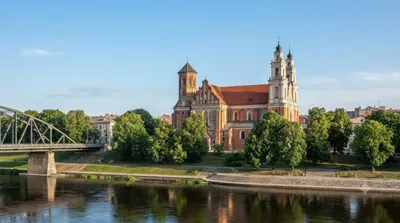
Church of Vytautas the Great, Kaunas

Temples & religious sites

Church of Vytautas the Great, Kaunas

This Roman Catholic church in Kaunas's Old Town is the city's oldest. It holds special value as the only Gothic building in Lithuania with a cross-shaped floor plan.

0.2 km away

Kaunas Castle

Castles & palaces

Kaunas Castle

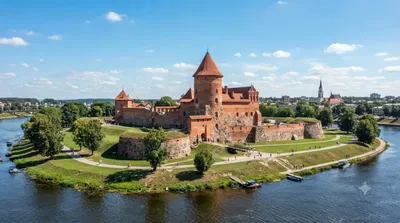
A medieval Gothic castle built where the Nemunas and Neris rivers meet. Only about a third of its original structure remains today, bearing the marks of centuries gone by.

0.3 km away

Kaunas Fortress

Castles & palaces

Kaunas Fortress

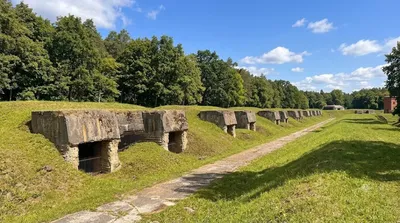
The Kaunas Fortress is a large-scale fortification surviving in Kaunas, Lithuania. Built by the Russian Empire in the late 19th century to defend its western border, it was the region's largest defensive complex during World War I, and its remains can still be explored today.

0.3 km away