
La Paz · Getting around
How to Get Around La Paz: Cable Cars, Buses, and Airport Transfers
August 29, 2026 · last updated · about 3 min read
Key Transport Modes
- Mi Teleférico: The aerial cable car network is the best way to travel between the central valley (Centro, Sopocachi, Zona Sur) and El Alto, gliding over street gridlock.
- PumaKatari Buses: Modern municipal buses with fixed stops. They offer a comfortable, orderly ride along main corridors.
- Minibuses and Trufis: Shared vans with windshield destination cards. They run ubiquitous routes and stop on demand, but are cramped.
- Radio Taxis: Best for late-night travel or steep climbs. Use official radio taxi fleets or app bookings rather than unmarked cars.
Tickets and Fares
Transport is not unified. Mi Teleférico offers rechargeable smart cards that avoid ticket lines, though single tickets suit occasional riders. Minibuses require exact cash paid to the driver. PumaKatari operates on its own card or cash ticket system.
Airport to City Connections
- Official Airport Taxis: Lowest effort, highest cost band. Direct ride to central districts via the highway in 30 to 60 minutes.
- Shared Minibuses: Lowest cost band, high effort. Frequent runs to central hubs like Plaza San Francisco, but unsuitable for large bags.
- Cable Car Link: A short taxi to an El Alto cable car station avoids highway traffic, but transfers require moderate effort with luggage.
Practical Tips
Rush hours choke the Autopista and El Prado on weekday mornings and evenings. Cable cars operate continuously until late evening, while minibuses become scarce late at night. At 3,600 meters, walking steep grades causes rapid fatigue; rely on cable cars and station elevators to save breath.
Pick your dates — we'll search La Paz hotels for you
Choose dates and guests, and the buttons below will open search results with your criteria. Prices differ between sites, so compare before you book.
 View on Booking.com
 View on Hotels.com
Things to see in La Paz
See all →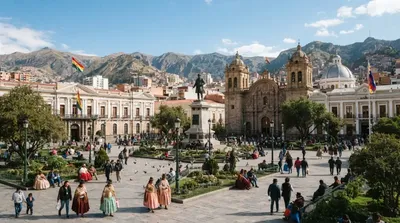
Parks & gardens
Plaza Murillo
This central square sits in the heart of La Paz's old town and serves as the stage of Bolivian politics. Surrounded by major landmarks such as the Presidential Palace, the Legislative Assembly, and the cathedral, it lets visitors take in the city's history all at once.
Temples & religious sites
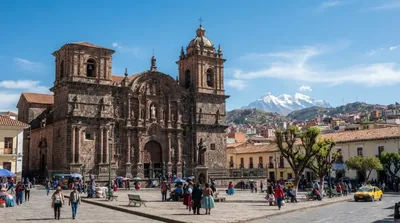
Basilica of San Francisco, La Paz, Bolivia
A Catholic church at Plaza San Francisco in the heart of downtown La Paz. Dedicated to Saint Francis of Assisi, it is one of the city's landmark sights.
Temples & religious sites
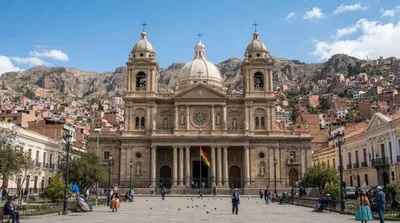
Cathedral Basilica of Our Lady of Peace, La Paz
A cathedral located on Plaza Murillo in La Paz, built in 1835 in a neoclassical style with Baroque elements. Its interior is divided into five naves, creating a grand sense of space.

Castles & palaces
Palacio Quemado
The Palacio Quemado, located on Plaza Murillo in central La Paz, served as the presidential residence from 1853 to 2018. With La Paz Cathedral and the National Congress nearby, it's a fine stop on a historic walk through the city center.
More La Paz guides
Best value
Where to Stay in La Paz for the Best Value
5-star & luxury
Where to stay in La Paz for luxury accommodations and altitude comfort
Pool villas & resorts
Where to Stay in La Paz for Resorts and Pool Villas
Family travel
Where to stay in La Paz with family: best areas and practical booking advice
Couples & honeymoon
Where to stay in La Paz for a couples trip or honeymoon
Central & near stations
Where to stay in La Paz for central access and cable car stations
Best time to visit
When Is the Best Time to Visit La Paz, Bolivia?
First-time guide
How to Plan Your First Trip to La Paz: Districts, Altitude, and Transit
Getting around guides for other destinations
Guantánamo
How to Get Around Guantánamo and Travel from Antonio Maceo Airport
Cetinje
How to Get Around Cetinje and Travel from Podgorica Airport
North Nicosia
How to get around North Nicosia and travel from Larnaca Airport
Cienfuegos
How to get around Cienfuegos: transport options and airport transfers