
Monaco · First-time guide
First-Timer Guide to Monaco: How to Get Around, What to See, and Common Mistakes to Avoid
August 29, 2026 · last updated · about 3 min read
How Monaco Is Laid Out
Monaco is built into steep coastal cliffs. Navigating it requires thinking in vertical tiers rather than flat walking blocks across its core quarters:
- Monaco-Ville (The Rock): The historic promontory holding the Prince's Palace and narrow medieval alleys.
- La Condamine: The central harbor area around Port Hercule with pedestrian markets.
- Monte Carlo: The elevated plateau famous for its grand casino and luxury boutiques.
- Fontvieille and Larvotto: Modern reclaimed marina land to the southwest, and the beach district to the northeast.
Getting In and Getting Around
From Nice Côte d'Azur Airport (NCE), take the direct express coach or transfer to the regional rail line for the coastal train into Monaco-Monte-Carlo station. The train station is built deep underground with exits leading to different elevations.
On foot, do not tackle the cliffs directly. Monaco maintains a public network of free elevators, escalators, and tunnels that connect low-lying harbors to high cliff terraces. Urban buses also connect every quarter cleanly.
Common First-Timer Mistakes
The most frequent error is walking up steep vehicle switchbacks. Look for signs pointing to public elevators (ascenseurs publics) instead. Another mistake is driving; traffic jams are chronic and parking is scarce. Arrive by train, wear comfortable shoes, and carry a physical passport if you plan to enter the casino gaming rooms.
A Sensible First Trip Sequence
Start your day on The Rock to see the changing of the guard and harbor views before tour groups arrive. Walk down through the ramparts into La Condamine for lunch near the port. In the afternoon, take a public lift up to Monte Carlo to tour the casino plaza. Outlying spots like Larvotto Beach can wait for a second day.
Pick your dates — we'll search Monaco hotels for you
Choose dates and guests, and the buttons below will open search results with your criteria. Prices differ between sites, so compare before you book.
 View on Booking.com
 View on Hotels.com
Things to see in Monaco
See all →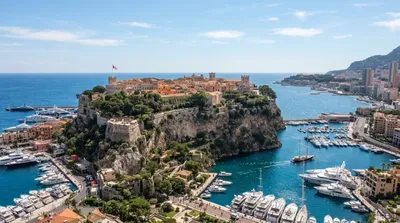
Shopping & districts
Monaco-Ville
Monaco-Ville is the heart of Monaco, perched on a rocky headland facing the Mediterranean. Major sights like the Prince's Palace, the Cathedral, and the Oceanographic Museum are clustered here, making it easy to explore on foot.
Shopping & districts
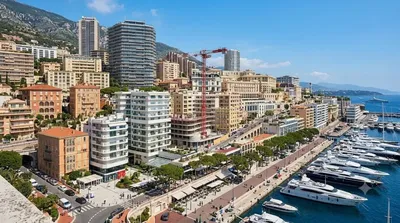
La Condamine
La Condamine is a district along the Mediterranean coast, between Monte Carlo and Monaco-Ville. As a commercial hub home to Port Hercules, Monaco's largest harbor, it offers lovely views of yachts lined up at anchor.
Shopping & districts
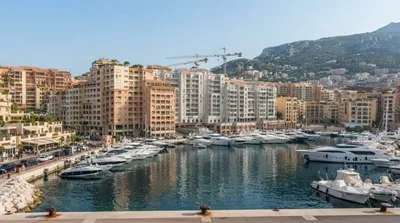
Fontvieille
Fontvieille is a district on Monaco's southwestern Mediterranean coast, home to Stade Louis II, the stadium of AS Monaco. It also serves as a transport hub, with a heliport connecting to Nice Airport.
Museums & galleries
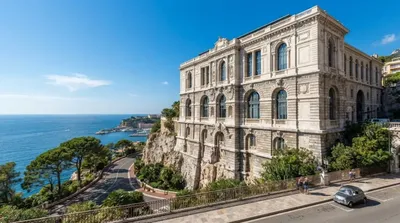
Musée océanographique de Monaco
An oceanographic museum located in Monaco-Ville, Monaco. It offers a variety of exhibits related to the sea.
More Monaco guides
Best value
Where to Stay in Monaco for the Best Value
5-star & luxury
Where to Stay in Monaco for a Luxury Five-Star Experience
Pool villas & resorts
Where to stay in Monaco for resorts and pool suites
Family travel
Where to Stay in Monaco with Family: Best Areas and Practical Advice
Couples & honeymoon
Where to stay in Monaco for a romantic couple or honeymoon trip
Central & near stations
Where to Stay in Monaco Near the Train Station and Central Sights
Best time to visit
When Is the Best Time of Year to Visit Monaco?
Getting around
How to get around Monaco: Local buses, public elevators, and airport transfers
First-time guide guides for other destinations
Guantánamo
First-Timer Guide to Guantánamo, Cuba: Layout, Transport, and Practical Tips
Cetinje
How to Plan Your First Trip to Cetinje: Layout, Transport, and Key Sights
North Nicosia
First-timer's guide to visiting North Nicosia: borders, layout, and transit
Cienfuegos
First-Timer Guide to Cienfuegos: Layout, Transport, and Practical Tips