Shopping & districts
Kamagasaki
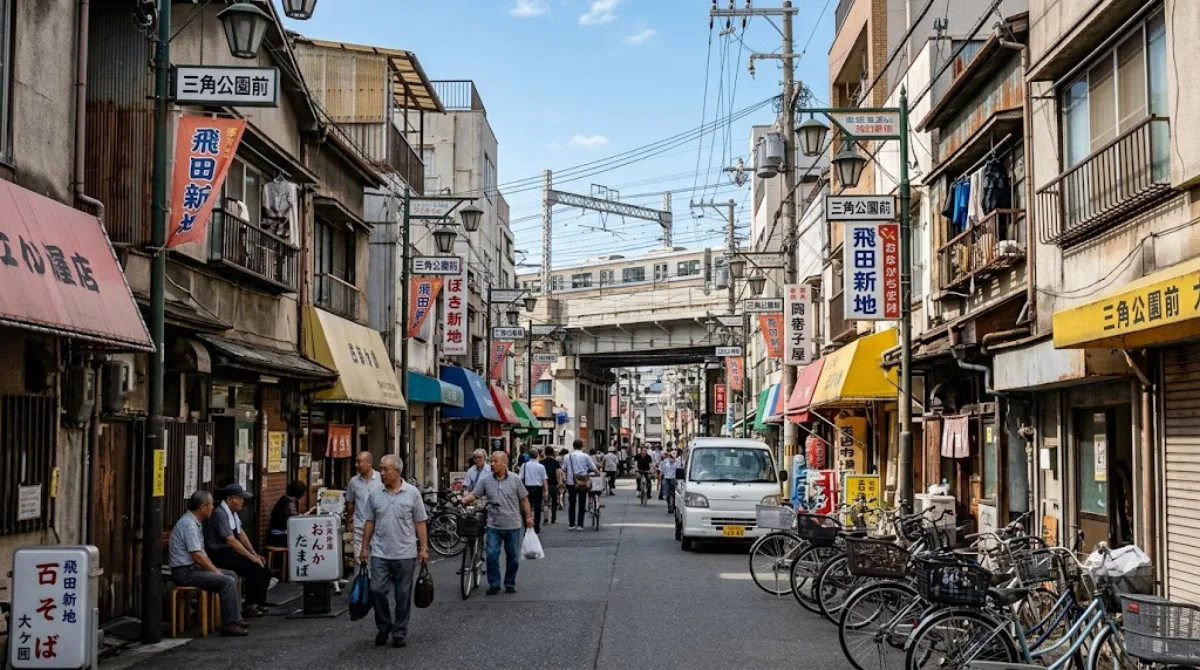
What Kamagasaki is
Kamagasaki is a working-class district within Nishinari-ku, historically known as Japan's largest concentration of day laborers, many of whom found work at construction sites and public works projects around Osaka. The area still has visible traces of this history: cheap lodging houses (doya), simple diners, day-labor employment offices, and street-level shops catering to a resident population rather than tourists. Some visitors come out of interest in this social history and in a side of urban Japan rarely shown in guidebooks, but this is not a curated sightseeing spot, and parts of it have long had a reputation for poverty and rough conditions.
Getting there
Kamagasaki sits just south of Shin-Imamiya and Dobutsuen-mae stations, both reachable from central Osaka (Umeda/Osaka Station) in roughly 15-20 minutes by JR or subway. From Namba, it's about 10 minutes on the Midosuji subway line to Dobutsuen-mae.
Time to allow
An hour or so is enough to walk through the main streets and get a sense of the area. There isn't a defined sightseeing route or set of attractions to work through.
When to go
Daytime visits are advisable; the atmosphere changes after dark and the area is less comfortable for casual walking at night. As with any low-income urban district, it's worth being attentive to your surroundings and respectful that this is someone's neighborhood, not a tourist attraction. Photographing residents without consent is best avoided.
Combining with nearby sights
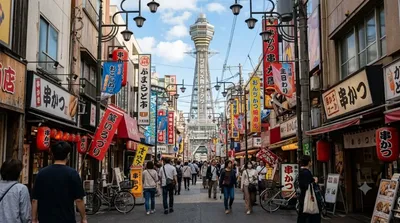
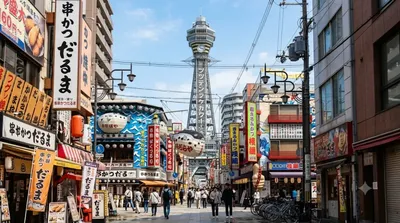
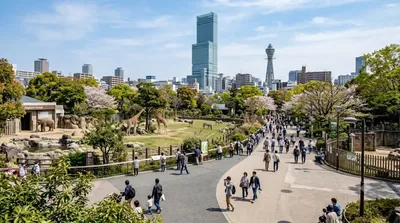
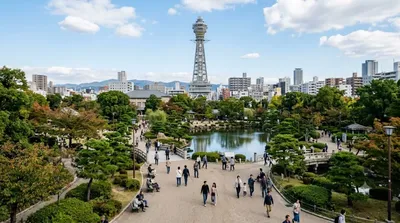
Kamagasaki borders Shinsekai (0.6km) and its landmark tower Tsūtenkaku (0.6km), both far more geared toward visitors with retro arcades, kushikatsu restaurants, and observation decks. Tennōji Zoo and Tennōji Park (both 0.8km) are also within easy walking distance, making it simple to pair a brief walk through Kamagasaki with a more conventional afternoon in Tennōji.
Updated September 20, 2026 · Edited by the World by City editors
 GetYourGuide
 Klook
Klook
 Tiqets
 KKday
KKday
 WeGoTrip
 Booking.com
 Hotels.com