
Oslo · Getting around
How to use public transport and get around Oslo
August 29, 2026 · last updated · about 3 min read
Modes of Transport
Oslo uses a highly integrated system where one ticket covers all modes. The most effective options are:
- T-bane (Metro): The fastest way to cross the city. It is the primary choice for reaching the Holmenkollen area or moving between the city center and residential suburbs.
- Trams and Buses: Best for short-distance hops and reaching specific museums or the waterfront. Trams are more frequent in the central core.
- Ferries: Essential for visiting the islands in the Oslofjord. These are integrated into the public transport network.
Tickets and Passes
Tickets are purchased via the Ruter app or at kiosks. Single tickets are suitable for occasional travelers. 24-hour or 7-day passes are worth considering for those planning multiple trips per day. These passes do not suit travelers who primarily explore the city center on foot, as the core is compact and walkable.
From Oslo Airport (OSL) to City Center
There are two primary rail options to reach the center:
- Flytoget (Airport Express): Prioritizes speed and frequency. It is the lowest-effort option with dedicated luggage space.
- Vy (Regional Trains): Takes roughly the same time as the express but is in a lower cost band. It requires slightly more navigation as it serves multiple stops.
Practical Notes
- Rush Hours: Expect crowding on the T-bane and main bus routes during morning and evening commutes.
- Last Services: Most transport runs late, but frequency drops significantly after midnight. Check the Ruter app for real-time schedules.
- Accessibility: Most T-bane stations and buses are equipped with ramps and elevators, making the city highly accessible for strollers and wheelchairs.
- Luggage: Large suitcases are permitted on all trains and buses, though space is limited during peak hours.
Pick your dates — we'll search Oslo hotels for you
Choose dates and guests, and the buttons below will open search results with your criteria. Prices differ between sites, so compare before you book.
 View on Booking.com
 View on Hotels.com
Things to see in Oslo
See all →
Culture & venues
Oslo Opera House
The Oslo Opera House is a performance venue in Bjørvika near the Oslofjord, home to the Norwegian National Opera and Ballet. Its striking architecture makes it one of Oslo's iconic cultural landmarks.
Museums & galleries
Munch Museum
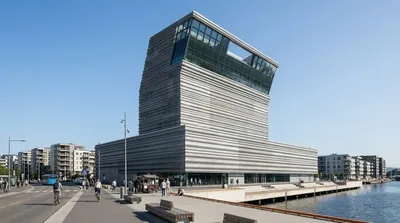
The Munch Museum, located in Bjørvika, Oslo, showcases the life and work of the painter Edvard Munch. It's ideal for travelers who want to view his signature works up close.
Museums & galleries
Akershus Fortress
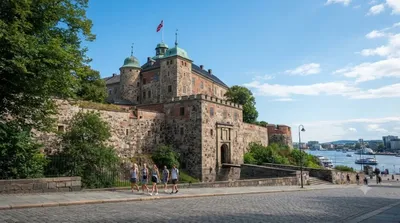
This medieval fortress sits on the shore of the Oslofjord, built to defend the city and serve as a royal residence. Walking along its walls, you can take in both fjord views and the atmosphere of an old stronghold.
Castles & palaces
Royal Palace, Oslo
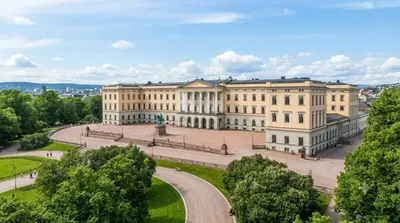
The Royal Palace in Oslo was built in the early 19th century and still serves as the official residence of the Norwegian king. Strolling past its grounds, visitors can take in the atmosphere of the royal family.
More Oslo guides
Best value
Where to stay in Oslo for the best value
5-star & luxury
Where to stay in Oslo for a luxury experience
Pool villas & resorts
How to choose a pool villa or resort stay in Oslo
Family travel
Where to stay in Oslo for a family trip
Couples & honeymoon
Where to stay in Oslo for a romantic couple's getaway
Central & near stations
Where to stay in Oslo for easy access to transport and city center
Best time to visit
When is the best time to visit Oslo, Norway?
First-time guide
How to plan your first visit to Oslo, Norway
Getting around guides for other destinations
Guantánamo
How to Get Around Guantánamo and Travel from Antonio Maceo Airport
Cetinje
How to Get Around Cetinje and Travel from Podgorica Airport
North Nicosia
How to get around North Nicosia and travel from Larnaca Airport
Cienfuegos
How to get around Cienfuegos: transport options and airport transfers